

Barley, oats sustainability quantified by study
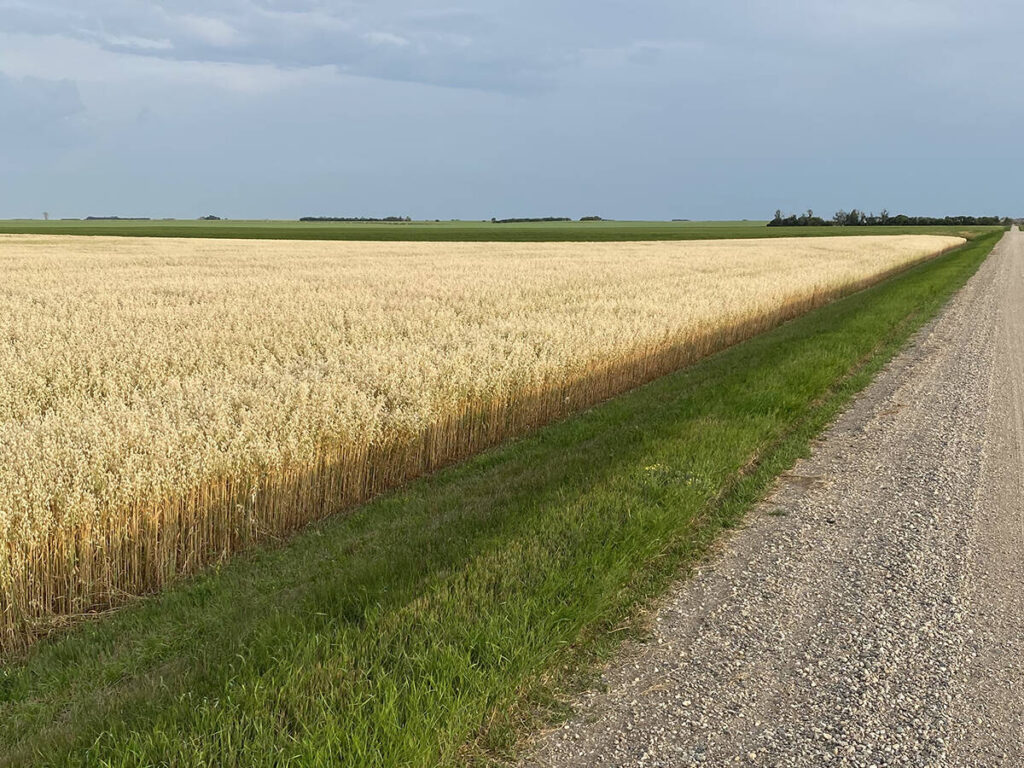
REGINA — A new study from the Global Institute for Food Security has found the carbon footprint of oats and barley grown in Saskatchewan is lower than the same crops grown elsewhere.
The data is similar to that released last year for canola, wheat, durum, peas and lentils.
It shows that one tonne of oats produced in Saskatchewan has a carbon footprint 201 per cent lower than that produced across the country. Western Canadian production is 96 per cent lower than the Canadian number.
Read Also

French TV show focuses on desiccants
Crew from a French TV show that focuses on environmental issues will be in Saskatchewan this summer taking video offarmers spraying desiccants on pulse crops as part of an upcoming episode looking at the pros and cons of using desiccants.
Competing countries are much higher than Canada overall, at 920 per cent for Australia, 1,898 per cent for Finland, 685 per cent for Poland and 884 per cent for Sweden.
Barley produced in Saskatchewan is 117 per cent lower than the Canadian footprint, while western Canadian barley is 37 per cent lower.
In comparison, Australia’s footprint is 408 per cent higher than Canada and France is 352 per cent higher.
The study points to the sustainability of crops grown in the province and western Canada, GIFS said.

Source: producer.com