
Brian Minter: Late fall vegetable gardens can deliver a great bounty
When an abundance of food is growing in our summer gardens and garden markets are stocked with a wide variety of vegetables, we should be thinking ahead to fall and winter when there is less availability and prices are higher. Food gardening is becoming incredibly innovative, and as our traditional summer gardens wind down, a new series of food options, that can be enjoyed in fall and winter, opens up. (As an added bonus, at this time of the year, there are far fewer weeds and insects, and the need for watering is minimal). Depending on the weather, fall-maturing vegetables could last well into winter.
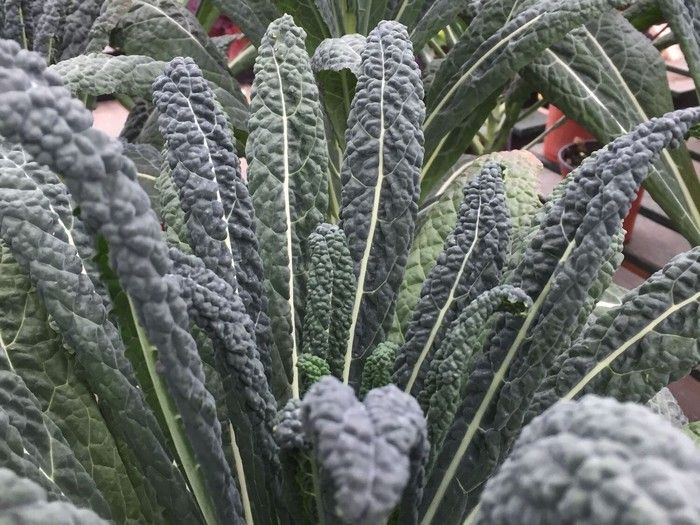
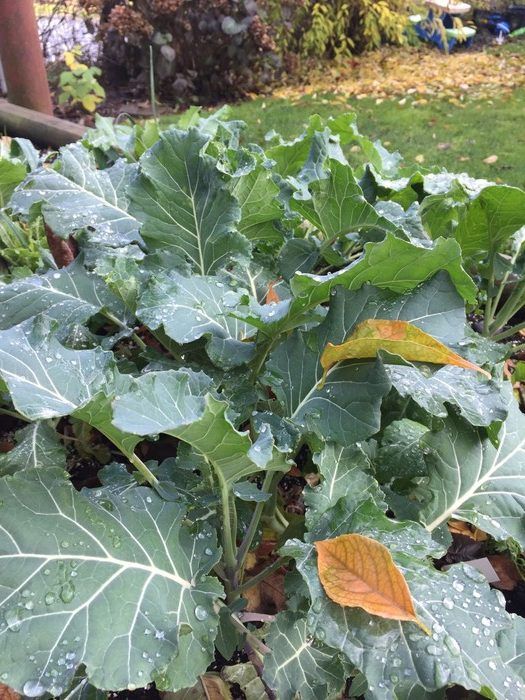
Mid to late July plantings of root crops, like carrots, beets, turnips and parsnips, can result in a remarkable amount of produce in October. Late brassicas, like brussels sprouts, cabbage, broccoli and cauliflower, are also ideal for October and November harvests, and hardy Siberian kale will tolerate most of our coldest winters.
The ever-increasing selection of hardy winter vegetables, planted in late August and September, can produce a continuous supply of lettuce, spinach, beet greens and swiss chard. Winter brassicas, like Deadon cabbage, Walcheren cauliflower and Red Spear broccoli, if planted in September, will be ready for a late February or March harvest. A covering of N-Sulate fabric, with its frost rating of ten degrees Celsius, can protect crops during times of heavier frost and snow.
If you can create a storage area that is cool and frost free, such as an insulated garden shed or garage, many vegetables, like squash and onions, can be kept for months and be enjoyed all winter into spring. If you have a small greenhouse, even without heat, you can grow smaller pots of lettuce, chard, spinach and other leafy greens. Everbearing strawberries, too, can be kept there all winter. Even now, these varieties of strawberries are producing new flowers and berries.
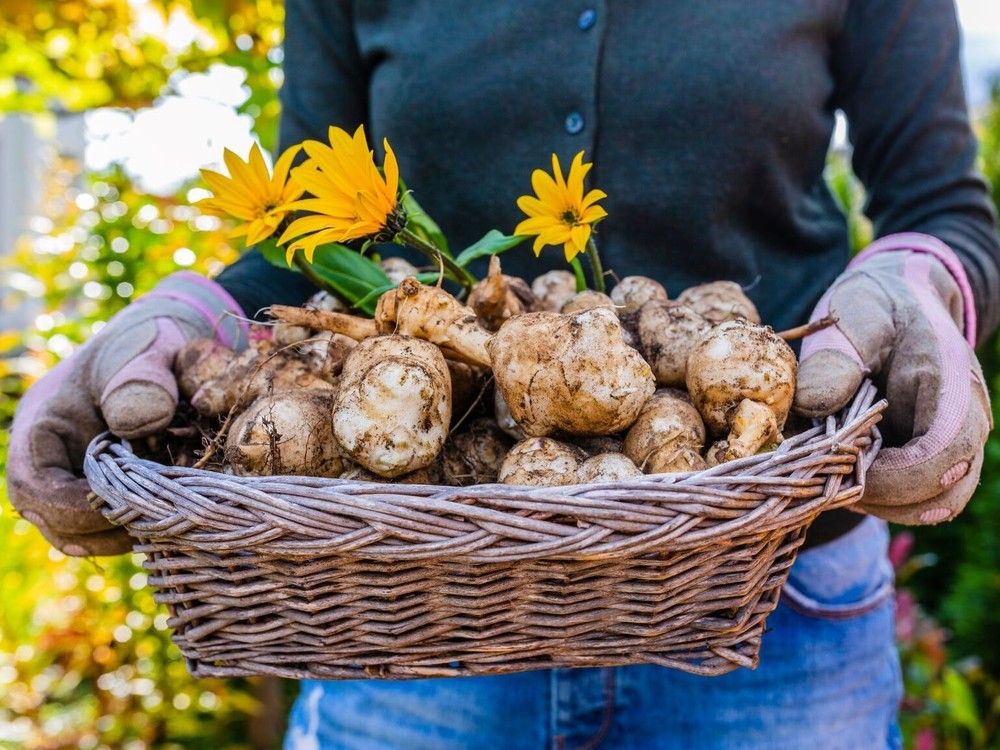
Outdoor perennial vegetables, like rhubarb, horseradish and Jerusalem artichokes, can stay in place all winter, and Jerusalem artichokes can be harvested until spring. If you need a little hot spice in your cooking, the horseradish in your winter garden will provide some kick.
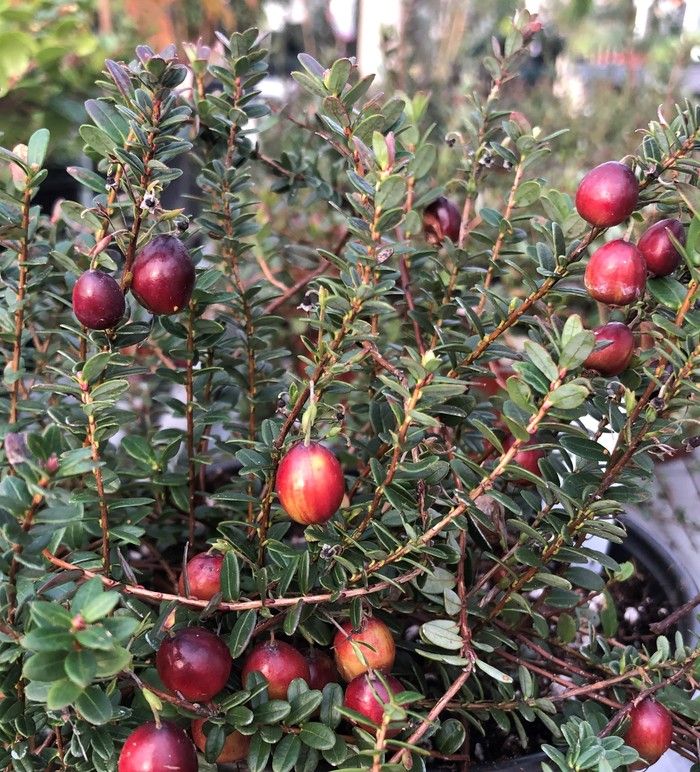
There is a perception that cranberries have to be grown in a bog, but that’s not true. They make a wonderful, year-round, evergreen ground cover, and at this time of the year, they are loaded with beautiful dark red berries. After one or two frosts, the berries become sweeter. Cranberries can fit nicely into almost any garden.
Other vacciniums, like lingonberries and evergreen huckleberries, also produce berries that can be enjoyed over winter. Their small but delicious black or red berries are incredibly high in antioxidants. These berries are very popular in Europe as a dessert berry or for sauces and jams. They are also attractive looking plants that will add value to your landscape.
Honeyberries are some of the earliest edible small fruits. The best varieties I have found are Proven Winners yezberries. Both the Solo and the Maxie varieties have the cleanest foliage and largest berries. Solo, one of the first self-fertile varieties, ripens in June.
We all have our favourite fruits, like apples and pears, but as I drive through many neighbourhoods, I’m always surprised to see the number of apples and pears just left fallen on the ground and not being used. There are late or winter varieties that ripen when there is little other fruit around. Apple varieties, such as Pink Lady, Northern Spy and Winesap, ripen in late October and November. Sweet winter pears, like Bosc and Comice, are also very late to ripen.
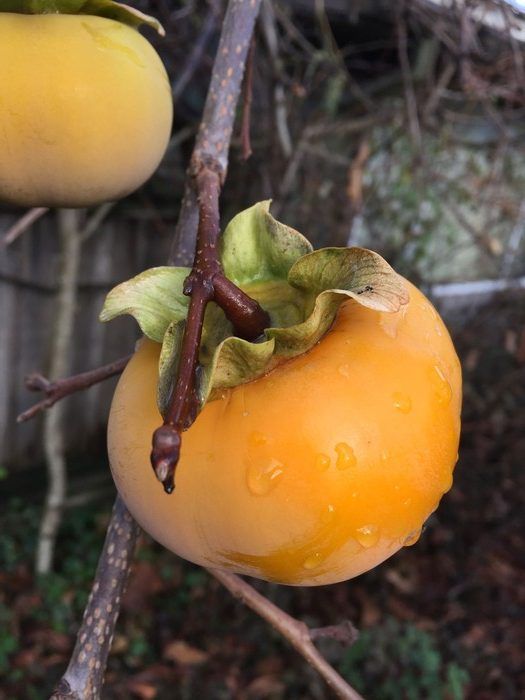
If you love Asian persimmons and have a very hot, sunny location to grow them, they ripen in mid-November and are a real gourmet delight. I love the Fuyu and Izu varieties as they are self-fertile and a good size.
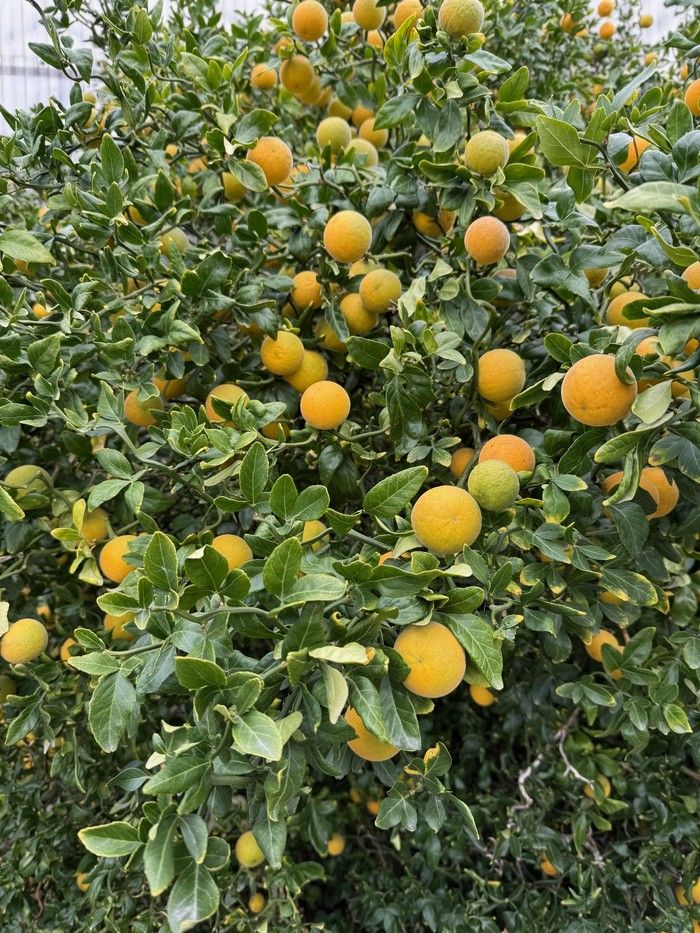
There is also a hardy citrus called Poncirus, that may interest you. This hardy bitter orange grows up to 4.5 metres (15 feet) tall and produces golf ball size yellow fruits which taste bitter but are ideal for any citrus recipe. Poncirus Flying Dragon is a well-known zone 5 variety, but it needs a hot, sunny location to perform at its best. A few days ago, in the eastern Valley, I saw some three metre (10 feet) sized poncirus shrubs that were loaded with fruit.
Perennial herbs are much hardier than most of us realize. The most flavourful Italian or plain leaf parsley, which is so valuable for flavouring many dishes, is hardy to zone 6. Curled leaf parsleys are even more cold tolerant, being rated hardy to zone 5. Parsley does well in containers and combines nicely with many other herbs. The main varieties of marjoram and oregano are also rated hardy to zone 5, making them ideal outdoor winter herbs. All the thyme varieties have either a zone 4 or zone 5 hardiness. They all have a nice spillover effect when planted in containers.
Salvia officinalis is a sage that, although a little more tender, also has a zone 5 or zone 6 hardiness rating. Although it will need some protection during colder weather, it should still be included in most herb containers.
Rosemary is, by far, the most popular herb, and Arp is the hardiest variety. With a zone 7 rating, it is somewhat more tender. All rosemary is fine outdoors until we get close to frost. They don’t do well indoors over winter, but, if placed inside by a cool window for a few days, they should be fine.
With a little creativity and the willingness to adjust the varieties of vegetables, perennials and trees you grow, you can greatly expand the harvest season of your garden. In today’s uncertain times, it might be a wise thing to do.
Related
Source: vancouversun.com