Connecting the dots in Alberta’s food economy
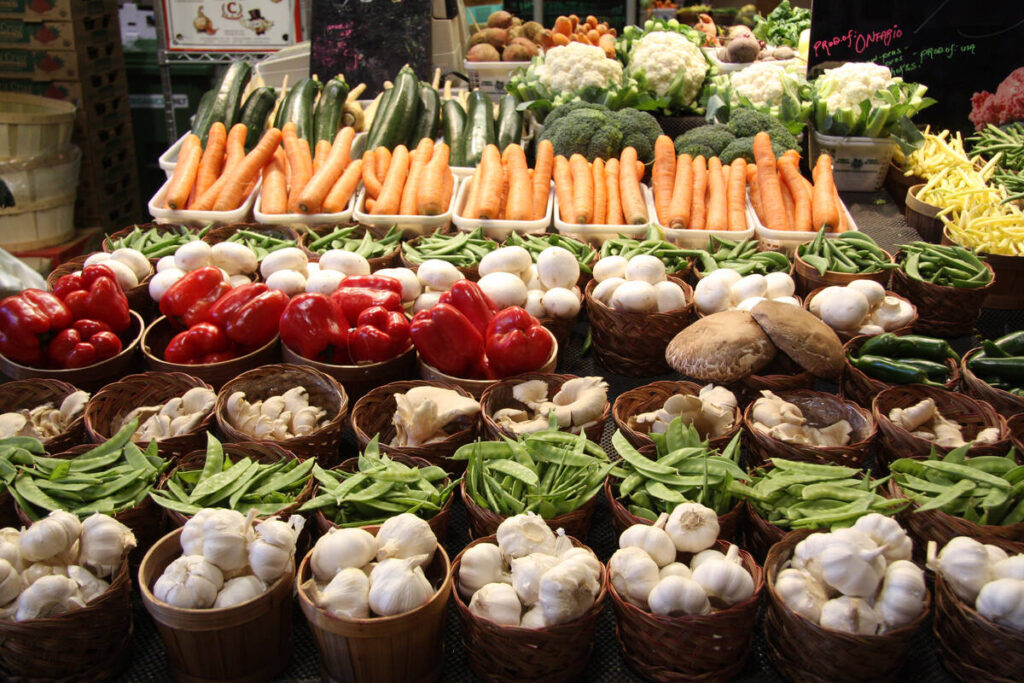
Alberta is an agricultural province, yet most of what we eat isn’t grown here.
While we export vast amounts of beef, grains and oilseeds, the supply of locally produced food available to Albertans remains limited.
The Connect for Food initiative aims to change that by improving the links between local producers, processors and buyers so that more Alberta-grown food ends up on Alberta tables.
Read Also
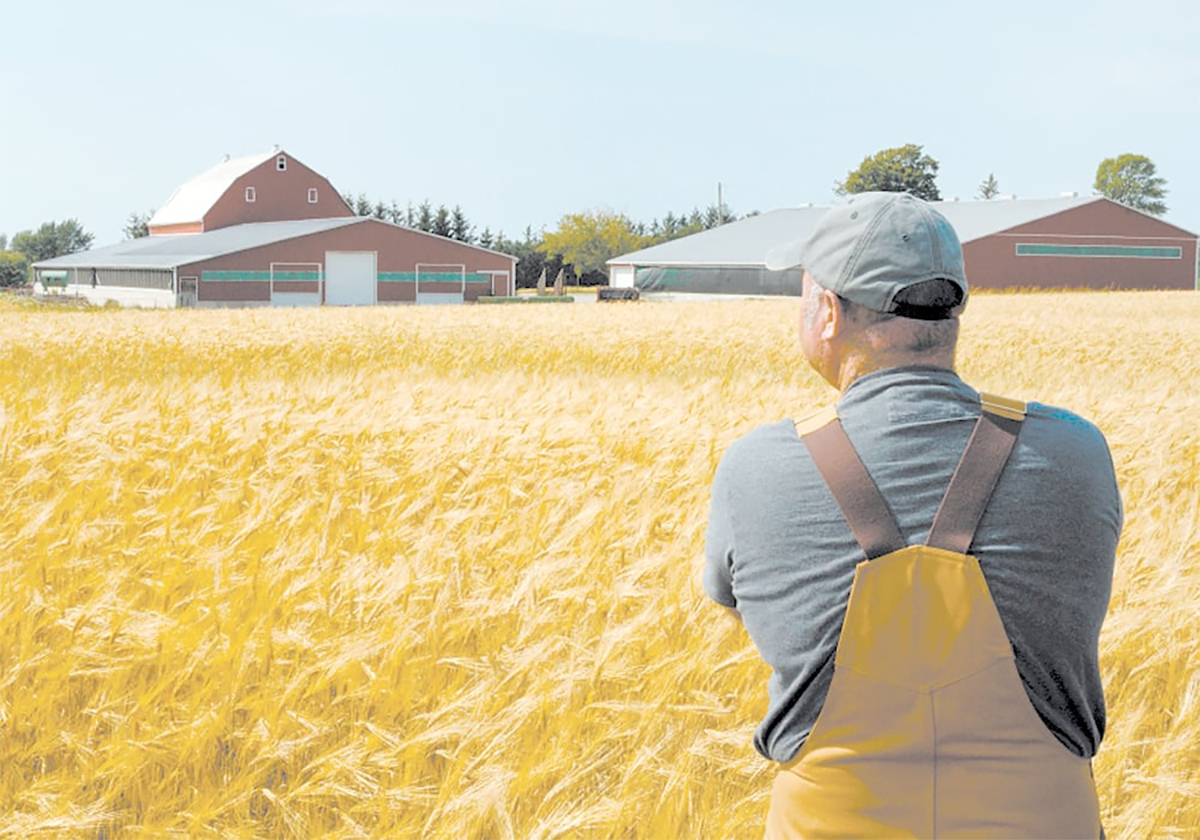
Put farm jealousy aside and focus on your own operation
If you’re completely fixated on how many acres you farm, the size of your equipment and your net worth, life may be passing you by.
Strathcona County, through its Agriculture and Food Sector Development Strategy released last year, has embraced this vision and hosted the 2025 Agrifood Connector event earlier this fall in Sherwood Park.
The challenge isn’t a lack of demand — Albertans want to buy local — but a lack of regional-scale supply.
Many farmers who would like to grow for local markets face barriers such as limited processing options, weak distribution networks and fragmented buyer relationships.
The 2025 Agrifood Connector was designed to bring together everyone along the value chain, from growers and processors to retailers, chefs and institutions, to identify how to close those gaps and build a more robust regional food economy.
Connect for Food is advancing work that has been underway for more than a decade.
Grounded research by the Explore Local Initiative and collaborative efforts such as the Alberta Regional Food Systems Forum in 2017 and the Alberta Flavour Learning Lab laid important groundwork before the pandemic.
Iteration after iteration of local-focused food sector initiatives have developed, and unfortunately often “die on the vine,” such as the Dine Alberta initiative from the 2000s.
However, the value of working in this area is evident: a 2011 networking event called Meet Your Maker, also held in Sherwood Park, generated an estimated $900,000 in local food transactions within a year.
Today, programs such as Made in Alberta and Alberta on the Plate continue to raise awareness of Alberta-based products, though “local” doesn’t always mean “grown here.”
Connect for Food’s initial project (2022–24) engaged a cross-section of the food economy in east-central Alberta, sparking connections among producers, food businesses and local leaders.
A spring roundtable in Ardrossan, Alta., helped shape the recent Connector event, drawing out shared vision for a resilient food system in Strathcona County and beyond.
Even within an industrialized food system that is endlessly individualizing, Albertans show a real appetite for co-operation and values-based approaches that embed wealth locally.
Importantly, Connect for Food’s focus is not on boutique or niche products. It’s about making locally produced food accessible and affordable for the people who live here, while keeping more of the food dollar circulating in Alberta communities.
Opportunity is within our skill set, market demand and climatic conditions.
Via the “grow what we eat, eat what we grow” principle, Connect for Food emphasizes that better match-making in the food value chain leads not only to economic returns for farmers and sellers but also to stronger social connections and community resilience.
This op ed was submitted by Cara Shan on behalf of Connect for Food.

Source: producer.com