
Russian oilseeds make gains as wheat stagnates
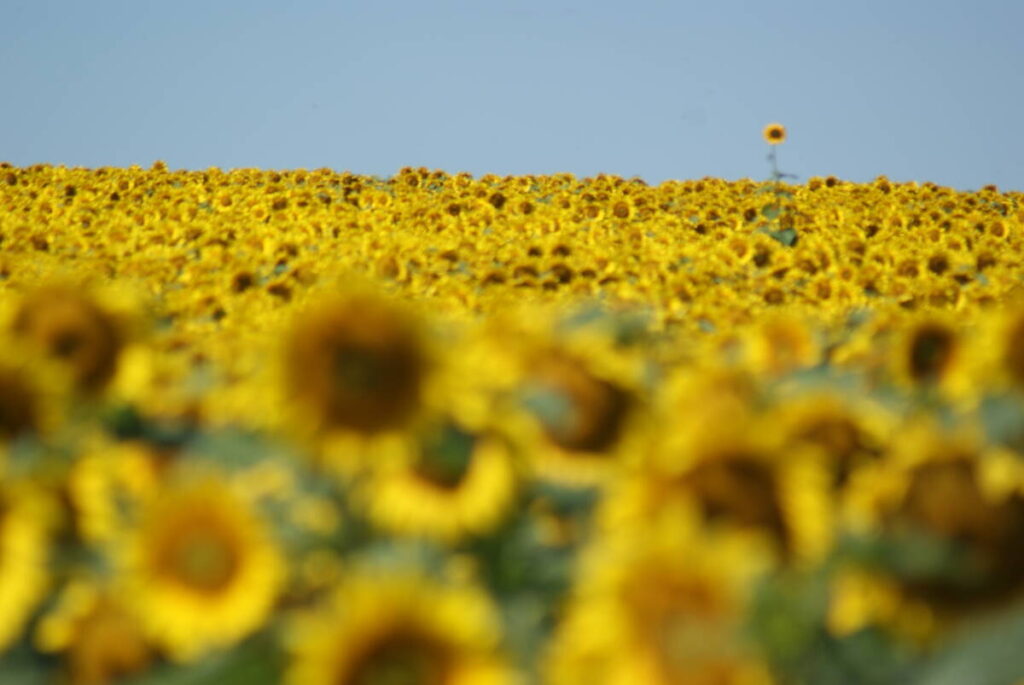
SASKATOON — Russia’s crop mix is changing, says an analyst.
Wheat acres appear to have stagnated, while oilseed plantings are steadily climbing.
Angelika Melikian, senior editorial analyst for agriculture with Argus Media, put up a graph during a recent webinar showing that while wheat is still the dominant crop, the gap is steadily narrowing due to the rise in oilseed plantings.
Read Also
India’s pulse self-sufficiency goal will prove difficult
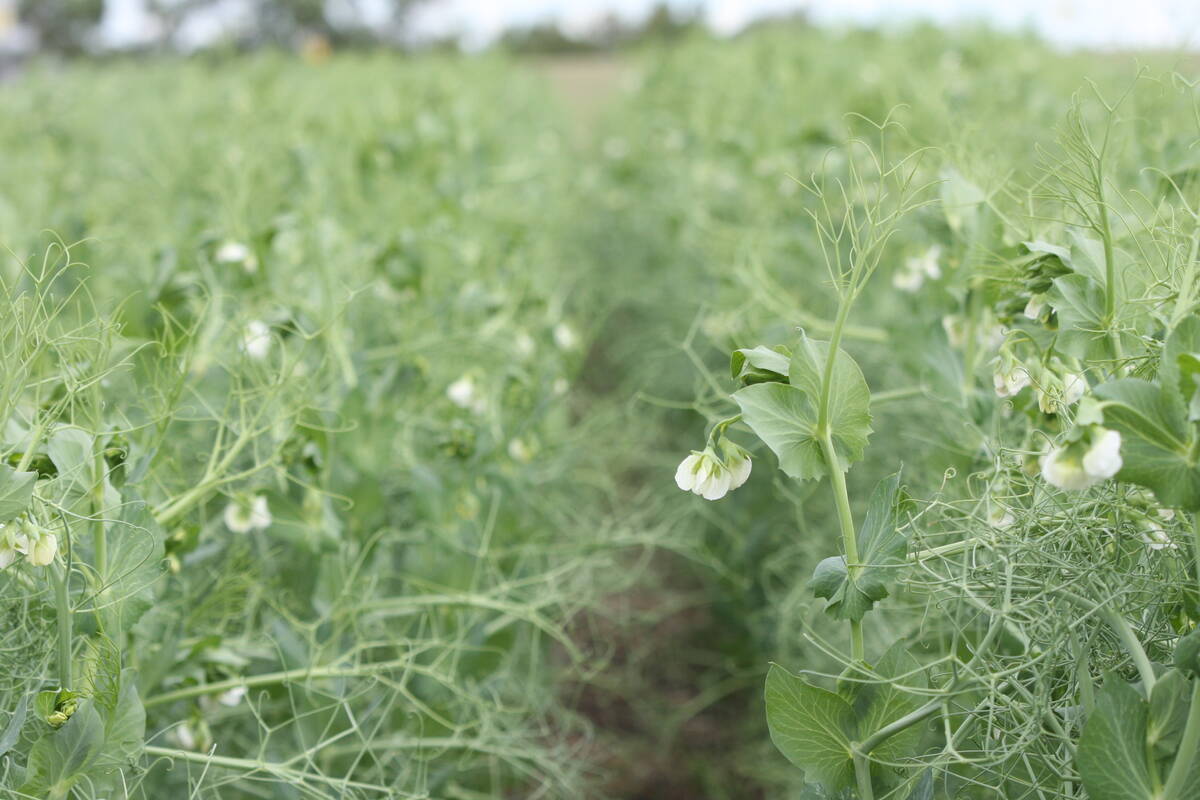
Canada’s pulse industry is reeling from Chinese and Indian tariffs and also word from the latter that in a few years it won’t need imports from Canada or anywhere else.
Russian farmers harvested 65.46 million acres of wheat in 2025-26, up from 63.18 million acres a decade ago, a four per cent increase.
Meanwhile, growers harvested 44.95 million acres of sunflowerseed, soybeans and rapeseed, up from 23.3 million acres 10 years ago, a 93 per cent increase.
Why it Matters: Russia is one of Canada’s main competitors in the wheat market.
The graph reflects what Argus has seen on the ground and heard from Russian producers since it started conducting field tours in that country in 2016.
“When I talk to Russian farmers about profitability, I get similar feedback — there’s zero profitability for wheat this year,” she said.
Sunflower and rapeseed fields that had drought conditions are experiencing losses, but fields with average yields will generate good profits this year.
Sergey Pluzhnikov, chief executive officer of Russian Pulses Analytics, has also witnessed rotations shifting to more marginal crops.
“Over the past few years, we have seen an increase in the processing of oilseeds and the launch of new oil processing facilities,” he said in a text message.
Sunflowers, soybeans, rapeseed, flax and safflower have taken a more prominent role in crop rotations across the country due to growing demand.
“As in any market, there are adjustments and falls, but the trend towards the growth of oilseeds is visible,” he said.
Pluzhnikov doesn’t see it as a replacement of wheat, but rather a rebalancing of acres. As well, he noted that a decrease in planting doesn’t necessarily mean reduced production of the crop.
He sees the rise of oilseed production in the country as a natural evolution.
“Farming is a living organism that simply has to test hypotheses and look for new solutions,” he said.
“This is why Russia is a leader in the export of many crops, and we have yet to master and explore some markets.”
Melikian said things really began to shift in June 2021 when the government introduced floating export taxes for wheat, barley and corn.
“Farmers have been earning less with grain in recent seasons compared to the time before COVID, and this is reflected in the area sown under wheat,” she said.
“Lower production margins for wheat, barley and corn in the European part of Russia should continue to prompt farmers to opt for oilseeds and pulses where possible.”
Argus is forecasting stable wheat area in 2026-27 with a slight decrease in winter wheat planting in the southern Volga and Central regions offset by an increase in spring wheat planting.
Production is pegged at 86.9 million tonnes, down from this year’s 88.4 million, but total supply will be up slightly due to higher carry-in levels.

Source: producer.com