
Steps rural residents can take to help prevent rural crime
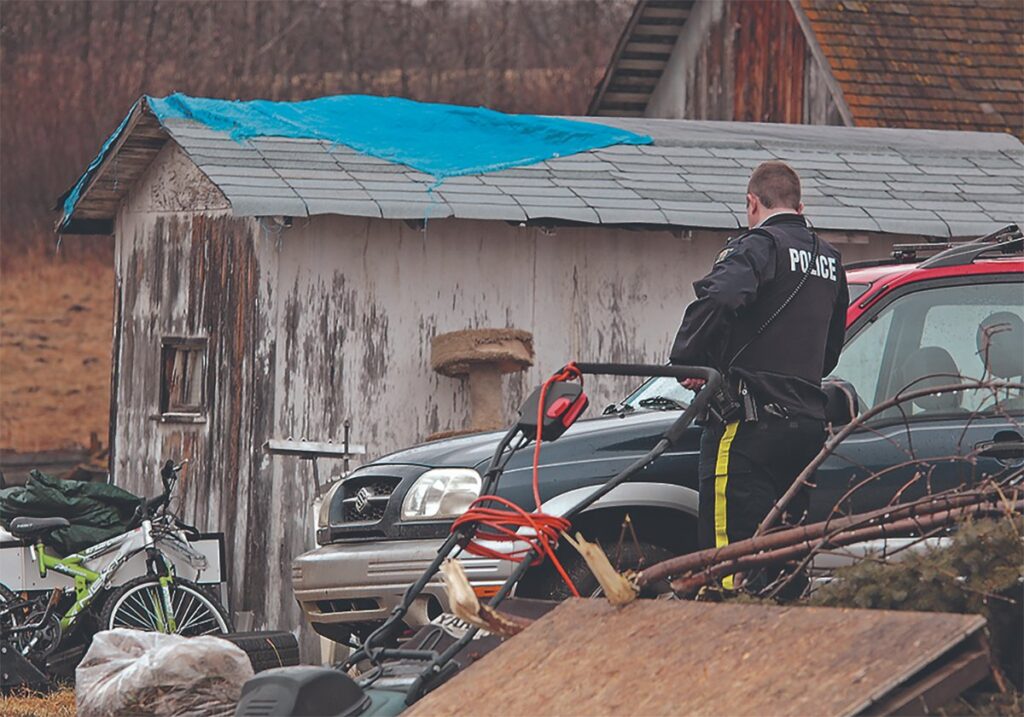
While farm groups argue for increasing the physical presence of law enforcement and policy changes, rural property safety starts with oneself.
To combat rural crime and feelings of vulnerability, there are a few steps that any rural resident can take.
Related story in this issue: Farmers left waiting on rural crime
Read Also

Favourite comfort-and-joy foods perfect for the holidays
I get inspired to incorporate seasonal decorations into our home. Every year those decorations bring back memories as they are lifted out of the box.
“We really recommend that farmers review their insurance policies and make sure that they inventory valuable items,” said Keystone Agricultural Producers president Jill Verwey.
“That’s something that I think that you need to have now, whether that’s even in the case of fire to make sure that you have everything documented.”
It’s always best to be preventive instead of waiting until a problem has occurred.
Overall safety tips include:
- Adequate and good lighting, with the best option being motion sensor lighting.
- Ensure general due diligence, such as locking all buildings, including sheds and garages as well as the home, removing keys from vehicles and equipment, and locking vehicles.
- Learn who your neighbours are to be able to recognize them, but also share any suspicious activity with them.
- Get a large guard dog; they remain a very good deterrent.
- Start a citizen watch or rural crime watch group for your area. There are provincial associations for Alberta and Saskatchewan with resources.
- Place security cameras at entry and exit points of buildings and the property, or any areas that could be considered high traffic, because they should be able to capture vehicles and faces of offenders. It’s a good idea to have a combination of visible and non-visible cameras.
Alberta RCMP corporal Troy Savinkoff shared the importance of cameras, saying they’re deterrents to offenders and provide officers with documentation, especially in cases such as the crime reduction teams focusing on identifying prolific offenders.
“If you’re looking at multiple cameras, or a trail camera, you could set it up in a less obvious spot, for instance, further up in the property, where the offender may not be covering the face,” he said.
“But if you only got a camera or two, certainly put them in the areas that are most likely the entry and exit areas.”
The biggest safety tip is always to communicate incidents and suspicions to police, even if they are benign or innocent.
“If you have an odd occurrence where, maybe it’s a young woman, who is seemingly innocent, comes to your door and knocks and maybe is asking for directions or something that seems quite innocent, but your alarm bells are going off. That very well could be somebody who’s casing you out to see if you’re home,” Savinkoff said.
Producers and rural citizens need to report, with KAP saying they can’t get caught up thinking the information they share, the video they take, or the call they make doesn’t help.
“I think simply turning away from it, say, you have the attitude that it doesn’t matter what I do, nothing’s going to happen, so I won’t report. I think that’s almost worse,” said Verwey.
All information helps to connect the dots and monitor activity. It’s always important to note vehicle description, license plate, time of day and personal descriptions.

Source: producer.com