

Farmers left waiting on rural crime
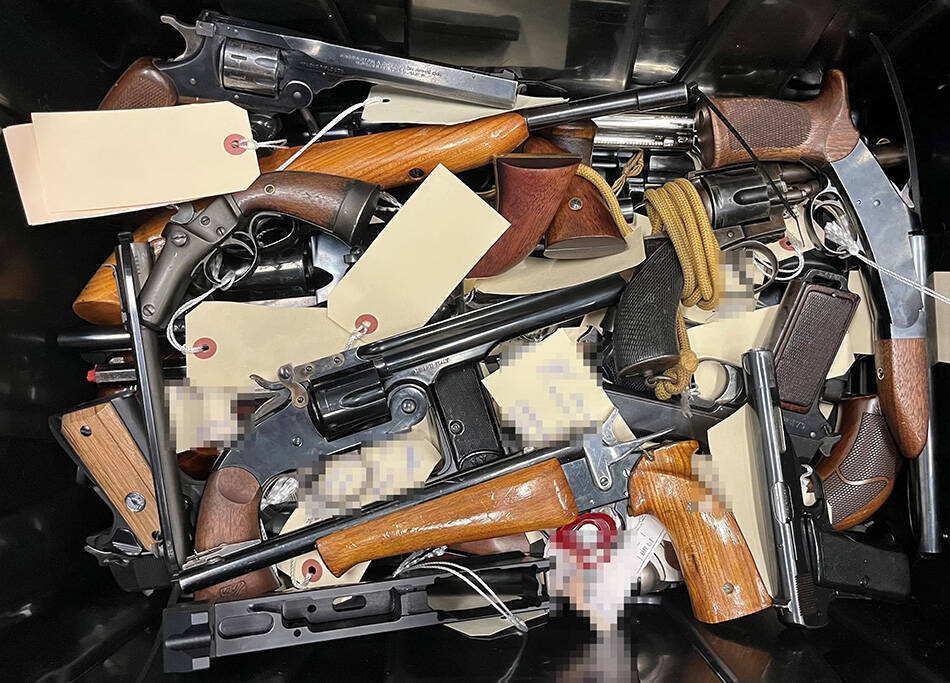
Glacier FarmMedia – The stereotype of rural life might be filled with sleepy little towns and farmyards where no one has to lock their doors, but across the Prairies, farmers have noted a much different trend.
The rise of rural crime has been a sticking point on farm group agendas for years, spurred by first-hand tales of property crime from members, RCMP and media reports, complaints of long police response times and a perceived lack of resources for rural police.
Related story in this issue: Steps rural residents can take to help prevent rural crime
Read Also
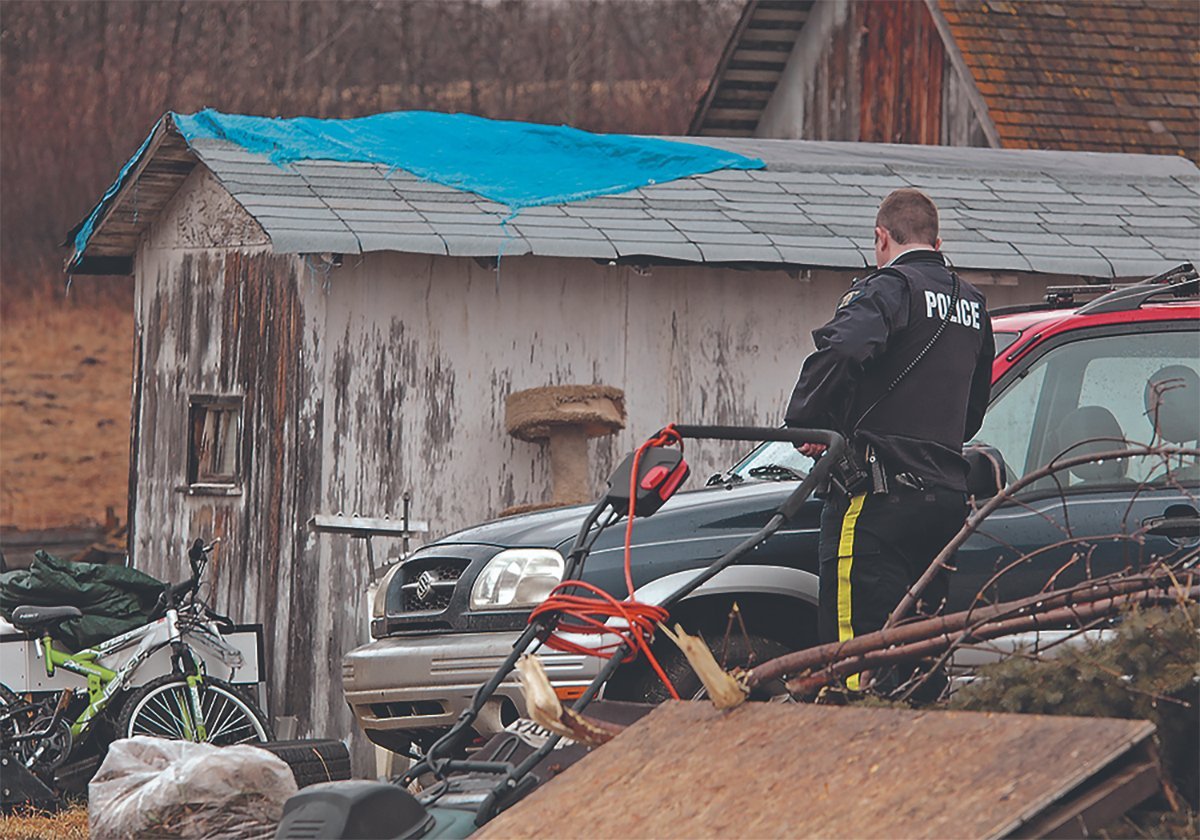
Steps rural residents can take to help prevent rural crime
To combat rural crime and feelings of vulnerability, there are a few steps that any rural resident can take.
Why it Matters: Farmers continue to raise alarm about gaps in rural policing, while RCMP say they’re doing what they can for crime reduction with specialized teams.
Last year, a report from Statistics Canada found 34 per cent more reported criminal incidents by population rate, with the Prairie provinces having the largest gaps between demographic areas, and the trend had been building for the last decade.
That’s not all agricultural. The same report had combined statistics for both rural northern regions and the more agricultural south in its numbers (northern rural crime being three times higher than in southern regions), but farmers have still gathered plenty of stories of how criminal damage, tresspassing or theft have interrupted their business.
“I think what is hitting home today, is safety on the farm. I think, you know, living in rural Manitoba or rural Canada, there’s a certain amount of vulnerability that you have,” said Keystone Agricultural Producers president Jill Verwey.
KAP is among the organizations to hear repeated reports of incidents and member concerns over action, advocacy and availability of resources for rural communities. Rural policing is an active file for the farm group’s lobby efforts.
Perceptions versus reality
Social media may be playing a role in amplifying those feeling of vulnerability.
The digital spread of news creates greater awareness when something happens, such as well publicized thefts in central Manitoba this past April — coverage that included alarming video of armed and masked thieves — or the far-spread story of a fraudulent bison hunt near Binscarth the previous fall.
Hard numbers suggest that Saskatchewan has, in fact, seen continued crime increases.
Manitoba, however, has stabilized, and Alberta RCMP reported significant drops. Alberta RCMP corporal Troy Savinkoff noted that the police force’s stats show 26 per cent fewer break and enters this year than the same time last year, while vehicle theft has dropped 21 per cent.

According to Manitoba RCMP numbers, quoted in a Glacier FarmMedia story last year, there were 116 farm-related theft incidents in 2022, which dropped to 96 in 2023, although an RCMP analyst noted the difficulty in isolating “farm” thefts, making it difficult to definitively speak about the trends.
“In Alberta, we’ve been really pushing, and every year we become much more dedicated to, what we call crime reduction,” said Savinkoff.
“And what crime reduction is, is it’s a changing philosophy in policing.… It’s statistical. We always say 95 per cent of our crime is committed by five per cent of the population. So, what that means is, you’re focusing all your proactive policing efforts directly on that five per cent.”
Crime reduction across the Prairies
Alberta’s crime reduction focus uses analysts to comb crime trends, particularly if there’s been a string of crime in an area, and then turns to proactive and collective patrols by crime reduction or community response teams (CRTs). The teams are meant to evaluate the situation and identify the root causes of recent crimes, which Savinkoff says is much more effective than predicting location of the next crime.
These teams are based at varying provincial detachments. Those are typically the larger detachments, but the RCMP in Alberta says it has organized the province so that each district has a team.
Teams use statistics and knowledge of previous offenders to target their efforts, and CRTs may do surveillance or a check on the individuals if release conditions enable it.
The RCMP says the teams have been successful at identifying offenders, often discovering stolen vehicles and other property when investigating, enabling quicker action.

Manitoba runs similar teams, called CREST (Crime Reduction Enforcement Support Teams). These, like in Alberta, are established in each of the province’s three districts.
“CREST will kind of take over if it’s like a home invasion, something violent, but if it has happened in four different areas, that group will look after it,” said sgt. Paul Manaigre with the RCMP in Manitoba.
“It’s kind of the bigger things, while the smaller stuff we’ll leave to the detachments.”
The province will soon also have MILET (Manitoba Integrated Law Enforcement Team), similar to CREST, but with a slightly wider scope. That initiative will handle all types of larger crime, including interprovincial or provincial-wide enforcement, but excluding homicides. This team will cover the situation if the CREST team is working on another incident.
Saskatchewan, meanwhile, has the Critical Incident Response Program, which provides emergency response, canine services and support services such as analysts and the warrant enforcement and suppression team.
“We’re able to draw on these resources right from across the province at any given time,” said Saskatchewan RCMP district superintendent Kirk Badger.
“So for every police officer that you see in the streets, it’s safe to say that there’s a half a dozen support members that are working behind him or her to keep everyone safe.”
Say a high-risk offender is identified in an area and it’s determined they’re on warrant status, Badger said. The warrant enforcement and suppression team is called to that community to support the detachment in taking them into custody.
Calls for action
KAP believes there needs to be increased law enforcement numbers and availability to respond in Manitoba, but also says it must be paired with legislative reform to provide appropriate actions of discipline to perpetrators, accountability and means to reduce recidivism.
“The frustrating things that we hear from our community is — that I hear almost daily right now, particularly in the city of Portage (la Prairie) — is that it’s just a revolving door,” Verwey said.
“There doesn’t seem to be any accountability for the crime. These repeat offenders, you know, they know that the punishment is not there.”
According to Statistics Canada, Manitoba and Saskatchewan have the highest break and enter rates in the country, which is often connected to theft. Badger said that in 2024, Saskatchwan RCMP received nearly 32,000 calls for property crime offenses.
KAP has hosted information sessions and meetings where the main discussion points were on rural crime. The RCMP and legal representation have been brought in to answer questions regarding property owner rights, criminal activity and loss or destruction of personal assets.
KAP and the Saskatchewan Rural Crime Watch Association (SRCWA) both say they fear more people may take extreme steps to protect themselves.
SRWCA president Tim Boldt said he has heard many people say, “what am I supposed to do?”
“A farmer leaves his truck out the field or a piece of equipment, and all of a sudden they (offenders) get all the fuel out of it,” said Boldt.
“Or they (farmers) have a pick-up truck sitting there for tools or something and it’s stolen.”
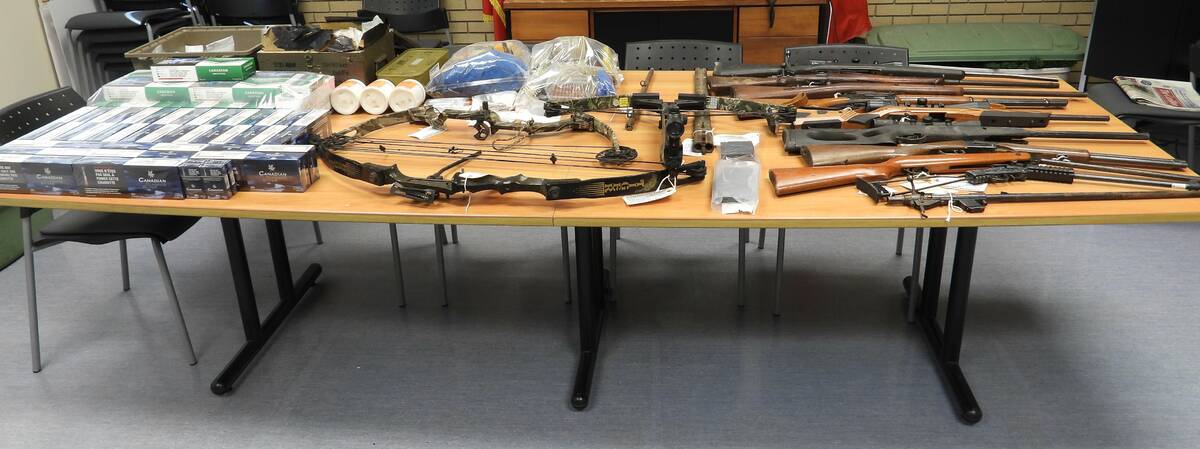
There’s a lack of faith in RCMP response times and action, he added, and cases of armed theft mixed in with the property crimes of trespassing and breaking and entering threaten to dangerously raise the ante in those situations.
It’s a dynamic that KAP is also watching warily.
“(Perpetrators), they’re being very deliberate,” Verwey said.
“Like, when you hear of robberies on a farm, they’re not just coming in to steal, they’re coming armed.… Why are they armed to begin with? You know, what is the draw?”
Both groups says better connection and communication are necessary between local RCMP and local producers. A better relationship is key, they added, and rural residents must be able to trust that their calls will be taken seriously.
RCMP response times
Savinkoff says all calls are taken seriously, categorized with priority and responded to accordingly.
There are four priority levels, with the first two warranting quick response. Priority 1 means an immediate response is needed due to high risk of public harm. Priority 2 means a situation is likely to escalate quickly, and an urgent response is needed.
“(In Alberta), our average response time to a Priority 1 call is 18.8 minutes, and Priority 2 is 21.8 minutes,” he said, adding that included the time needed for the call to filter down through the operational communications centre.
According to Savinkoff, approximately 95 per cent of response times are less than 45 minutes.
That’s a long time in a crisis, he admitted. The geographic realities of rural areas, however, make that transit time a hard challenge to overcome, particularly in very remote areas.
A lot of things go into response times, Savinkoff said, such as effective use of resources based on call volume and case load per officer. It’s not necessarily about population, he noted. Some largely populated areas could have very low call rates.
“So, we start talking some pretty large numbers, and a lot of communities just don’t have the call volume or … the population to pay for those kinds of resources,” Savinkoff said. “So, you end up pumping some of those resources closer to major centres. And unfortunately, there are some far, far reaches.”
Manitoba RCMP does not share call response time statistics, due to the largely rural policing in the province. Response times are tracked and filed, but Manaigre says the statistics don’t tell the whole picture.
It depends on officer availability, patrol location and the time of the call. In terms of detachment distance, it takes approximately half an hour to get from a detachment to one of the communities it patrols.
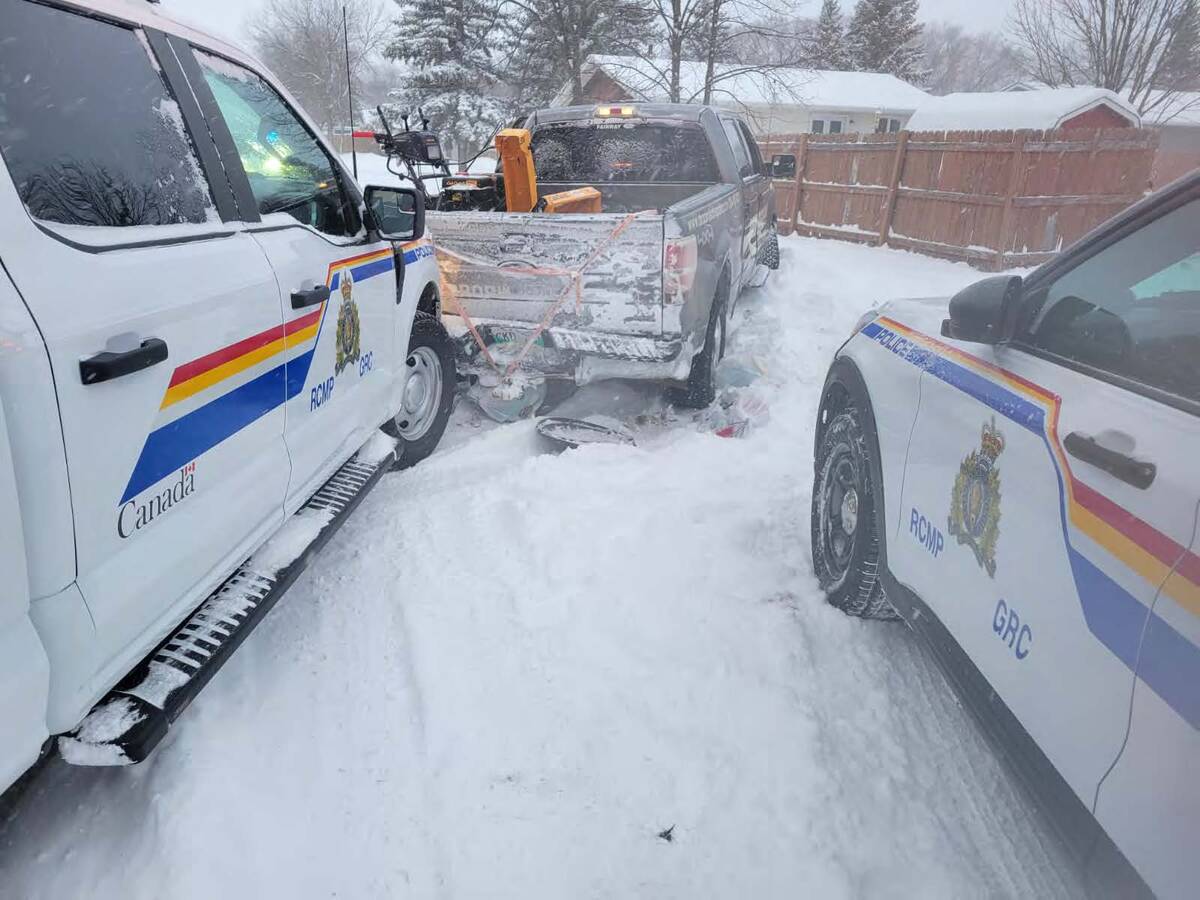
“I hate to kind of look at it like a number, because at the same time, we have computers in our cars,” he said.
“A lot of times, you work from your car on a shift, it could be your is detachment in ‘this’ town, but you’re never there because you’re always on the highway, or you’re in areas where you think might be a bigger concern.”
The Saskatchewan RCMP also doesn’t share response times because accuracy and estimated time is difficult to evaluate due to variables such as geography, weather, road conditions and call priority. But no matter how trivial a citizen may view their call, Badger urges them to make the report because it can help in identifying trends and areas of concern.
The emergency response teams and programs are meant to address these gaps and the far reaches, the RCMP says.

Source: producer.com