
North American cattle supply expected to dip
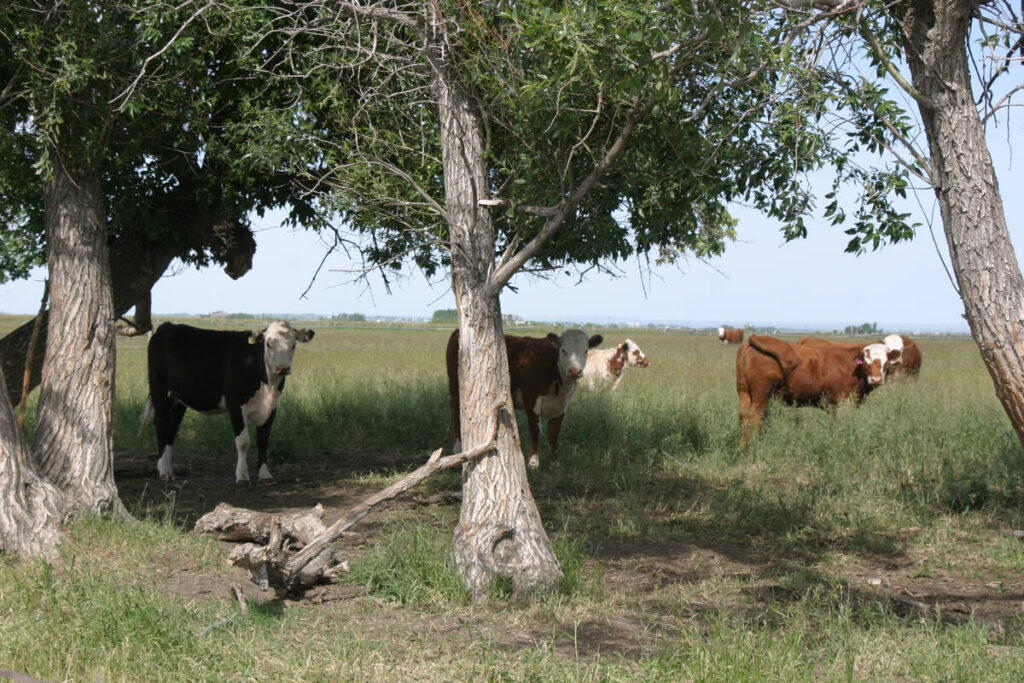
It can be difficult to separate fact from fiction when sifting through all the noise in the cattle market, says a beef specialist with ATB Financial.
One example, says Lee Irvine, was U.S. president Donald Trump’s recent announcement that he was going to import more beef from Argentina.
Irvine told a recent Cattle, Commodities and Market Insights conference hosted by ATB Wealth that the announcement has been blown out of proportion.
Read Also
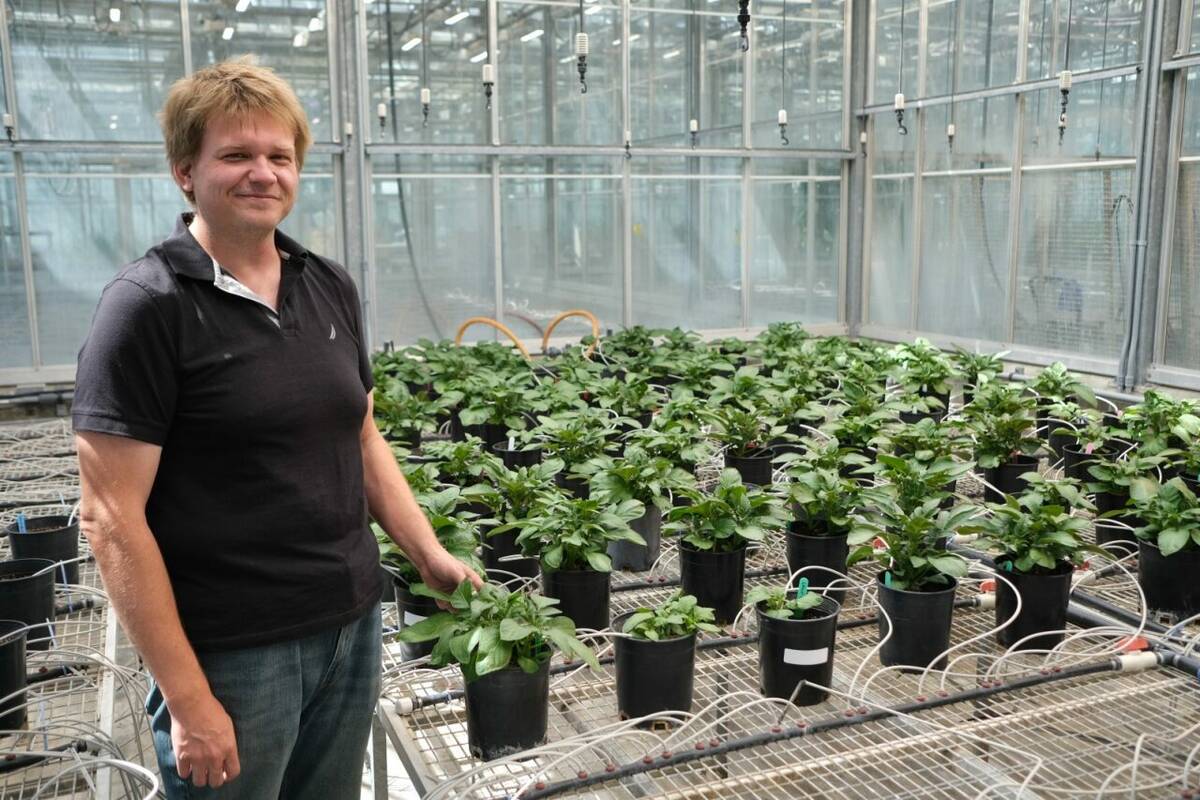
Hail research hopes to benefit potato growers
Alberta research scientist measures hail storm and heat dome affects on potato crops
“When you actually look at the numbers, the amount of beef they are actually bringing in from Argentina is 28 per cent of one week’s kill in the U.S. and less than one per cent of what the U.S. consumes,” he said.
“It is irrelevant. But when you look at the board, when Trump opened his mouth about bringing this in, it absolutely plummeted. Those are the noise side of things that we have to separate out.”
Why it Matters: Sky high cattle prices meets tighter global supply of beef in the upcoming year
Brazil and Argentina are selling a significant amount of beef to China, and Trump has been talking about taking some of that market share.
However, Irvine said worries about Argentina and Brazil aren’t taking production limits into account.
“Both those countries can’t produce beef any quicker than we can. If the U.S. takes that beef from China, all they are doing is having China go somewhere else,” said Irvine.
“China likes cheap beef.”
Irvine said the global cattle market is getting tighter.
The United States is expected to be short 582,000 head of cattle by the second quarter of next year, he said, and Canada faces a similar situation.
Australia is chewing through its supplies, and Brazil and Argentina have little excess.
“It takes us 24 to 36 months to replace our cow herd. That’s the fundamentals we are at,” said Irvine.
“As we look at this global market and where we are heading in this marketplace, we have to remember we are going to go through a cattle cycle, we are going to have a dip, but it’s when and how long is it going to be?”
Irvine said high cattle prices are attracting investors to the Canadian cattle industry, but they might be late to the party.

“They always seem to swim up to the ship after it’s left port,” he said with a slight chuckle.
“Oh, canola is down and cows are up, so let’s go into cows. That just drives the cow price up and then you are constantly on the wrong cycle.”
Irvine said he is hearing about foreign investment in the cattle industry in an attempt to secure beef supplies for their countries, but other than the U.S., Irvine does not see it as being a huge needle mover in the market.
However, given how much more the American dollar is worth than the loonie, Irvine sees more U.S. producers buying cattle from Canada, particularly from southern Alberta close to the U.S. border.
“Those markets are significantly higher on the bred prices than where you are further north. That is a U.S. floor,” said Irvine.
“If we see Trump come out with a subsidy for cow-calf producers to grow the cow herd in the U.S., that will be a significant problem for us. There will be a sucking sound to the U.S. for all the Canadian-bred cattle.”
Anton Bellot, director of agri-business and agri-food with ATB, said foreign investment in agriculture on the Prairies rivals what is seen in the energy sector.
He said more global conglomerates are coming to Alberta to see about setting up their global supply chains in the province, including a delegation from Bangladesh.
“Bangladesh alone, that’s a lot of people in a small factor of land. I’m not even kidding, the (overall foreign) investment just across agriculture is a trillion dollars just to shore up their supply chains,” said Bellot.
“The crown corporation for us in Alberta is critical, but we are seeing a lot more players come in from an international perspective. We are also seeing a lot of of the funds coming out of Toronto that are looking to get into the sector. It’s a very not-reported thing. It hasn’t slowed down in the last 18 months.”

Source: producer.com