
Fertilizer label changes called costly, unnecessary
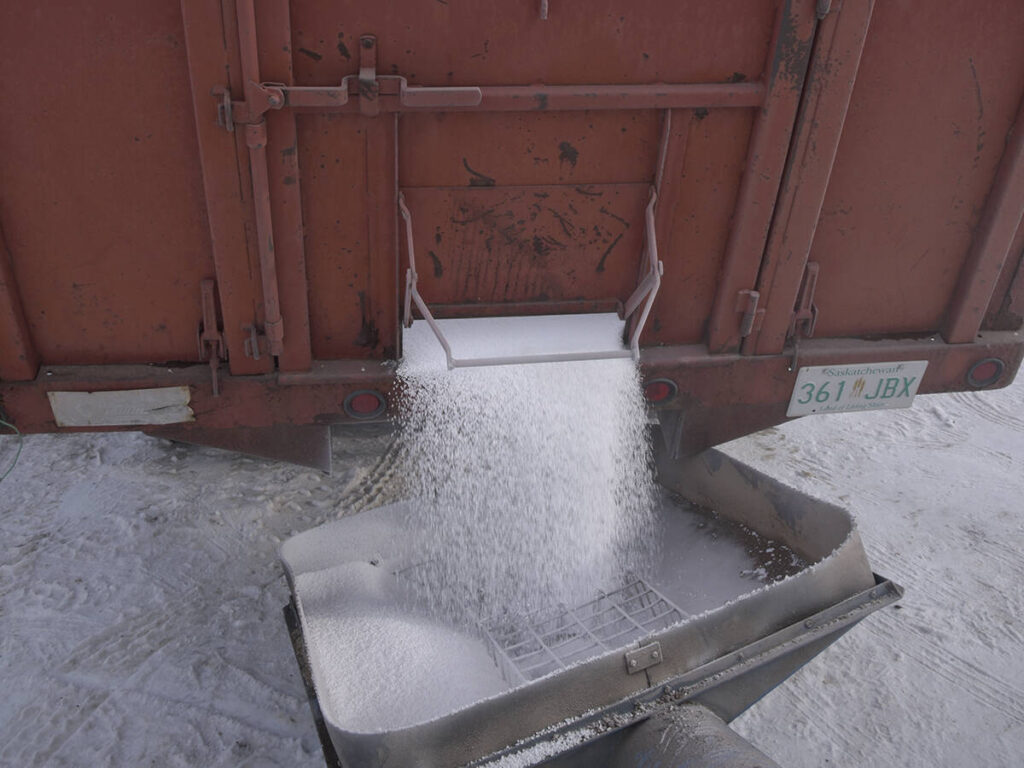
Glacier FarmMedia – The Canadian Food Inspection Agency is giving the bulk fertilizer sector more time to become compliant with new labelling regulations, but the president and chief executive officer of Fertilizer Canada is of two minds about the extension.
On one hand, if it means nine more months to negotiate a better deal with the CFIA, then it’s a positive move, said Michael Bourque. But if it continues to mean insistence on new rules that he calls impractical, unnecessary and, above all, costly, that’s where his goodwill ends.
Why it Matters: Two years ago, the CFIA gave the fertilizer industry in general a reprieve on new rules, including label requirements.
Read Also
Organic yield data depends on the source
To make its case for organic, the task force studied the financial returns from 10 organic and conventional field crops, including cereals, pulses and oilseeds.
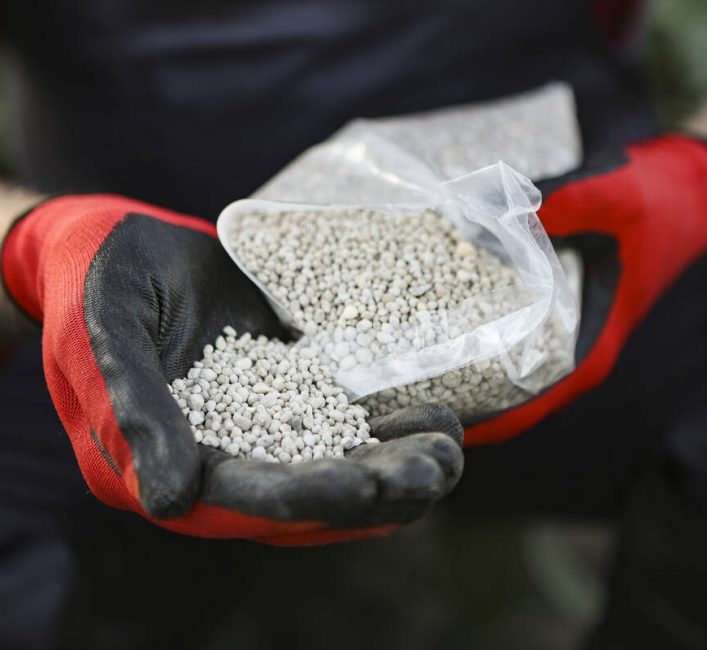
Bourque said the regulations, which now give bulk fertilizer companies a deadline of July 31, 2026, to develop a plan for compliance, would require the Canadian sector to invest more than $100 million to implement.
Information on the labels must be bilingual (the CFIA considers bilingual labels a key component in fertilizer handling safety) and include lot numbers and precautionary statements around safety. Fertilizers other than customer formulas are to include information on the source of active ingredients or bear a statement saying that information is retained in records.
Bourque said all that information is already readily available.
“We feel that those labelling requirements are appropriate for, say, bags of fertilizer that you would buy at the Co-op or at the Home Depot … but it’s not appropriate for bulk shipments for farmers because we already have a system in place that uses bills of lading, that uses codes of practice for the more dangerous goods,” he said.
“This would pretty much upend the system that we have. It would require a certain amount of systems integration to be able to comply with it … and again, we don’t see a practical improvement from this regulation, nor do we see a safety benefit.”
Practical’ options available
Bourque added that he is not against shipping documents being in both of Canada’s official languages, but he doesn’t think labelling bulk fertilizer is the answer.
“There’s some practical solutions, such as having more web-based information, et cetera, more information that could be perhaps distributed by agronomists,” he said.
“We’re hoping to find a different solution. We have until July to do that or to comply if they don’t want to change the regulations.”
The industry is willing to work with the CFIA toward alternatives, he added.
One of Fertilizer Canada’s ideas replaces the label changes through a combination of QR (quick response) technology with the industry’s existing lading system.
“A bill of lading is a fairly simple document, and what they’re asking for is a much more complicated document and in both languages,” Bourque said.
“In Europe, for example, what they do is they have a bill of lading and then they’ll have a QR code. And anybody that wants additional information can just take a picture of that QR code. And if they have access to the internet, (they can) basically look it up and get all the information that’s there.”
Redundant changes, industry says
Bourque said the fertilizer group’s opposition has nothing to do with secrecy because everything the CFIA wants on the labels is already available.
Instead, he said the changes would slow the entire system of bulk fertilizer shipment, including at crucial crop seasons.
“It’s vital that fertilizer be applied within a three-to-five week window in the spring and again in the fall,” he said.
“And so, during those times, there’s already a lot of stress on the system and we don’t want to introduce a complicated additional requirement that doesn’t add value, which is complex, costly and, at the end of the day, offers zero additional safety for the whole system.”
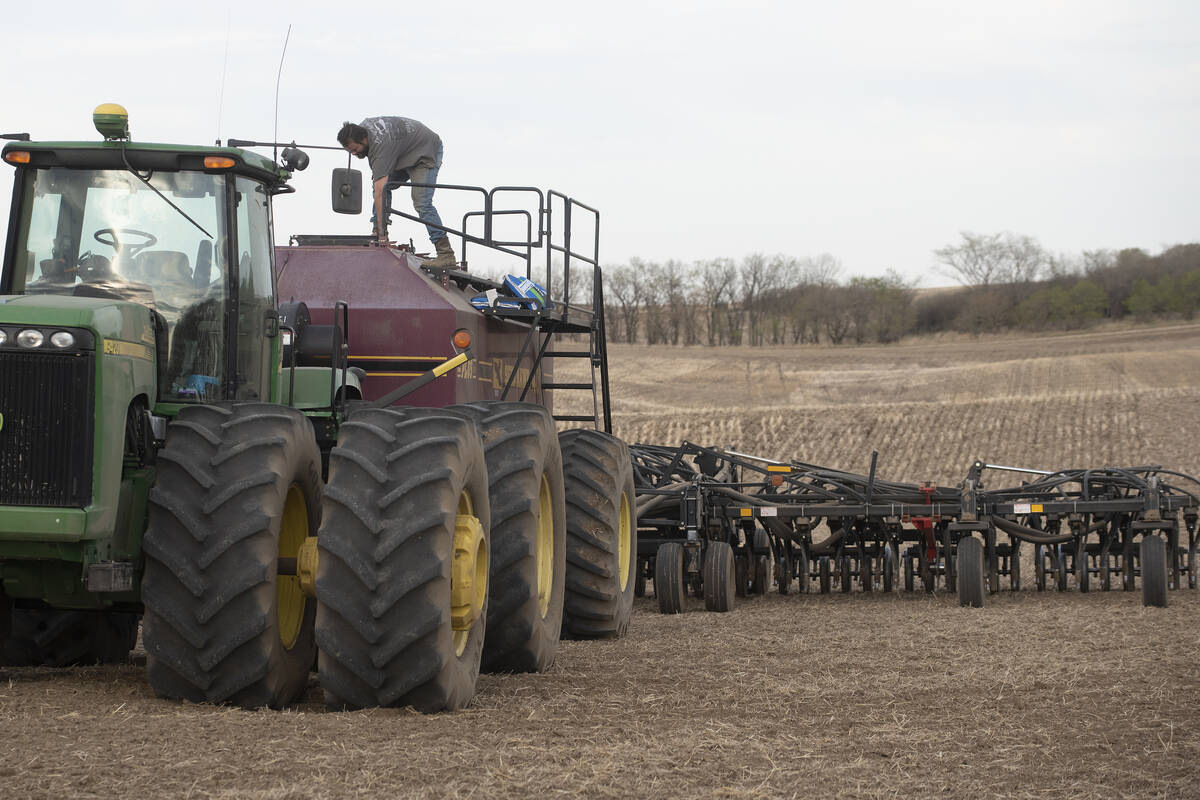
Bourque said he doesn’t understand why the federal government, which has put such high priority on reducing red tape, requires a system he calls more expensive and less efficient.
“When this regulation was brought in in the first place, it was designed to try and reduce unnecessary regulation. But in our case, for bulk shipments, it’s actually adding a considerable burden, both financially and in terms of complexity.”
Extensions
Labelling wasn’t the fertilizer regulation’s sole concern when they were amended in October 2020. For example, they introduced less regulatory scrutiny for traditional fertilizers such as nitrogen, phosphate and potash.
“They don’t require registration because their value and safety have been well established,” Clyde Graham, then-executive vice-president of Fertilizer Canada, said in a Western Producer story from June 2020.
“It’s going to streamline the registration process and registrations are going to last longer.”
The story also said the new rules will “mainly affect novel products such as micronutrients, inoculants, biostimulants and nitrification inhibitors.”
The implementation deadline became a moving target. Industry players were given a three-year implementation period, which was ultimately extended by 24 months for “early applicants” (registrants) when that timeline expired in 2023.
In a Glacier FarmMedia story from June 2023, the CFIA blamed the extension on pandemic-driven supply chain disruptions that made the target, set for that fall, difficult to meet.
The CFIA did not respond to requests for comment as of press time.

Source: www.producer.com