
Critics question Brazil’s biofuel expansion plan
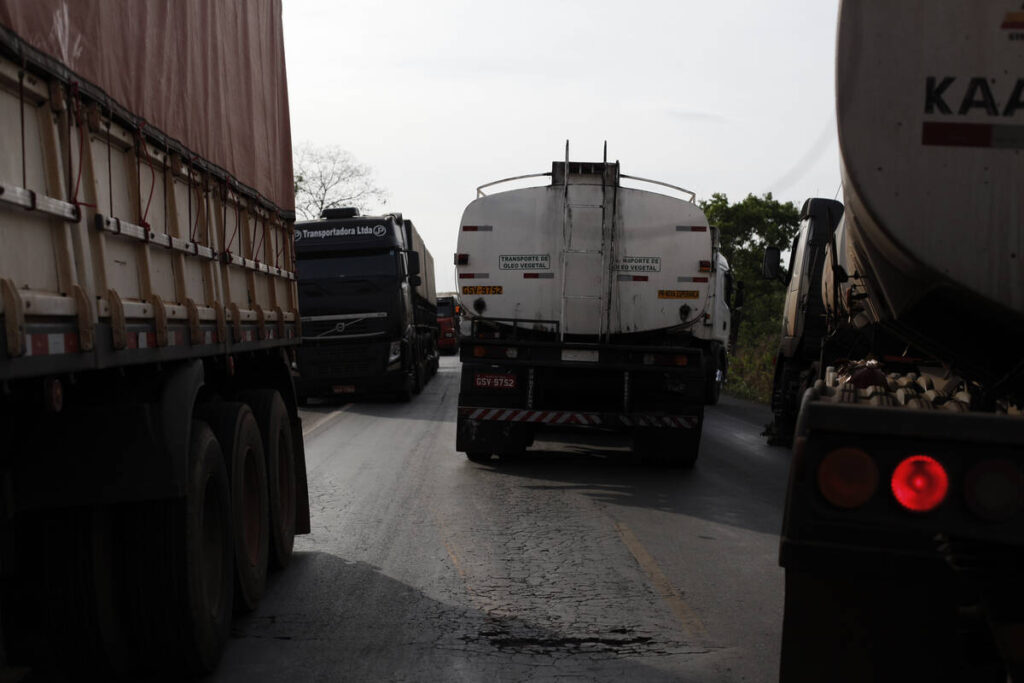
BELEM, Brazil/NEW DELHI (Thomson Reuters Foundation) – Brazil, which hosted the United Nations’ recent COP30 climate summit, is pressing nations to pledge to quadruple the global use of sustainable fuel by 2035, including biofuel, hydrogen and biogases.
However, environmentalists warn that making fuel from crops harms food security and nature.
“When land grows fuel instead of food, someone else must clear more land, or eat less,” said Timothy Searchinger, senior research scholar at Princeton University.
Read Also

USDA’s latest WASDE report bearish for wheat
The U.S. Department of Agriculture has released its long-awaited November crop production and World Agriculture Supply and Demand Estimate reports.
“Countries believe they are cutting emissions because biofuel emissions are counted as zero. In reality, they shift the pressure onto land and food systems.”
That pressure is already visible in India, which has rapidly increased the percentage of ethanol in petrol and helped save $12 billion in oil imports in the past decade.
However, it has come at the cost of arable land being diverted to growing crops for fuel instead of food, and drivers have complained about damage to their engines.
However, Brazil’s long-term growth in biofuel has been smoother, with biofuel now powering about a quarter of the transport sector last year, with an estimated 762,000 jobs in related activities, according to a recent report by the International Renewable Energy Agency.
It said meeting Brazil’s goal of quadrupling sustainable fuel use by 2035, which 19 countries have signed up to so far, would more than double global biofuel production.
However, green groups are concerned about the impact of biofuel on demand for land and potential nature destruction, especially in biodiverse regions such as Brazil and Indonesia.
A Brussels-based non-profit, Transport & Environment (T&E), last month said global biofuel production emits 16 per cent more carbon dioxide than the fossil fuel it replaces.
“When the (Brazilian COP30) presidency is pitching transition from fossil fuels and it mentions sustainable fuels in the next breath, we have a roadmap for disaster,” said Ruairi Brogan, a senior policy officer at wildlife charity Royal Society for the Protection of Birds (RSPB) UK.
“The biggest thing about the pledge is the scale. We don’t have the land for that.”
In response to these concerns, Braun said over the last 25 years, 98 per cent of the agricultural expansion to produce biofuel had happened on degraded lands, referencing the IRENA report.
He said ethanol blending was “not rocket science,” and the technology was well established in Brazil and was being successfully developed in countries such as India.
Countries such as Brazil and India see biofuel as an opportunity to combine climate action and economic development with new jobs and supply chains for biofuel.
If biofuel development accelerates, it could lead to cumulative investments of $1.5 trillion across all sustainable fuel types by 2035, the IEA said, providing a welcome economic boost to emerging economies and rural regions.
However, a letter signed by more than 100 scientists before COP30 said growing transport biofuel demand could require about 128 million acres of cropland by 2030, roughly the size of Spain.
Without strict safeguards, subsidies and targets for crop-based fuel would deepen food and forest crises, they wrote.
Despite these concerns, India has doubled down on its biofuel policies, and this year began selling petrol mixed with 20 per cent ethanol, or E20, five years ahead of schedule.
The rapid roll-out has raised concerns about diverted crops.
Ramya Natarajan of the Center for Study of Science, Technology and Policy said India’s experience showed how difficult it is to balance climate and food goals.
The Delhi-based think-tank’s analysis suggests India may need to grow 10 to 25 million extra acres of corn by 2030 to sustain the E20 blend.
“The trade-offs will be hard to avoid,” Natarajan said.

Source: producer.com