
Manitoba farmers offered crop insurance carrot on marginal acres
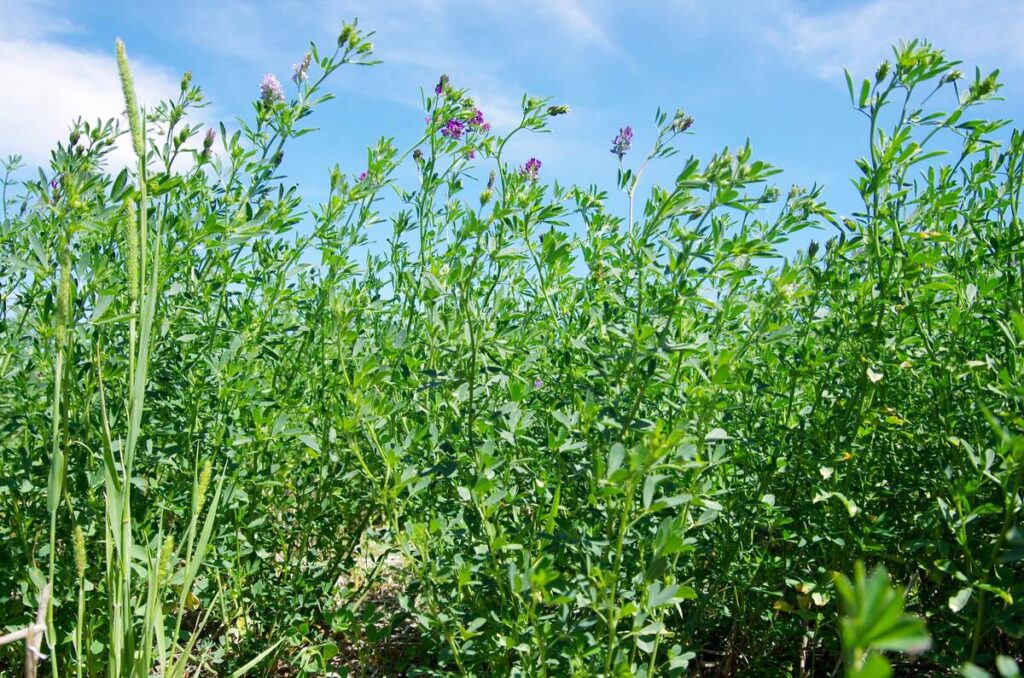
Glacier FarmMedia – New crop insurance discounts are on the table for Manitoba farmers who grow perennial forage on their less productive cropland.
The federal and provincial governments announced the new Forage Advantage pilot program earlier this month.
“(It) reflects our governments’ shared commitment to innovation and sustainability in agriculture,” federal agriculture minister Heath MacDonald said in a press release.
Read Also
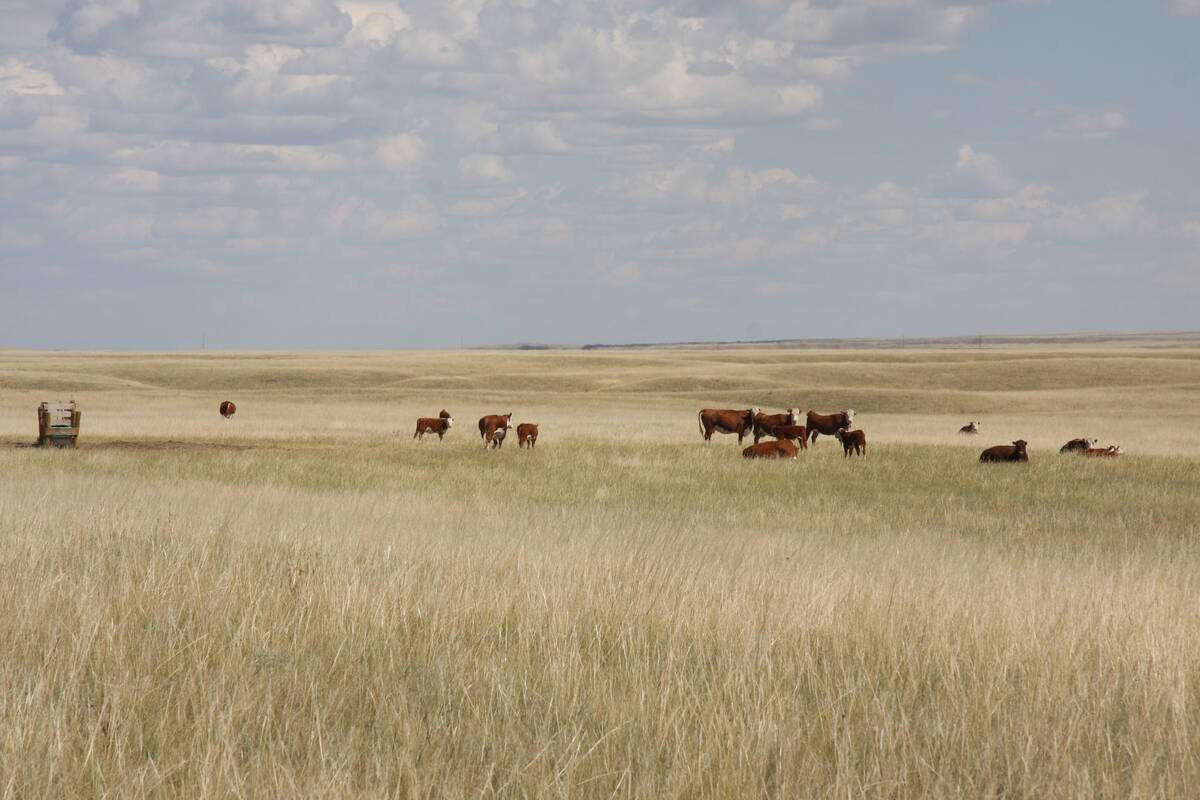
Loss of grasslands tied to lost revenue for ranchers
Loss of grasslands can have a major economic impact on ranchers, says Lampros Nikolaos Maros, a researcher in the University of Saskatchewan’s Department of Agricultural Resource Economics.
“By encouraging farmers to establish perennial forage on marginal land, we’re supporting practices that improve soil health, enhance water management and increase biodiversity, all of which strengthen farmland resilience against climate change.”
Why it Matters: The project is the latest in a number of programs meant to incentivize forage planting on marginal acres, areas that experts and policy makers argue aren’t producing enough crop to pay for their seed and input costs anyway.
Starting in the 2026 crop year, Manitoba farmers who plant perennial forage on marginal land will receive a 15 per cent discount on Forage Establishment Insurance (FEI) premiums. Once the forage is producing the following year, farmers can also qualify for discounts on Basic or Select Hay Insurance or Forage Seed Insurance.
Forage insurance programs through the Manitoba Agricultural Services Corp. have historically struggled to gain producer acceptance. The suite has undergone a graduated revamp in recent years after poor hay harvests in 2019 prompted a review of the program to make it more attractive to producers.
The argument for more forage
Perennial forage as a marginal acre solution has been increasingly promoted by soil health and farm management specialists. It does mean taking some acres out of annual crop production or sometimes creating islands of forage that producers have to manoeuvre around.
However, advocates also argue that the practice can better manage water quality and water levels, holding the line on salinity, reduce weeds and disease, help soil fertility, make farms more resilient against flood and drought, support yield-boosting pollinators and beneficial insects and help producers be more efficient with their input dollars.
On the environmental side, those same advocates argue, the practice supports carbon sequestration and overall biodiversity.
What land qualifies
Areas classified as marginal are eligible for the program, defined in the press release as acres where annual crops struggle due to problems such as poor soil, salinity, erosion or excess moisture. Farmers who choose FEI and plant forages on these acres will automatically receive the premium discount. The release did not offer further details on selection for eligibility.
“By encouraging the adoption of sustainable practices, this program helps farmers protect their land while maintaining productive and resilient operations,” said Manitoba agriculture minister Ron Kostyshyn in the Nov. 13 release.
Extra support through SAM
Manitoba has also added $500,000 to the Sustainable Agriculture Manitoba (SAM) program, which helps farmers adopt innovative practices such as perennial cover on sensitive land.
“By increasing the SAM program’s funding, we are helping more Manitoba farmers adopt sustainable practices,” Kostyshyn said.
“This additional investment reinforces our commitment to growing a strong and environmentally responsible agriculture sector in the province.”

Source: producer.com