
Producers question growth projections for milk facility
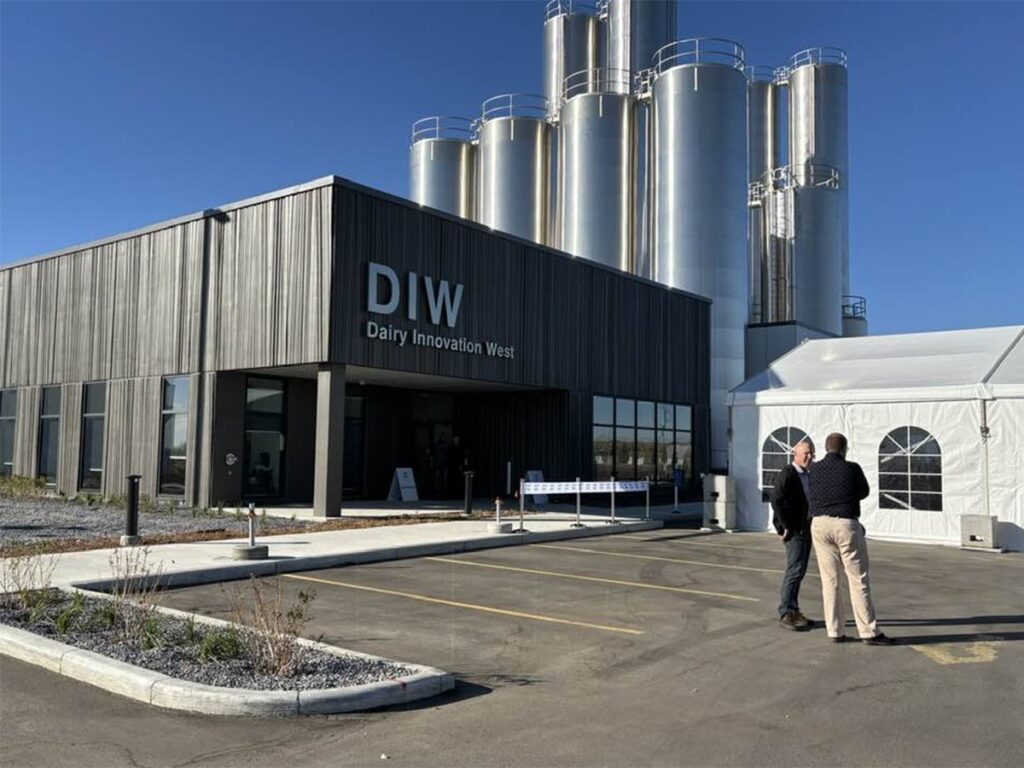
Questions remain about the future potential of the Dairy Innovation West milk concentration plant in Alberta.
The state-of-the art plant officially opened in early October just outside of Blackfalds, the first of its kind in Canada.
The $82 million facility is capable of processing 300 million litres of raw milk, with the capacity to expand to 467 million litres in the future.
Read Also
Milk concentration plant officially opens in Alberta
Canadian raw-milk processing history made with start up of Dairy Innovation West milk concentration plant in Alberta
Producers attending Alberta Milk’s fall meeting in Lethbridge were excited about the initiative but also wondered if the plant’s full potential can ever be realised, considering the aggressive projections that have been made.
Why It Matters: First-of-its-kind plant in Canada makes for highest-quality protein product through non-pasteurization of milk.
Transportation costs for projected DIW volumes over the next five years ranged from $2 million in the first year to $18 million as projected volumes increased.
Savings in transportation were calculated at $15 million in the fifth year as the number of required trucks dropped to one from four.
“It should be noted that this is based on a series of assumptions, and is all subject to change based on who DIW’s customers are, which products are being made and where those concentrated ingredients are going,” Reuben Joosse, general manager of Alberta Milk, told the meeting.
Current anticipated raw milk intake volumes are expected to be 43 million litres next July and then increasing to 321 million by July 2030.
A more than triple increase in volume is projected from 74 million litres in 2027 to to 241 litres in 2028.
One producer in the audience said the projections seemed aggressive and asked if DIW had processors waiting in the wings to take on such a rapid increase in milk volume.
“It’s probably safe to assume that the expansion volume anticipated in 2028 is also kind of in line with the projected quota increases, wherever that may be, but safe to assume that there’s a market for that milk already, like Vitalus (operator) isn’t going to build that plant without having a market,” the producer said.
“But that’s a massive jump in product to also find a home for.”
Alberta Milk chair Stuart Boeve said Vitalus Nutrition has has done its homework and is confident there will be a home for the product.
“They pay for the milk whether it goes through DIW or not,” Boeve said.
“They’re more all in than we are, as far as that processing plant. There’s all kinds of arrangements that we’re not even privy to. Certainly, co-packing is one of their ways of dealing with what the products are taking.”
Another producer said they had heard rumblings that some of the larger processors were hesitant to use the plant as its gets its feet under it.
Joosse attributed those concerns to the milk not being pasteurized and the need to build a level of comfort around that.
“Which we are seeing,” he said.
“There’s been really positive feedback from the customer getting the product right now. Some of them also need certain amount of records built up from DIW in order to to start receiving milk. So they need certain certifications in place. They need a certain number of months of records from DIW before they can do that. There’s just a bit of time that needs to kind of pass in order for the processors to build that comfort and be able to get the certifications they need to receive product.”

Source: producer.com