
Soybean oil prices expected to rise in 2026-27
SASKATOON — The outlook for grains and oilseeds in 2026-27 is pretty blah, with one notable exception.
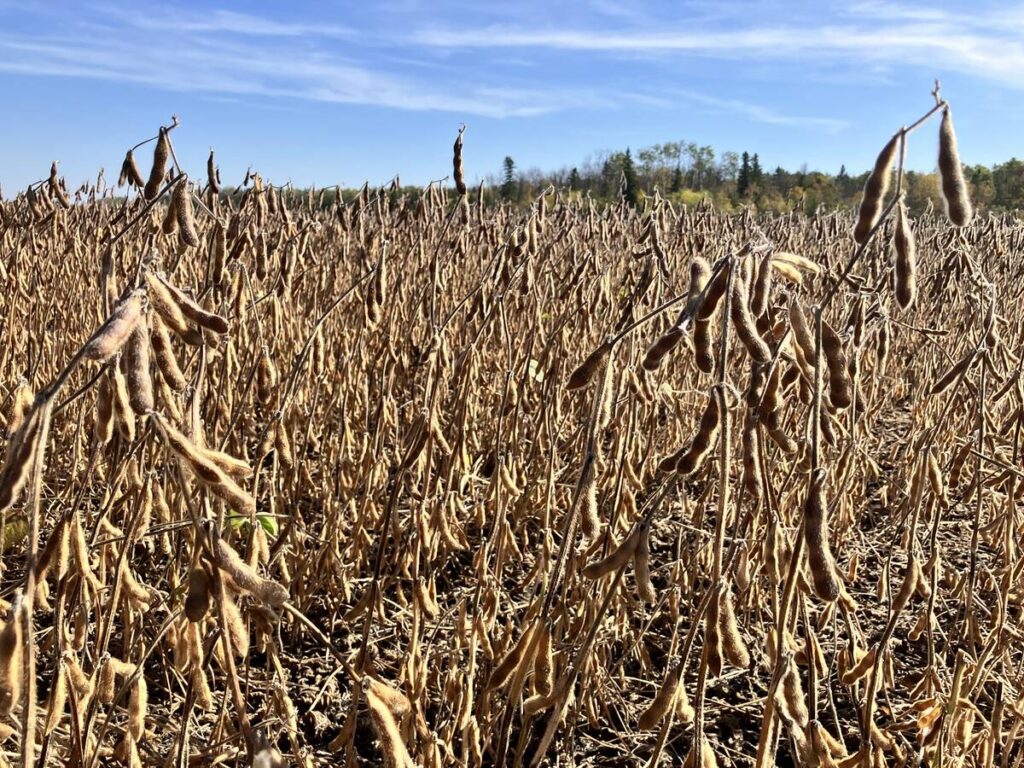
The demand for U.S. soybean oil is expected to be voracious, said Bryn Swearingen, agricultural economist with the U.S. Department of Agriculture’s Economic Research Service.
She told delegates attending the USDA’s 102nd annual Agricultural Outlook Forum that the U.S. biofuel sector is expected to buy 17.3 billion pounds of soybean oil, a 2.5 billion lb. increase over 2025-26.
Read Also

Loblaw misses revenue estimate
Canadian retailer Loblaw says it has missed analysts’ estimates for fourth-quarter revenue, signalling consumers are turning cautious and more discerning.
That will more than mop up the anticipated 1.39 billion lb. increase in soybean oil production in 2026-27.
Swearingen’s biofuel use forecast is based on favourable renewable volume obligations (RVOs) announced by the U.S. Environmental Protection Agency in its proposed rule released in June 2025.
The EPA’s final rule is expected any day.
It is also based on the 45Z producer tax credit that favours North American feedstocks and penalizes foreign feedstocks.
The sheer volume of soybean oil flowing into the U.S. biofuel market will reduce the amount available for food, feed and exports by an estimated 800 million pounds.
Ending stocks are expected to fall by 170 million lb. in 2026-27, boosting the average price for soybean oil to US$0.58 per lb., a 9.4 per cent improvement over 2025-26.
That is good news for Canadian canola growers because canola prices are closely linked to U.S. soybean oil prices.
Why it Matters: Soybean oil was the one bright light in Swearingen’s forecast.
The rest of Swearingen’s grains and oilseeds outlook was humdrum.
Major exporter stocks of corn, wheat and soybeans in 2025-26 are all expected to be elevated, which is muting price expectations for 2026-27.
“Due to all of these ample supplies, we are forecasting that prices are only projected to see a marginal recovery in 2026-27,” said Swearingen.
The USDA is forecasting that the average cash price for soybeans, corn and wheat will each rise $0.10 per bushel in 2026-27.
Soybeans will average $10.30 per bu., corn $5 and wheat $4.20.
U.S. corn plantings are expected to fall to 94 million acres from 98.8 million acres last year.
Production is forecast to drop by 1.27 billion bu. due to reduced plantings and a return to average yields.
Corn ethanol use will stay the same while feed use will drop by 200 million bu. and exports by another 200 million due to lower supplies and stiff international competition.
Ending stocks will fall 290 million bu. but remain elevated compared to historical levels.
Soybean plantings are predicted to rebound to 85 million acres, up from 81.2 million last year.
Yields are forecast to remain the same as last year, but production will rise by 188 million bu. due to the increased acreage.
Domestic crush will increase by 85 million bu., consuming nearly 60 per cent of total U.S. production in 2026-27.
Exports are expected to be up 125 million bu. in 2026-27 due to China’s return to the market.
Soybean ending stocks are forecast to remain similar to the current crop year with higher production offset by stronger crush and exports.
Wheat plantings will essentially stay flat at 45 million acres compared to 45.3 million last year.
Yields are forecast to decline by 2.5 bu. per acre, pulling production down by 125 million bu.
Total supply is forecast to fall 48 million bu. as higher beginning stocks somewhat offset the drop in production.
Exports are forecast to tumble 50 million bu., while ending stocks will remain stagnant, keeping prices depressed.
Swearingen said the factors that could change her grains and oilseeds forecast include the EPA’s finalized RVOs, weather, trade deals and any big surprises in the March 31 Prospective Plantings report.

Source: producer.com