
More canola and flax acres will come at the expense of pulses
Saskatchewan crop insurance prices in 2026 will be higher than last year for a few crops, but most crops will be lower.
Whether the prices will alter seeding decisions is a matter of debate, but the prices reflect market realities and will certainly re-enforce many of the decisions already made.
The Saskatchewan Crop Insurance Corp. price for canola for the year ahead is set at $14.06 a bushel, up from $13.50 last year. Crop insurance prices in Manitoba were set about a month previous with canola at $14.74 a bu.
Read Also
Growing world hunger is alarming, but don’t give up hope
Devastating cuts to humanitarian aid programs around the world have exacerbated a growing problem of food insecurity, and the results will be dire.
In 2024, the Saskatchewan price was $15.08. Before that it was much higher. However, for a lot of producers, penciling in a price of more than $14 a bu. makes canola a winner because prices for other crops are even less attractive.
Canola already dominates seeded acreage in most parts of the Prairies. Watch for even more canola this year in the drier, non-traditional canola areas.
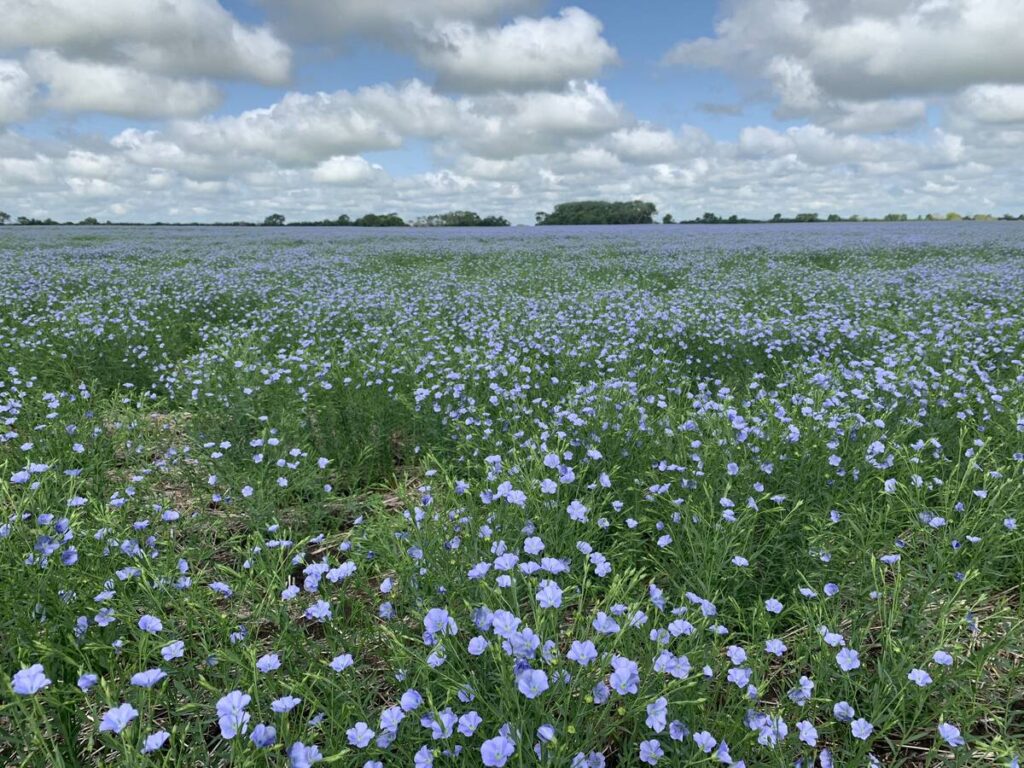
Flax is another crop showing a price improvement. The SCIC insured price is $16.52 a bu., up from $15.25 last year. After a strong year for flax yields, watch for an increase in flax acreage.
Barley shows a slight improvement, going from $4.68 a bu. last year to $4.79 this year, but other cereal crops are down.
Hard red spring wheat slips from $7.74 last year to $6.92 a bu. this year. Durum drops from $8.01 to $7.47. Oats at $3.01 a bu. is down 30 cents from last year.
Cereals are a necessary part of most crop rotations. How much acreage jockeying occurs between the cereal crop options remains to be seen.
The biggest acreage drops in percentage terms will likely come in the pulse crops because they have taken the largest hits in market price levels as well as crop insurance levels.
Peas are down substantially, going from $10.37 a bu. last year to $7.67 this year. Crop insurance doesn’t differentiate between the different classes of peas.
Producers who contract green peas or speciality peas at values above the crop insurance price can use the Contract Price Option to increase their coverage levels.
Red lentils are 24 cents a pound, down from 31 cents. Large green lentils have plummeted from 46 cents a lb. all the way to 26 cents.
The prices approximate market realities, meaning substantially fewer lentil acres are likely to be seeded with the biggest decline happening in greens. Green lentil acreage went up substantially last year.
Meanwhile, large kabuli chickpeas have dropped from 34 cents to 23 cents a lb. Chickpeas saw a large acreage increase in 2025 as producers looked for a pulse crop less susceptible to root rot.
With a lot of off-grade chickpeas from last year remaining on farm and with the price drop, expect chickpeas to join peas and lentils with declining acreage.
Canaryseed goes from 32 cents a lb. last year to 20 cents this year. It’s hard to see that market recovering any time soon. Canaryseed is another crop that will take an acreage hit.
Among the three classes of mustard, oriental at 39 cents a lb. has the best economics because it yields better than yellow mustard at 41 cents a lb. Brown mustard trails the other two in returns with a crop insurance price of only 31 cents a lb.
Price surprises will no doubt arise in the months ahead, but a lot of seeding decisions have already been finalized.

Source: producer.com