

Manitoba’s Turtle Mountain offers surprising natural attractions in the middle of the prairies
As we drive south of Boissevain, Man., the level farmland soon gives way to hilly forest dotted with small lakes. Rising 245 metres above the surrounding plains, the Turtle Mountain hills were the first part of Manitoba to be inhabited, since it was the first place to experience dry land after the retreat of the glaciers.
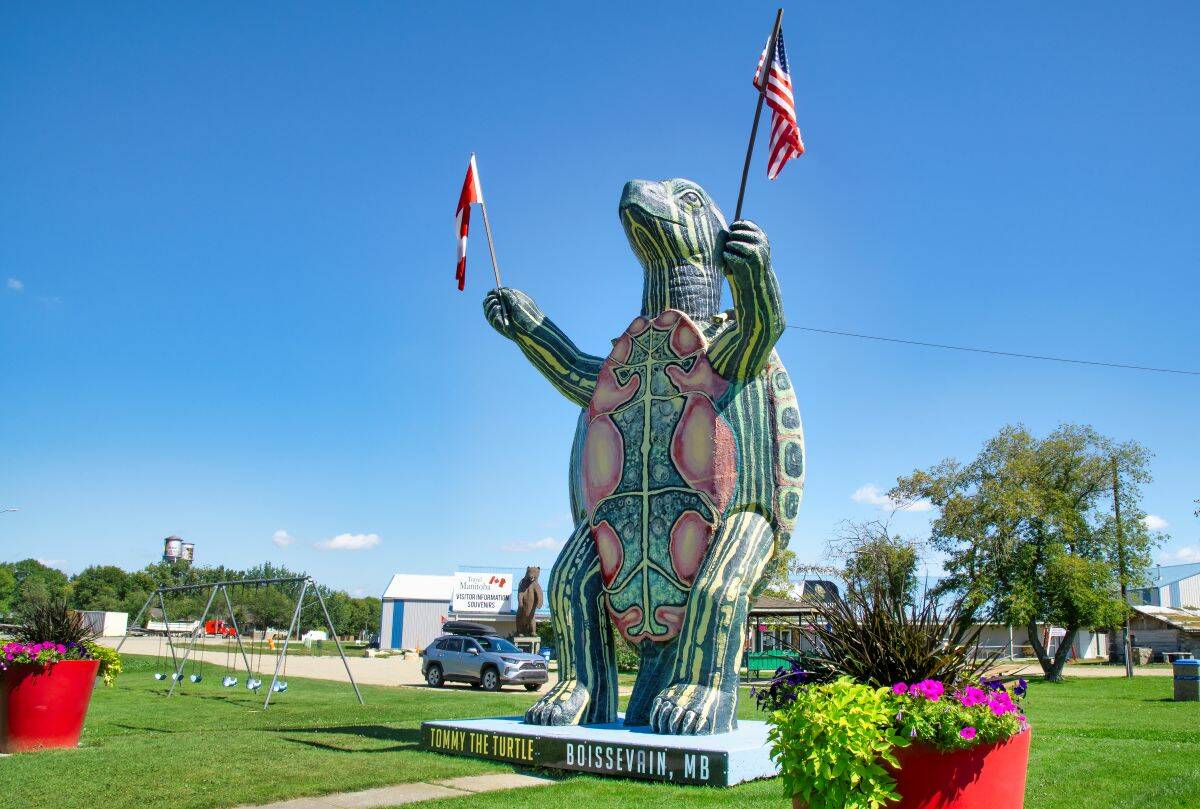
Today, it is a wilderness playground protected in Turtle Mountain Provincial Park. Boissevain, the largest town in the area, is closely associated with the park and is the home of Tommy the Turtle, a nine-metre-tall statue of a painted turtle commemorating the park’s namesake. The town is also known for its collection of colourful murals depicting the area’s history.
Read Also

Warm chilled bones with fire honey
The Cultivating Wellness column explores natural health through the use of food and herbal healing with recipes that support full-body health from the inside out.
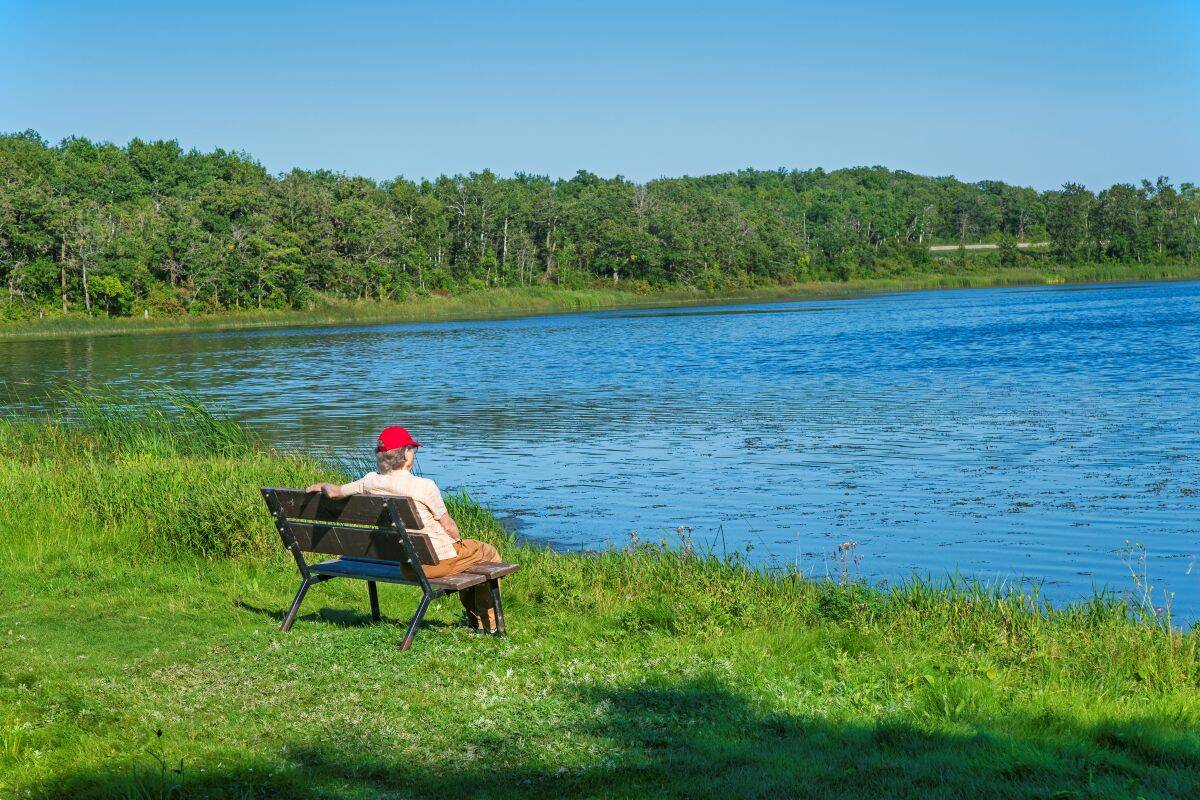
Adam Lake, just off Highway 10 south of Boissevain, is the most visited part of the park and has the largest campground. Manitoba parks have some of the best value campgrounds in the country; our electrified site was under $20 per night.
Visitors come to fish, hike, canoe, swim and just relax in a natural setting. The forest is surprisingly thick for being in the middle of the prairies, with a wide array of deciduous trees, including some of the largest oak trees in Manitoba.
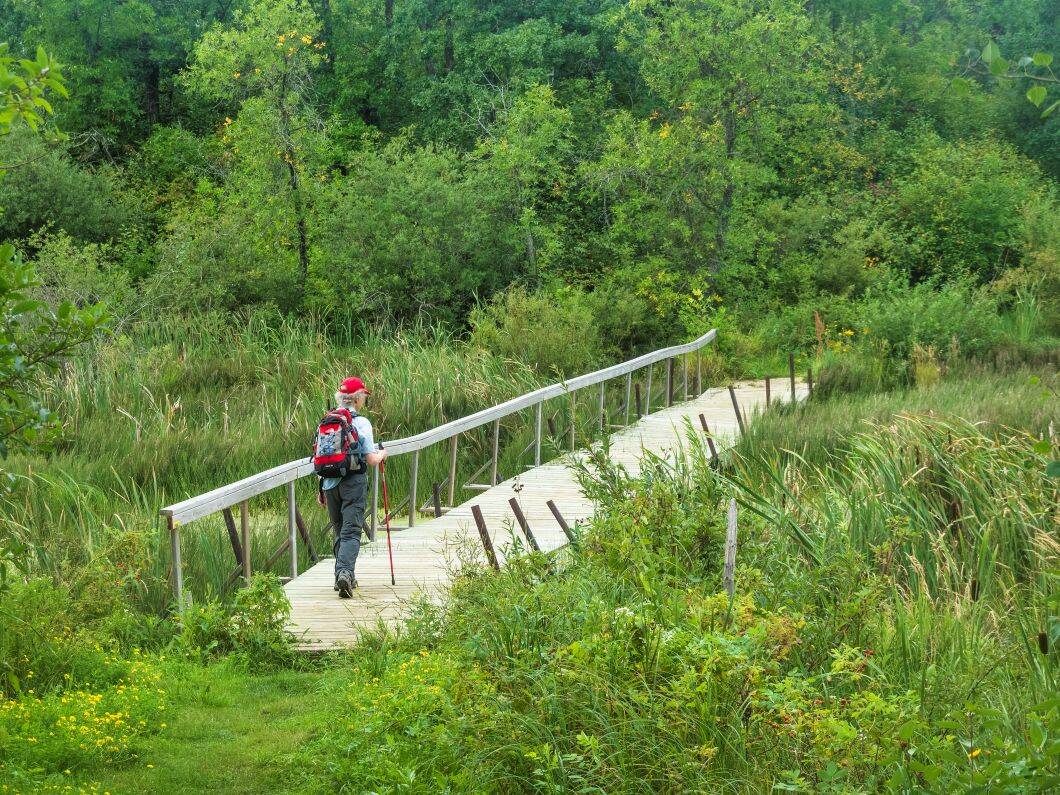
A few hikes start near Adam Lake, from short strolls to 15-kilometre loops. A unique walk is the Adam Lake Fitness Trail, a hike with exercise stations along the way.
Max Lake to the west has a smaller, more basic campsite while sites at Oskar Lake are only accessible to hikers, cyclists or canoeists. William Lake, a short drive east of Highway 10, has camping and one of the nicest beaches.
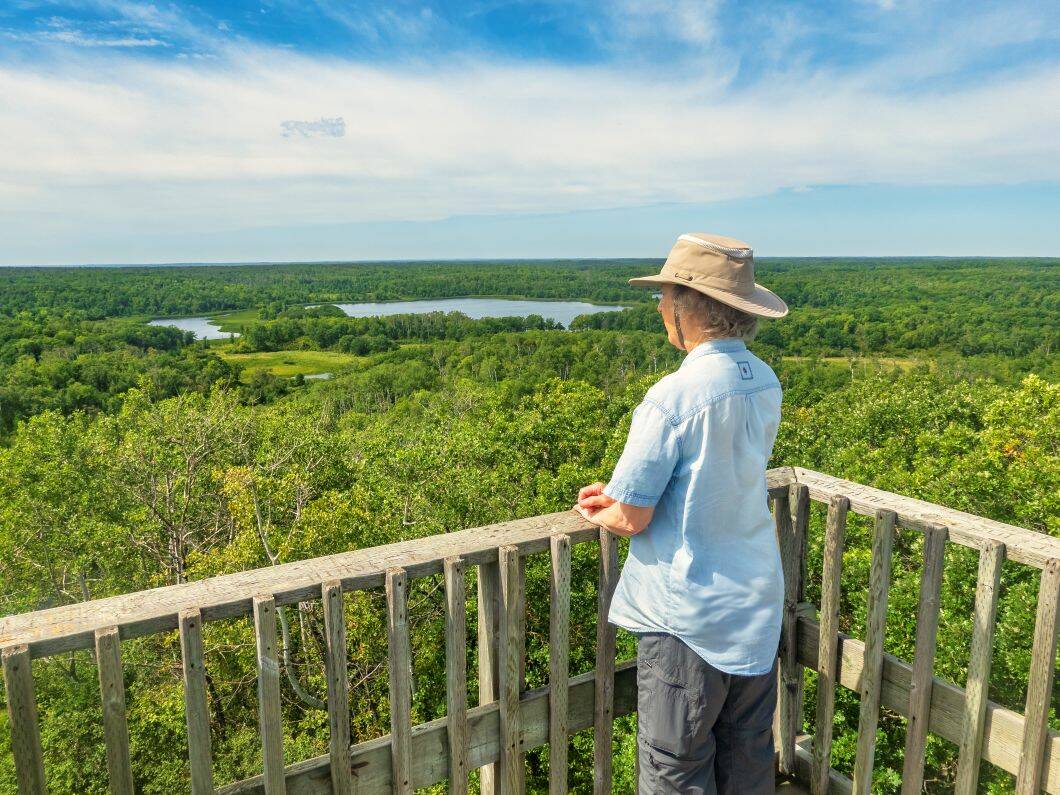
William Lake is the trailhead for the park’s signature hike, the Turtle’s Back Trail. Rated as intermediate difficulty, the 6.5-kilometre loop leads to the highest point in the hills. The walk goes mostly through forest, partially in the park but also crosses a community pasture. The steeper final section ends at a tower at the summit rising above the trees for unobstructed sweeping views in every direction.
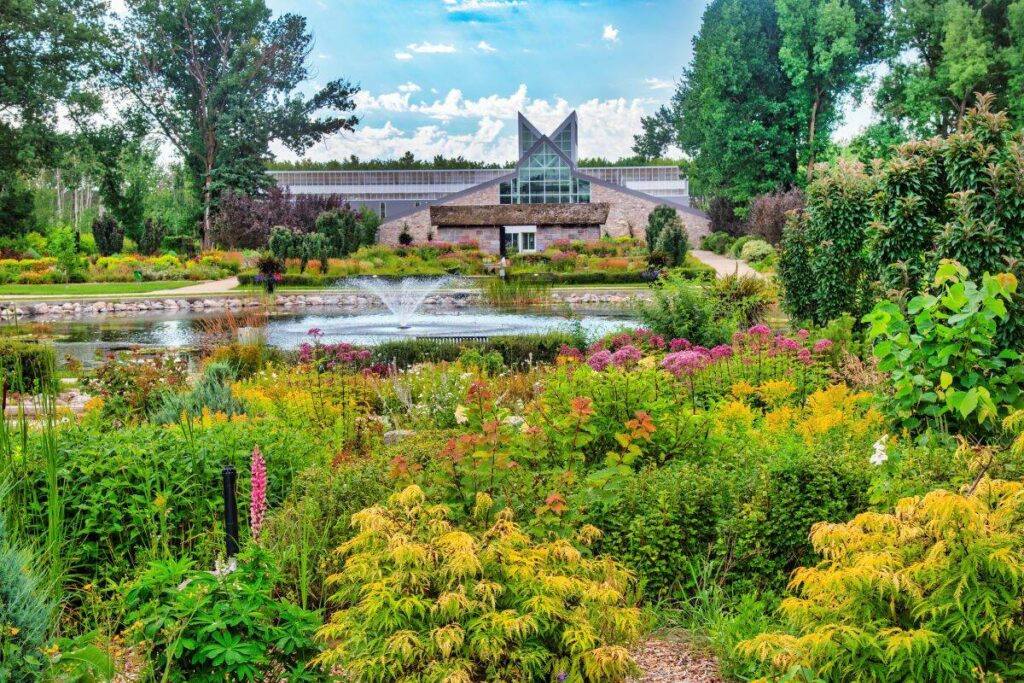
The most visited attraction in the area is the International Peace Garden, straddling the Manitoba/North Dakota border. The gardens are only a 15-minute drive south from Adam Lake campground.
Established in 1932, Peace Garden was intended as a symbol of peace and co-operation. While it might sound like a nostalgic notion in today’s political climate, this joint Canada/United States project still seems to be working.
Gardening associations originally spearheaded the concept. The location was chosen because it lies near the geographic centre of North America. Manitoba and North Dakota donated the land that covers about 2,400 acres.
The status of Peace Garden is unusual, almost operating like a separate country. We technically leave Canada with no border formalities, but don’t enter the United States, even though we travel freely on both sides of the border while in the gardens.
The exit road from Peace Garden meets the highway between the Canadian and U.S. border stations. We must go through Canadian customs and show passports when returning. The Peace Garden website indicates that a government-issued ID, such as a driver’s license, plus a birth certificate, would be acceptable as well.
Pathways wind between elaborate flower displays in the formal gardens featuring some 80,000 flowering annuals and perennials. The Floral Clock, with over 2,000 annual flowers, is a duplicate of the original Bulova Floral Clock in Berne, Switzerland.
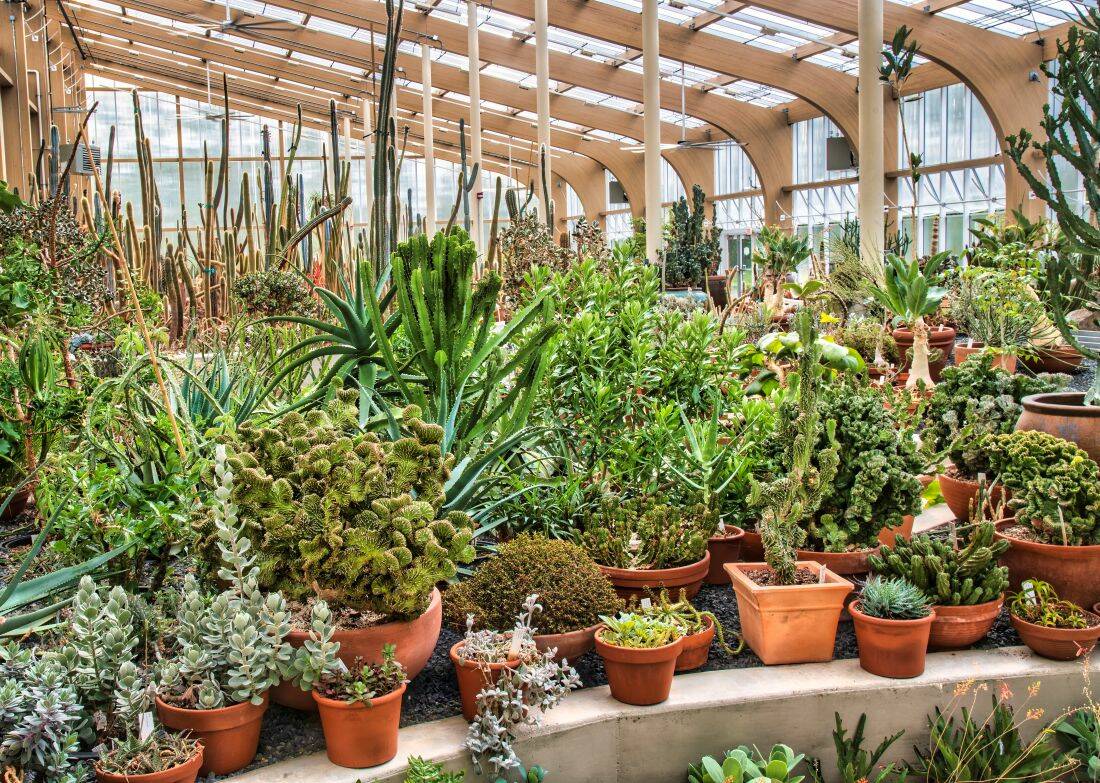
The equally impressive Conservatory houses one of the world’s most diverse indoor collections of cacti and succulents. There’s every kind of prickly plant you can imagine, including rare and endangered species.
Walking trails connect other points of interest, such as the Carillon Bell Tower, donated by a church in Brandon, and the Peace Chapel, inscribed with quotes on peace from world leaders. A sobering reminder of the 9/11 events is the memorial with displays of actual fragments of steel girders from the collapsed Twin Towers in New York.
Driving routes wind through the countryside with picnic sites and trailheads for cycling or for short hikes. We also pass the North American Game Warden Museum, dedicated to the work of game wardens and conservation officers in protecting natural resources. It was fascinating to see the many exhibits of illegal items including taxidermy animals, hides, antlers and more. Each has a story describing why and how it was confiscated.
Outside, the North American Game Warden Memorial is dedicated to officers who lost their lives in the line of duty. Names of fallen officers are engraved on granite monuments representing all provinces, states and federal agencies.
Combine the Peace Garden with a visit to Boissevain and wander through nature in Turtle Mountain to enjoy a pleasant few days in a surprising region that is off the beaten path for most tourists.
Arlene and Robin Karpan are well-travelled writers based in Saskatoon. Contact: travel@producer.com.

Source: producer.com