
Fertilizer markets tighten as Russian exports hit capacity limits
Moscow | Reuters — Fertilizer producers in Russia, the world’s largest exporter, will not be able to make up for a potential global shortfall linked to the U.S.-Iran conflict as their ability to boost supply is constrained, industry sources told Reuters on Friday.
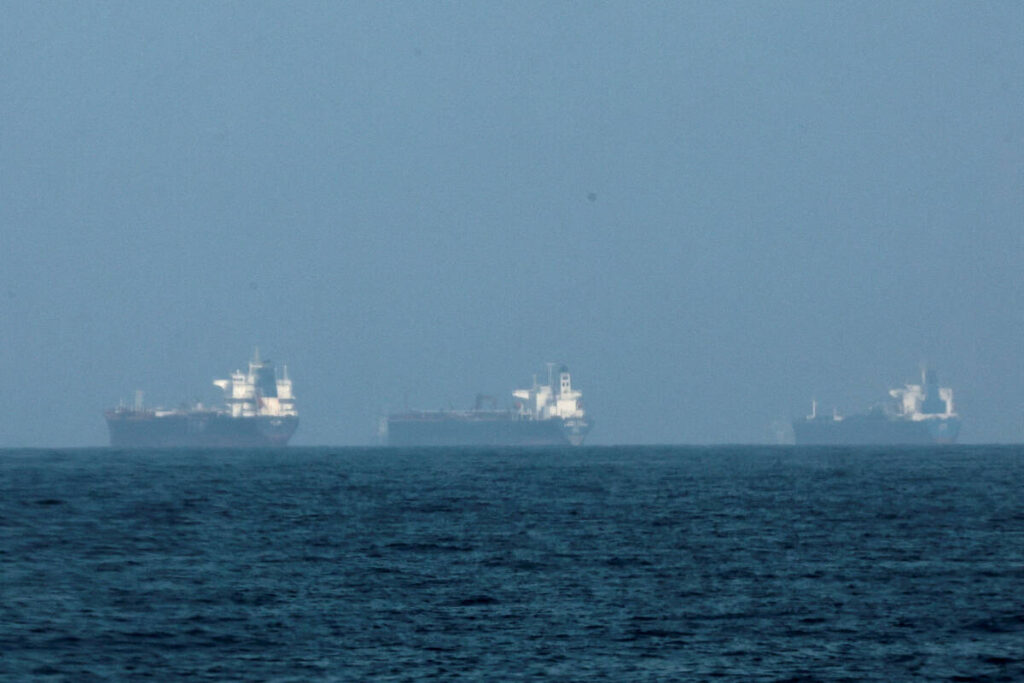
The war has shut down fertilizer plants in the Middle East and severely disrupted shipping routes via the Strait of Hormuz; conduit for about a third of global trade in fertilizers.
Russia accounts for about one-fifth of global fertilizer trade, but limited capacity, domestic export caps and recent Ukrainian attacks on major plants all constrain its ability to ramp up output, the sources said.
Read Also
Farmers see fertilizer price surge as Iran war blocks exports, threatening losses
The world’s farmers face soaring fertilizer and fuel prices as the war in the Middle East escalates, leaving some scrambling for supplies as the spring planting season approaches.
Domestic supply obligations
New export-oriented plants are not expected to come on stream before 2027, according to one source who spoke on condition of anonymity.
“Higher prices look great on paper, but Russian producers are boxed in by domestic supply obligations, especially ahead of the planting season,” said another industry source, who also spoke on condition of anonymity.
“And any windfall profits are likely to draw government attention as it looks for ways to boost budget revenues.”
A third source, also speaking on condition of anonymity, said companies are currently focused on meeting domestic demand.
“It may be possible to cover, over a short horizon, the demand left unmet without the Middle East, but in the long term it’s too large a volume to replace,” the source added.
A Ukrainian drone attack on Dorogobuzh, one of Russia’s largest fertilizer plants, owned by major producer Acron, on Feb. 25, has temporarily knocked out about five per cent of the country’s overall production capacity and killed seven people.
Dorogobuzh accounts for 11 per cent of Russia’s ammonium nitrate output and nine per cent of its NPK fertilizer production, a mixture of nitrogen, phosphorus and potassium.
One quarter of global trade by 2030
Russia, also the world’s top wheat exporter, introduced fertilizer export restrictions in 2021 to ensure sufficient supply on the domestic market.
Andrey Guryev, head of the industry lobby, estimated the gap between lower domestic and higher export prices at about 15 per cent during a meeting with Russian President Vladimir Putin in 2025.
He also told Putin that Russia is aiming to capture one-quarter of global fertilizer trade by 2030.
Russian fertilizer producers have been spared most Ukraine-related Western sanctions in order to ensure global food security, but face payment and logistical difficulties related to sanctions.
Brazil, India and China are the biggest buyers of Russian fertilizers, and it also exports to the U.S.
Shares in two of Russia’s publicly traded producers, Acron and PhosAgro, have risen modestly, by three per cent and four per cent, respectively, on the Moscow Exchange since the U.S. and Israeli attacks on Iran began on Feb. 28.
“A shortage of phosphate fertilizers, amid China’s export restrictions, the shutdown of sulphur production in Qatar, and tensions in the Strait of Hormuz, is a powerful driver for price increases in the market,” T-Bank analysts said in a research note.
“Against this backdrop, PhosAgro, as one of the key global suppliers, could strengthen significantly.”

Source: Farmtario.com