
Canola watches CUSMA talks | The Western Producer
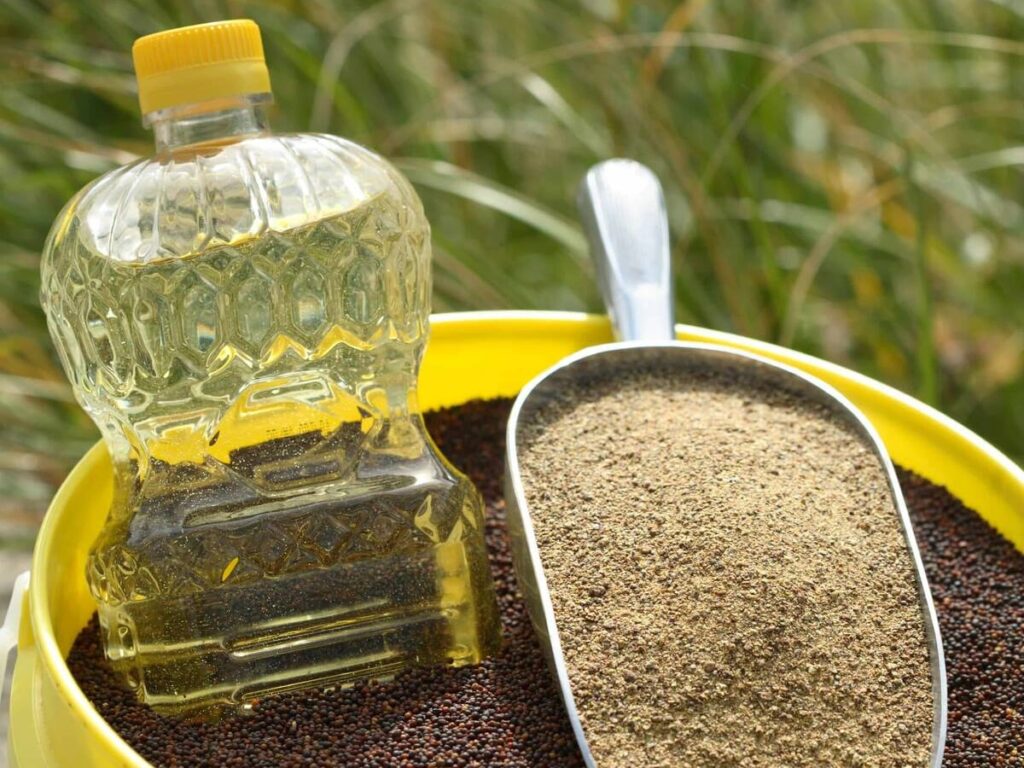
WINNIPEG — In 2019, about 56 per cent of Canada’s canola oil exports went to the United States.
By 2025, 78 per cent of canola oil exports (in tonnes) went to the U.S.
Oilseed crushers in Canada also depend on the U.S. for sales of canola meal.
Read Also

Public breeding urged for small acreage crops
WINNIPEG — It’s obvious to Rob Graf, and many others, that Canada needs a new system for varietal development of…
In 2024, 66 per cent of canola meal exports were shipped south of the border.
Given those stats and the size of the U.S. market, which was worth $5.7 billion in canola sales last year, Canadian growers and industry leaders will be carefully watching the upcoming review of the Canada-U.S.-Mexico Agreement.
On March 5, the Office of the U.S. Trade Representative (USTR) announced the first round of bilateral discussions to prepare for the joint review of CUSMA.
The discussions were between Mexico and the U.S.; Canada wasn’t involved.
Why it Matters: The countries are getting ready for the joint review of CUSMA, which is officially scheduled to begin July 1.
This tactic, of talking to Mexico and Canada separately, is possibly how the U.S. will approach the review, said Patrick Leblond, a professor at the University of Ottawa’s Graduate School of Public and International Affairs
“There’s the (option) we renew CUSMA, but the U.S. negotiates bilaterally with Canada, bilaterally with Mexico, and then they try to fit that within the existing CUSMA.”
Another option would be for the countries to make bilateral deals outside of CUSMA, Leblond said.
Many analysts, including Leblond, are deeply worried about the trade deal and potential outcomes. The Americans could pull out of CUSMA this summer and basically say the deal is invalid, he said.
“The Trump administration ultimately cannot be trusted…. We can negotiate, we can try to come to a deal, but we have no guarantee whether that deal will be respected.”
Others, including leaders in the canola industry, are more hopeful.
U.S. farm organizations are strong supporters of the trade deal, and their lobbying could be a difference maker in Washington.
“We see really positive support from agriculture, on both sides of the border, for the benefits of CUSMA,” said Brittany Wood, senior manager for transportation and trade policy with the Canadian Canola Growers Association.
Farm-level support is helpful, but there’s also established supply chains between canola crushing plants in Western Canada and users of canola oil in the U.S.
Mondelez International, a food manufacturer with headquarters in Chicago, is a major buyer of canola oil for its line of snack foods, including Ritz crackers.
That’s just one example. Canola oil is the No. 2 edible oil in the U.S. market, says the Canola Council of Canada.
“We’ve traded canola oil into the United State, for decades … bottled oil, packaged food, restaurant use.” Wood said.
There’s also demand from the U.S. biofuel industry, which relies on canola oil to produce biodiesel and renewable diesel.
If there was a disruption in canola oil exports because Trump crushed CUSMA, the American market would be extremely difficult to replace.
However, there are positive developments within Canada.
Domestic use of canola oil has been increasing and is expected to climb in future years.
“In 2021, we had about one million tonnes of canola oil staying here in Canada,” Wood said.
Last year, the amount was around 1.6 million tonnes, thanks to additional demand from biofuel production.
Wood hopes that trend continues, but it will require regulations that encourage biofuel production and use in Canada.
“That is where we see the growth opportunity.”
There is also the matter of China.
From 2016-20, canola crushers exported 700,000 to 1.1 million tonnes of canola oil to China.
Since 2022, the annual volume has been around 120,000 tonnes, depending on the year.
It’s possible that canola oil shipments to China could be restored because the federal government is determined to renew its relationship with the Asian country.

Source: producer.com