Saskatchewan announces elk depredation program
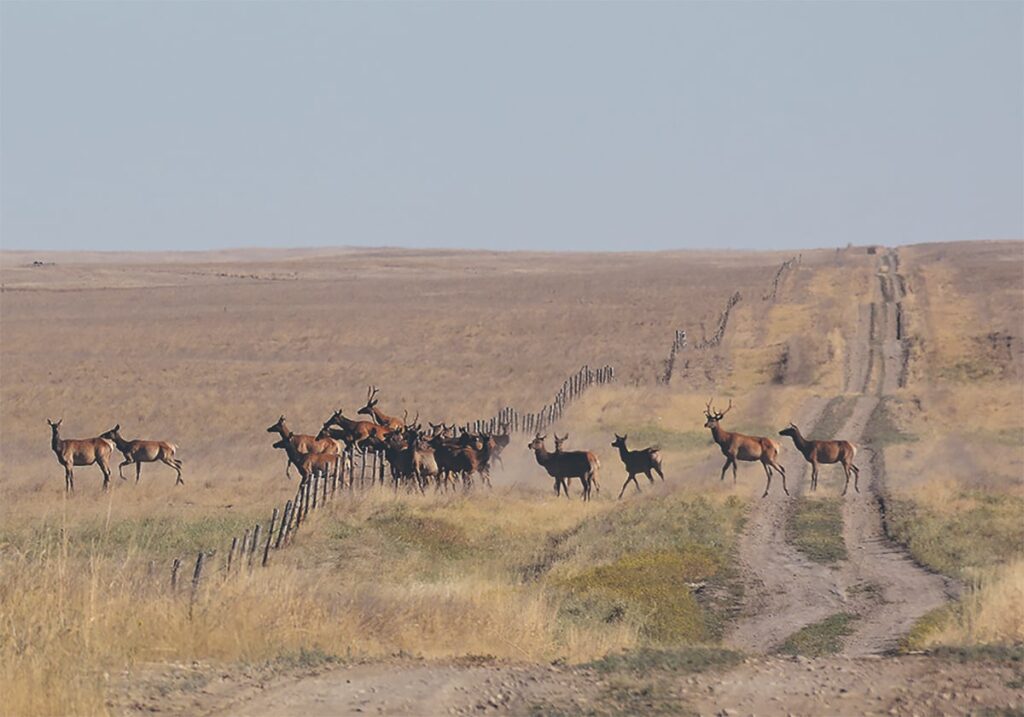
REGINA — The Saskatchewan government has announced an elk depredation program for 2027.
Environment minister Darlene Rowden and agriculture minister David Marit shared details ahead of the Saskatchewan Association of Rural Municipalities annual convention March 10.
Producers who have a claim history with Saskatchewan Crop Insurance Corp. for elk damage will be able to get eight depredation permits each at no cost.
Read Also

Canola watches CUSMA talks
Talks to review the Canada U.S. Mexico Agreement are starting to get underway. Continued access to the U.S. market for canola oil and meal, worth $5.7 billion in 2025, will be critical for Canada’s ag sector
“If the producer is not a hunter themselves a family member or friend can be designated to remove the elk as long as they are a Saskatchewan resident and can legally hold a hunting license,” Rowden said.
The permits will be used from Jan. 15 to March 31, 2027, and can only be used on the land where the elk damage is occurring.
Information on who is receiving the permits will not be released, and the HAL licensing system for hunters will not be used. Tags will be issued by SCIC field offices.
Producers must report on the success of the permits and are expected to use the meat. Rowden also said producers will have to commit to implementing other measures such as fencing.
After next March, the program will be re-evaluated.
Rowden said the Saskatchewan Wildlife Federation was “not happy” about the permits, but neither is she.
“I wish this problem wasn’t happening, but they did seem understanding of why I was doing this,” she said.
Several hundred complaints are made each year about elk, and some herds as are as large as 300 or 400 head. Problem areas are in the east-central area and northwest of Prince Albert.
Marit said he’s heard from cattle producers who roll out bales, and the elk numbers match the cattle the producer is trying to feed.

Source: producer.com