
Middle East conflict sends ammonia prices higher
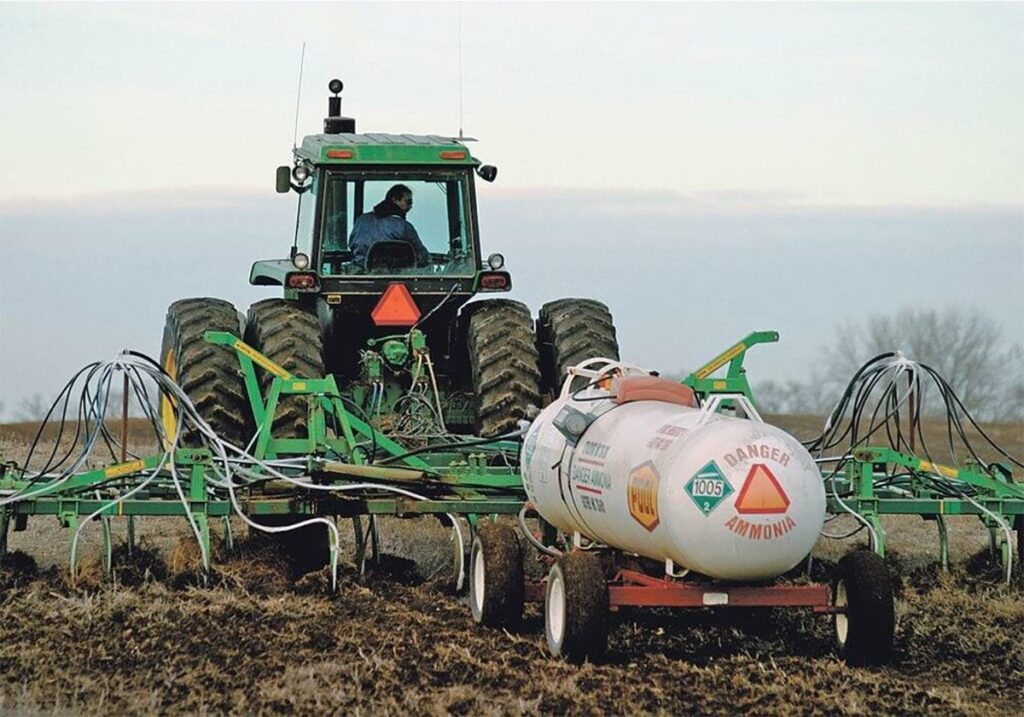
SASKATOON — Ammonia fertilizer prices are rising due to conflict in the Middle East, and further increases are anticipated, says an analyst.
Prices in Europe and the Middle East rose by about US$50 per tonne in early March with the first significant spot sale into northwestern Europe trading at $750 per tonne cost and freight for mid-March delivery from North Africa.
“Further gains are widely anticipated on expectations for a prolonged disruption,” Ruth Sharpe, global editor for ammonia with Argus Media, said during a recent webinar.
Read Also
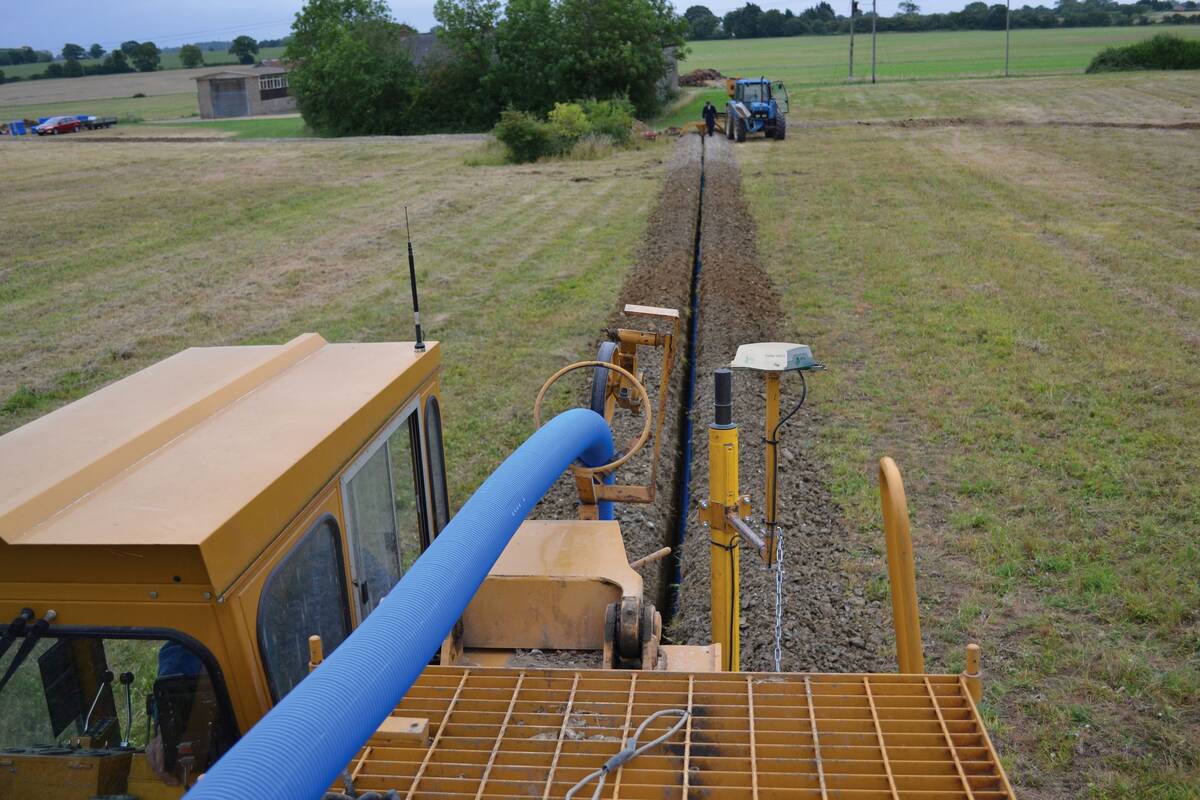
WM-FieldForm system debuts as an upgrade
An increasing number of Prairie farmers seem to have turned their attention to improving field drainage. PTx Trimble has an updated system to make that process even simpler.
Prices were already starting to firm in 2026 due to a tightness in supply when war broke out in Iran.
The Middle East accounts for 23 per cent of global ammonia trade, shipping out 4.2 million tonnes of the product in 2025.
Why it Matters: Spring planting is around the corner for growers in the Northern Hemisphere.
Production from Saudi Arabia, Qatar, Bahrain, the United Arab Emirates and Iran has been cut off from the global market. Oman is the only country in the region capable of near-term shipments.
Three ammonia vessels that were partially or fully loaded at the time hostilities broke out were unable to exit the region. Another six en route had to be diverted.
Production has also been sharply reduced in Trinidad, which is the world’s largest exporter of ammonia.
Nutrien shut down its plants in the country in October 2025 due to a dispute with the government over port access and the lack of reliable natural gas supply.
That reduced Trinidad’s exports by nearly 40 per cent.
Nutrien is negotiating with Trinidad’s government. If the situation is resolved, it could return one million tonnes of supply to the export market.
However, there is another market that could be an even bigger help.
“A meaningful increase in U.S. Gulf exports would be one of the few options capable of offsetting a portion of the (Middle East) shortfall,” said Sharpe.
Gulf Coast Ammonia is commissioning a new facility in Texas City, Texas, while Woodside Energy’s new plant in Beaumont, Texas, is targeting its first exports in April.
Those two new plants will eventually contribute up to two million tonnes per year in exports once production ramps up.
Southeast Asia and China could also add some tonnes on the spot market.
Sharpe said ammonia prices are also being influenced by the European Union’s carbon border adjustment mechanism, which was implemented Jan. 1, 2026.
That is adding about $75 per tonne to the price of imported ammonia in that region due to higher compliance and carbon costs.
It is also leading to delayed purchases because there is considerable uncertainty surrounding implementation details of the program. EU member states are hoping to sort out those details by July.
Sharpe said the current situation is reminiscent of 2022, when ammonia prices shot up above $1,600 per ton due to sanctions removing Russian supplies from the market following its invasion of Ukraine.
That took about the same number of tonnes out of the market.
However, she doesn’t think prices will get anywhere near that high this time because of the new U.S. supplies coming online.
India will be the market most affected by the Middle East shortfall. It purchases about two million tonnes per year from the region.
“Market concerns are growing over possible shortages ahead of the kharif season, should the blockade extend into June,” she said.
South Korea, Morocco, Turkey and South Africa are other big buyers of Middle East ammonia.

Source: producer.com