
Mess during meal prep | The Western Producer
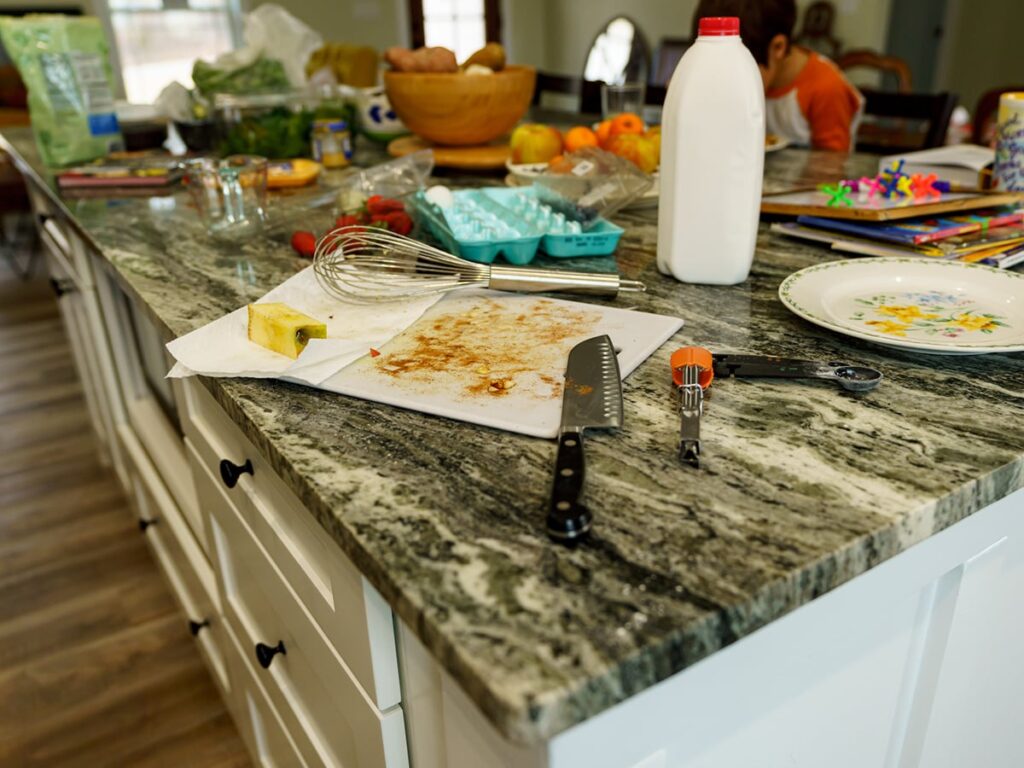
My partner Dave and I have diametrically opposite kitchen styles.
When Dave cooks these days, he is a single-track worker, focusing on one task at a time. He leaves tools and utensils on the counter, and peelings in the sink. After we eat our cereal and drink our coffee, he doubles back into the kitchen to wipe counters, put away ingredients and compost, and sweep dirty cutlery, pots and dishes into the sink for washing.
On the other hand, I do move more quickly than Dave, but I also integrate tidying into the cooking process — the famous “clean as you go” philosophy that drives professional kitchens where space and time are tight.
Read Also

Realtor watches retired farmers’ land decisions
Retired farmers own and rent about 11 million acres of land in Saskatchewan. If a percentage decide to cash out, it could shift the farmland market in the province
I wipe the butcher block right after chopping anything, wash and dry my knives as soon as I am done using them, return jars to the cupboard, spices to the whirligig beside the stove, rinse and stack dirty dishes, and wash utensils when I’m done with them. I like to walk into the dining room knowing that the kitchen has been cleaned and put to bed, ready for its next use.
Dave reminds me that he’s been cooking cereal for more years than I have, and that I spent years working as a professional chef. So, he puts our differences down to age and training. But new psychological research centred on the kitchen is casting light on human behavioural patterns and what they reveal about our internal makeup, specifically regarding how and when we clean when cooking.
It’s interesting to realize that my putting-away/tidying-up pattern, which Dave says verges on obsessive, may be rooted in what psychologists call “low tolerance of visual noise” (read “clutter”) and “emotional self-regulation.” An empty sink and tidy counter and butcher block contribute to my sense of calm and reinforces my sense of being in control of my environment in an otherwise chaotic world.
Similarly, my habit of washing and drying my knife and immediately hanging it on the magnet may have its roots in my “future orientation” and “future self-compassion,” wanting to spare myself the effort and stress of work to be done later, eliminating the worry of my knife perhaps being damaged or too sticky to easily clean if I leave it on the butcher block. It may also be linked to my having a “consistent effort mindset,” wherein I’ve adopted an attitude of “just get ’er done” to everyday work.
Another way to view “clean as you go” is to view it as “task integration” where the process, the invisible, unglamourous labour of the cook’s world, is valued as much as the outcome of a stupendous meal or breathtaking birthday cake.
There is a rhythm and flow to cleaning up, a mindfulness that arises from this ritual of self-respect, that can be as rewarding as that cake, with fewer calories. Regardless of our patterns, Dave and I both get the kitchen cleaned up and ready to rock’n’roll before the next meal arrives, with new messes to be made.
So sometimes, first we eat; sometimes, first we clean.
Olive Aioli
Use this anywhere a mayo with gusto is needed: with roasted flank steak, lamb, burgers, falafel, tacos or as a dip. Use raw or cooked garlic, as preferred. Makes about one cup.
- 1 egg yolk
- 1 tbsp. grainy Dijon mustard
- 1/2 lemon, juice only
- 4-6 cloves garlic, pureed
- 1 to 1 1/2 c. extra virgin olive oil
- 2-3 green onions or a handful of chives, minced
- 2 tbsp. minced parsley
- 1 tsp. minced fresh rosemary
- 1/2 c. minced Kalamata olives
- 2 tbsp. capers
- hot chili flakes to taste
- salt to taste
- 1 tbsp. red wine vinegar (optional)
Vigorously whisk egg yolk, mustard and lemon juice in a non-reactive bowl (i.e., made from a material such as stainless steel or glass that does not chemically interact with acidic or alkaline ingredients). Slowly drizzle in oil, whisking to emulsify. Add remaining ingredients, balancing flavours at the end. Cover and chill.
Tapenade
Strictly for olive aficionados, this is terrific on crackers, lamb burgers, halibut, salmon, pork, and anything eggy, like an omelet or frittata. You may wish to fry or roast the garlic first. Makes one cup
- 1 c. pitted olives (Kalamata, oil-cured or green)
- 1/4 c. capers
- 4 garlic cloves
- 4 anchovy filets
- 1/2 tsp. minced fresh thyme
- 2 tbsp. minced fresh parsley or basil
- 1/2 c. olive oil
- 1/4 c. lemon juice
Combine all ingredients except oil and lemon juice in a food processor and pulse until finely chopped. Add oil and lemon juice to taste.
Lamb Burgers
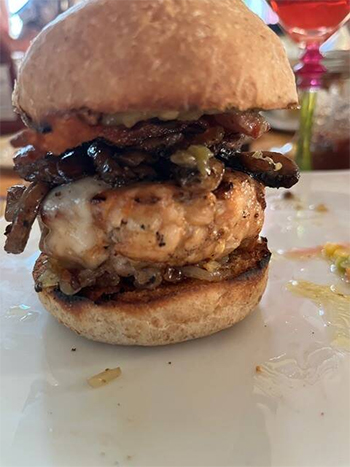
These messy wonders have a lovely herbal undertone. Serve them broiled, fried or grilled with sautéed mushrooms, onions, melted Jarlsberg, olive tapenade and aioli on crusty rolls or grilled slabs of garlicky focaccia. Use chicken, turkey, pork or beef if lamb isn’t your tipple. Makes about eight regular-sized or 14 “slider-sized” burgers.
- 2 lb. ground or finely chopped lamb
- 1 egg
- 2 tbsp. fine breadcrumbs
- 3 tbsp. pomegranate molasses
- 4 cloves garlic, minced
- 2 tbsp. each minced spearmint, chives and parsley
- 1 tsp. minced rosemary
- 1 onion or 2 shallots, minced
- 1/2 c. grated carrot
- 2 tbsp. chopped capers
- 1/4 c. toasted finely chopped walnuts (optional)
- 1/4 . chopped olives
- 1 orange, zest only
- salt and freshly cracked pepper to taste
Mix all ingredients gently and shape into patties. Grill, broil or fry. Garnish to taste.

Source: producer.com