

Pre-weaning respiratory disease studied in beef calves
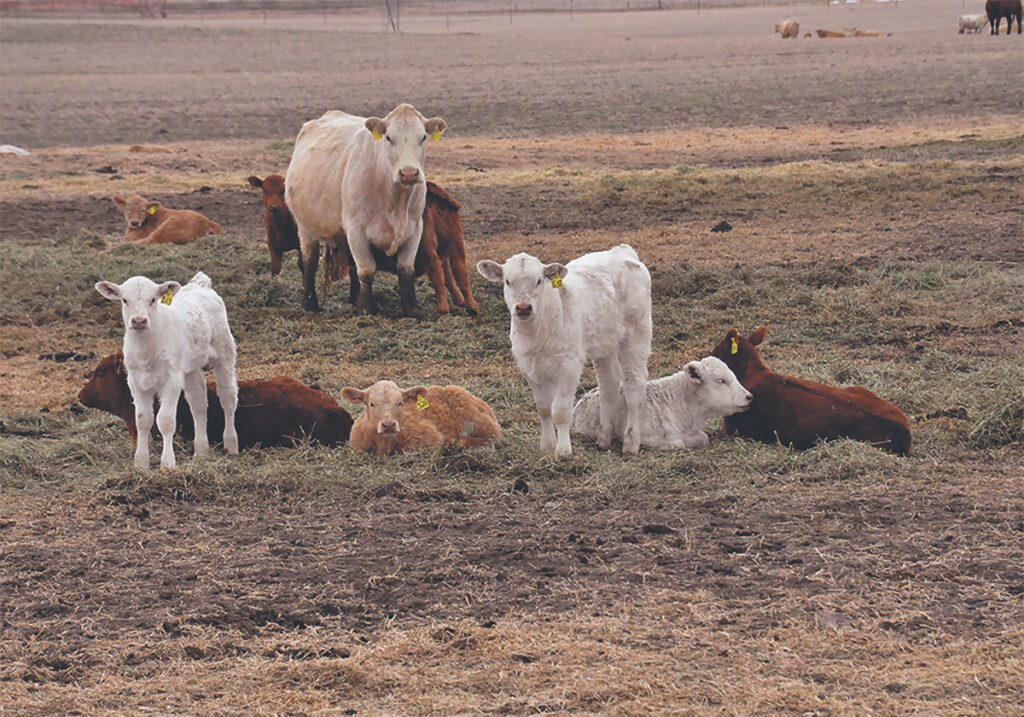
When we think of bovine respiratory disease in beef cattle, we often think of the “shipping fever” pneumonias that occur in weaned calves shortly after arrival in the feedlot.
Respiratory disease is the most common cause of death of feedlot cattle, and a great deal of the research has been focused on it at this stage of production.
However, BRD is also the most common cause of death for nursing beef calves older than three weeks, and much less is known about the syndrome in this age class.
Read Also

Get the best air in your hog barn
Farmers who pay more attention to ventilation, humidity, air pressure and temperature in the hog barn can get pigs gaining weight faster and keep them comfortable
However, like the disease we see in feedlot calves, we know that BRD in pre-weaned calves can occur because of exposure to a variety of viruses and bacteria as well as many risk factors such as immunity, insecurity issues and stress.
In the most recent edition of the Canadian Veterinary Journal, Dr. Nathan Erickson and colleagues published a clinical trial that focuses on one aspect of the neonatal vaccination question in beef calves — specifically, does vaccination with a bovine coronavirus vaccine prevent respiratory disease in a commercial cow-calf herd with a history of BRD treatments in young calves?
Bovine coronavirus has been suspected as a virus that may be involved in some of these BRD outbreaks, and this trial examines whether some of the current commercial vaccines can reduce the number of calves that need to be treated.
Erickson and his team performed the trial on 887 mixed-breed calves born from Feb 16 to May 28 at a commercial ranch in Alberta.
This ranch had a history of previous outbreaks of BRD in calves aged 10 to 50 days. The cow herd was routinely vaccinated annually with a modified live virus vaccine for IBR, BVD, BRSV and PI3 viruses, which is typical in many cow-calf operations.
At birth, calves were randomized into two groups for comparison.
The bovine coronavirus group (447 calves) received a three millilitre intranasal dosage of a modified live bovine coronavirus/rotavirus vaccine (Calfguard, Zoetis Canada) within 12 to 24 hours after birth.
The control group (439 calves) did not receive the intranasal coronavirus vaccine at birth.
It should be noted that although this is a common commercially available vaccine, it has not been approved for intranasal use, although it has been used in this manner in other studies.
Both vaccinated and control calves received a modified live intranasal vaccination containing IBR, PI3 and BRSV shortly after birth, which was the routine vaccination strategy on this ranch.
At approximately 49 days of age, calves in both groups were given their routine pre-turnout vaccinations, which included a modified live viral vaccine for IBR, BVD, BRSV and PI3 virus along with mannheimia hemolytica bacterin and a clostridial vaccine that contained hemophilus somnus.
The bovine coronavirus vaccine calf group also received an intramuscular booster dose of the same vaccine they were given at birth intranasally.
The researchers monitored how many calves received treatments for respiratory disease.
Calves were treated if they had two of the following clinical signs: lethargy, drooping ears, cough, nasal discharge, respiratory distress or a rectal temperature greater than 39.9 C.
They also recorded which calves died, although post-mortems were not performed, and the ranch staff recorded calf weights at the time of weaning.
Within the bovine coronavirus vaccine group, they had to treat 16 per cent of the calves for BRD, and within the control group they had to treat 22 per cent of the calves for BRD. This difference was statistically significant, which means that is probably not just due to chance.
The researchers also found a reduction in mortality in the coronavirus vaccine group but only within the calves born in the second cycle.
Finally, the calves in the coronavirus vaccine group were two kilograms heavier at weaning than the control group.
This is a great example of a clinical trial that is performed on a commercial herd situation that helps to answer a very specific question about vaccine strategy.
These types of studies in cow-calf herds are few and far between, and Erickson and his team should be congratulated for their hard work in producing this research.
Like any trial, it isn’t perfect and has a few flaws, but the information we get from these types of studies is invaluable.
This vaccination strategy with a coronavirus-rotavirus vaccine appears to have some efficacy in certain situations where neonatal respiratory disease is a problem.
It doesn’t eliminate the BRD problem, but it does lessen the number of calves needing treatment and seems to have some impact on death loss and weaning weights.
Coronavirus may have been one of the viruses that was a factor in this herd’s BRD outbreak.
As always, speak to your veterinarian about the best strategy for vaccinating your own herd.
This vaccine strategy may have value in this herd with an ongoing calf BRD problem but may not be suitable for all situations. Your veterinarian is the most reliable source for providing you with a tailored vaccine program for your herd’s situation.

Source: producer.com