

FSA report highlights future food technologies set to reshape UK diets by 2035
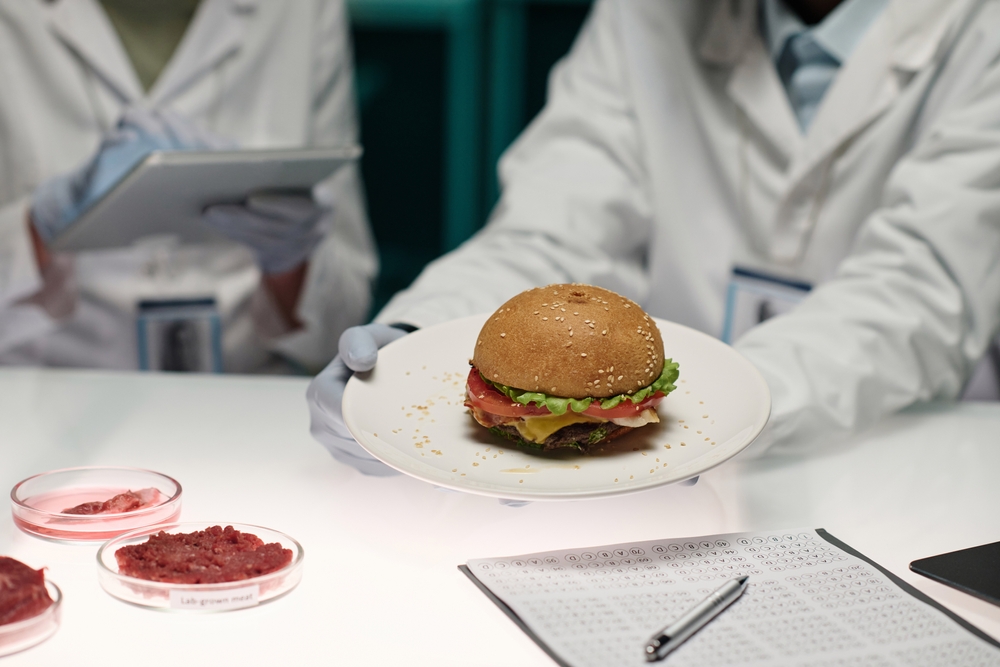
FSA and FSS report identifies emerging food technologies likely to reach UK consumers within a decade, signalling regulatory priorities ahead.
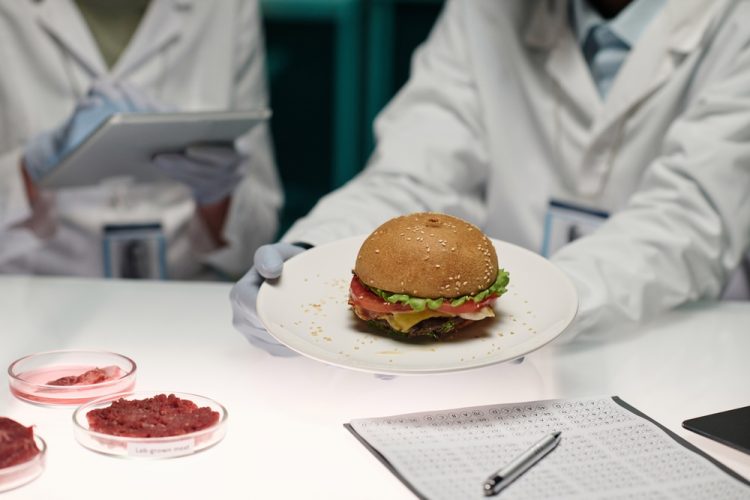
Cell-cultivated meat, fermentation-derived proteins and vertically farmed crops could become part of everyday UK diets within the next decade, according to a new report from the Food Standards Agency (FSA) and Food Standards Scotland (FSS). The Thematic Report on Emerging Food Innovations identifies the future food technologies most likely to reach UK consumers by 2035 and outlines the regulatory and food safety challenges they could create across Great Britain.
Designed to help industry and regulators prepare for rapid innovation, the report highlights where risk assessment, scientific capability and regulatory frameworks will need to evolve as new food categories approach commercialisation.
The agencies say early engagement with innovators will be critical as new food technologies move closer to market.
Dr Thomas Vincent, Deputy Director of Innovation at the FSA, said:
Emerging technologies are reshaping how our food is produced and sourced.
This report gives industry and government clear sight of what is coming, and what is required to ensure these products meet the UK’s high standards.
The FSA and FSS’s remit is central to delivering these ambitions and by working early with innovators, we can support safe, responsible growth and build consumer confidence in the foods of the future.”
Technologies moving closer to market
The report identifies several innovation areas expected to have the greatest impact on food production over the coming decade.
Controlled environment agriculture (CEA), commonly known as vertical farming, enables crops to be grown indoors in tightly managed conditions where lighting, temperature and nutrients are precisely controlled.
Fermentation is also gaining momentum. Precision and biomass fermentation use microbes to produce protein-rich biomass and functional ingredients that could support next-generation alternative proteins.
Cellular agriculture, including cell-cultivated foods, represents another fast-developing category, producing foods without traditional livestock farming or crop cultivation.
Edible insects are also highlighted as a potential protein source, either sold whole or incorporated into foods as powdered ingredients.
Alongside these nearer-term developments, the report identifies earlier-stage technologies that could shape the longer-term food system. These include molecular farming, which uses plants or plant cells to produce ingredients such as proteins and enzymes, and gas fermentation, which converts captured carbon dioxide or industrial gases into single-cell proteins.
More conceptual technologies – including 3D food printing and reverse food manufacturing, which extracts nutrients from food by-products to create new ingredients – remain on a longer-term watchlist.
Preparing regulation for future foods
The report is part of wider efforts to ensure UK regulation keeps pace with emerging food technologies. The FSA and FSS developed it through the Market Authorisation Innovation Research Programme (IRP), funded by the Department for Science, Innovation and Technology. The programme complements the Cell-Cultivated Products Regulatory Sandbox launched in March 2025, which enables companies developing cell-cultivated foods to engage with regulators before submitting formal applications.
Evidence gathered through surveys and focus groups also informed the report, ensuring regulatory planning reflects public questions and concerns around emerging food technologies. The work forms part of a broader effort to ensure the UK is ready for the next generation of food technologies as they move from lab to plate.
Source: newfoodmagazine.com