

For the Gains
Protein is showing up in every aisle as consumers want it for every day
By Carly Peters
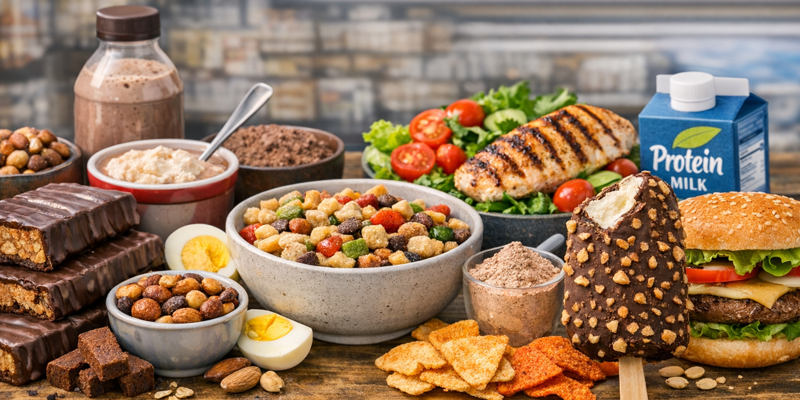
Whether you’re browsing the cereal aisle, opening the ice cream freezer, or walking past candy end caps, one thing is impossible to miss: everything is packed with protein.
Once associated with athletes chasing muscle (and drinking chalky shakes), mainstream consumers are looking to add this essential macronutrient into their everyday. In fact, approximately 71 per cent of Canadian consumers reported wanting to eat more protein, according to a 2025 Nourish Food Marketing report.
But it’s not those aforementioned pasty powders. Today’s customer is looking for protein that provides function, quality, convenience, and integration into everyday routines.
This shift has changed the game for food and beverage brands, turning the question “should we add protein” into how we deliver it in a format that meets evolving consumer tastes and needs.
Canadian Health Food Association members are approaching protein innovation from several angles, particularly by integrating protein into everyday foods in more creative and accessible ways. Lynsey Walker, vice-president of marketing and communications for the CHFA, points to Fromage Protein Pops, which won the 2026 CHFA Launch Pad competition for most innovative product at the association’s recent CHFA NOW Vancouver show. The brand reimagines the frozen dessert category by using cottage cheese as the primary ingredient, delivering around 11–12 grams of natural protein per pop with less sugar and no artificial sweeteners.
“This kind of innovation reflects a broader trend we’re seeing across our membership and the industry: protein appearing in categories where consumers might not traditionally expect it, from indulgent treats to everyday snacks,” says Walker, noting beyond frozen desserts, brands are also developing protein coffees, high-protein bakery items, and clean-label formulations that focus on taste, digestibility, and minimal processing. The result is a wave of products that deliver functional nutrition while still meeting consumer expectations for flavour and convenience.
Walker adds, one important nuance is that while protein demand is strong, consumers are increasingly discerning about quality, looking beyond simple “high protein” claims to understand ingredient sourcing, digestibility, and how a product fits into a balanced diet.
“That’s where the natural, organic, and wellness industry continues to lead by developing products that deliver meaningful nutrition with thoughtful ingredients,” she says. “For retailers, the opportunity isn’t just to offer more protein, but to offer better protein options that align with evolving consumer expectations around health, transparency and sustainability.”
Eat your Peas
Current data from Agri-Food Analytics Lab at Dalhousie University notes that flexitarians – Canadians who prioritize plant-based foods but still consume meat and fish – rose from 4.6 cent in 2024 to 5.5 per cent last year.
Flexitarians are a key driver of the expanding plant-based protein category, says Leslie Ewing, executive director of Plant-Based Foods of Canada, as they are typically looking to diversify their protein intake rather than eliminate traditional options.
Canada’s strength in crops such as peas, lentils, oats, and canola is fuelling innovation across the food industry, from ingredient processing to finished food products, expanding the range of protein-packed, plant-based options for consumers to place within their everyday grocery basket.
Ewing says dairy alternatives remain one of the most established segments and an important area of innovation, alongside emerging plant-based protein snack products. And while across all categories, food companies are focusing on enhancing taste and texture, there is also growing attention to overall dietary balance as shoppers take a more holistic view of health.
“We’ve seen a lot of enthusiasm from people who want protein, but also fibre, vitamins and minerals, probiotics, and other essential nutrients,” says Edward Lalonde, CEO of Good Protein. “As nutritional information becomes more easily accessible online, people discovered that not all nutrients are the same – not all protein is equal, for example, are you getting your essential amino acids?
The wholesome approach of plant-based proteins has also made the category more accessible to Canadians. Take, for example, the contrast between plant-based protein and whey, explains Lalonde. For decades, whey has dominated the market, but it can cause bloating, which makes it a suboptimal option for a lot of people. “We opted for a plant-based protein that meets nutritional demands, without alienating people.”
Even with almost every aisle touting this macronutrient, Lalonde says, when looking at the Canadian market compared to other countries, we’re just scratching the surface.
In other words, prepare for protein and protein-plus products to continue muscling their way into everyday eating.
-30-
Putting Protein on the Floor
For grocery retailers, the protein push has meant rethinking shelf strategies and expanding footprints for protein‑boosted staples and products consumers already use and love.
“Retailers have an opportunity to think about protein as a cross-category merchandising strategy rather than a single aisle,” explains Lynsey Walker, vice-president of marketing and communications for the CHFA. “Consumers are looking for protein throughout the store, from breakfast and snacks to ready-to-drink beverages, so highlighting these options through signage, secondary displays, and curated sections can help shoppers easily discover them.”
Opening up merchandising opportunities allows customers to see protein as a weekly addition to their grocery cart that sits alongside snacks, desserts, breakfast foods, and other essentials.
Clear shelf communication for shoppers around functionality and ingredients is also key, notes Leslie Ewing, executive director of Plant-Based Foods of Canada. “Knowing that consumers are looking to diversify their protein options, plant-based proteins should be easy to find and presented as accessible options within the broader protein category.”
-30-
Why Are We Buying Into Protein?
According to InSight’s report Protein in 2026: Why the Protein Boom Isn’t Slowing Down — It’s Evolving, historically, protein products have skewed heavily toward athletes. While that audience remains important, protein’s current consumer base is broader and more diverse than ever.
Protein is now positioned as:
- A tool for satiety and weight management
- A support for muscle maintenance and healthy aging
- A functional addition to everyday hydration and snacking
- A companion to emerging health behaviours, including GLP-1 usage
This shift has pushed protein beyond powders and shakes and into convenient formats that fit seamlessly into consumers’ everyday.
-30-
For Every Aisle: New protein products across all categories
Pour your Protein
Fuel your mornings with Silk Protein, a new plant-powered beverage with 18 grams of protein and only six grams of sugar. Proudly made in Canada, it offers twice the protein and half the sugar of regular 2% milk, plus 10 essential nutrients, including Omega-3. Available in regular and chocolate, it’s an easy way to power up your day, whether you add it to cereal, smoothies, or enjoy it on its own.
One for the Road
OIKOS Pro new Caramel Macchiato High Protein Drinkable Yogurt is the brand’s first coffee-flavoured drinkable yogurt. Crafted for those seeking a delicious and rewarding experience, the drink is ideal for post-workout recovery or a quick snack during the day, offering a delightful caramel coffee taste.
Let it Crumble
Level up your weeknights with Taco Tuesday Crumblz. Offering up 64 grams of protein plus gut-healthy prebiotic fibre, it’s also delicious in burritos, bowls, pasta, and more. Or try the umami-rich Mushroom Boost, also featuring 64 grams of protein and prebiotic fibre. Made with a special blend of organic functional mushrooms and adaptogenic herbs for natural energy, focus, stress relief, and immune support.
Pop the Protein
ProPOP is a proudly Canadian-made and female-founded sparkling water delivering 20 grams of complete protein in a refreshing, non-milky format. Each 355 mL can contains just 100 calories and four grams of sugar, crafted with only five simple ingredients, including whey protein isolate and collagen peptides. Designed for busy, health-conscious consumers, ProPOP offers a light and crisp alternative to traditional protein shakes without artificial sweeteners or colours.
Proteinly Canadian
With 13 grams of protein per serving, Nordica Cottage Cheese is a protein powerhouse, delicious on its own and just as versatile in sweet and savoury recipes. Made with 100% Canadian dairy, Nordica is packed with essential nutrients like calcium and vitamin D, and is available in a variety of formats, including lactose‑free. As a leading brand from Gay Lea Foods – a Canadian, dairy farmer‑owned co‑operative – every purchase of Nordica supports Canadian dairy farming families.
MMMMaple
Good Protein is serving up pure Canadian nostalgia with its brand-new Maple Cookie All-in-One Shake. This Canadian-made shake combines the taste of a buttery cookie, layered with maple fudge and creamy vanilla. One sip feels like a cozy sugar shack moment but provides 21 grams of protein and seven grams of fibre, all while being non-GMO, vegan, gluten-free, dairy-free, and keto.
The post For the Gains appeared first on Western Grocer.
Source: westerngrocer.com