

Exports through Port of Vancouver reach record levels
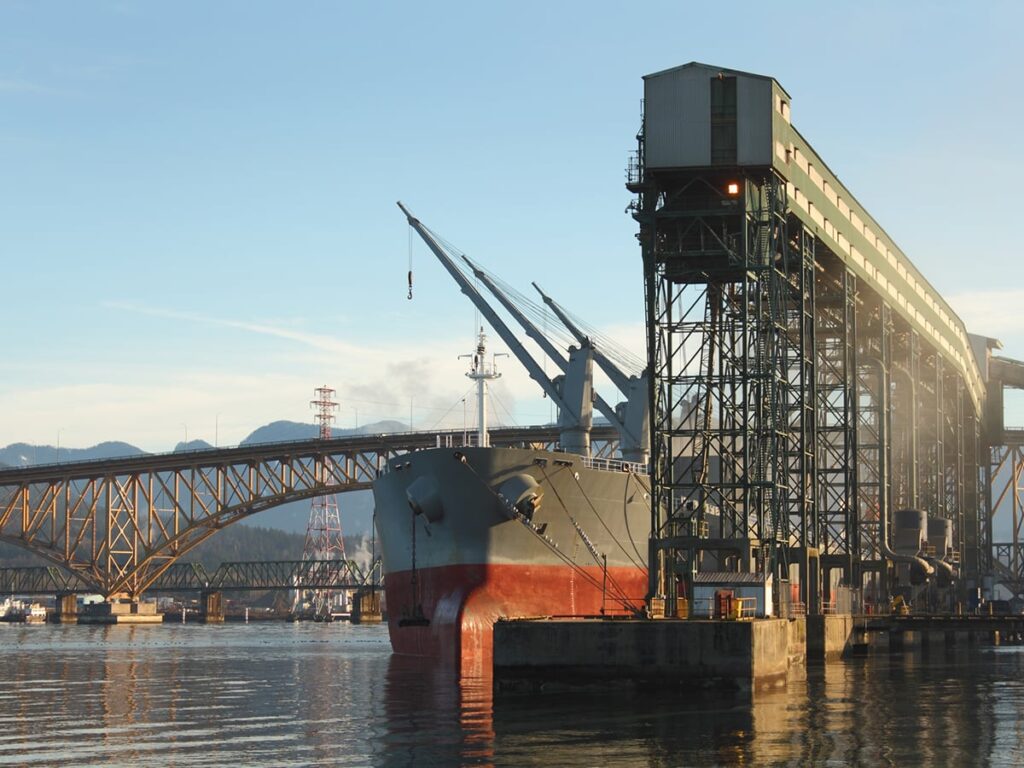
According to a news release from the Port of Vancouver, record volumes of cargo were exported from the port in 2025.
The port handled 170.4 million tonnes of cargo during the year, which was up by eight per cent from 2024.
Crude oil exports doubled in 2025 to 24.4 million tonnes due to the Trans-Mountain pipeline expansion. Most of the crude oil exports were sent to Asia, with China and South Korea leading the way.
Read Also

Richardson back in the fold at canola council
Richardson International has rejoined the Canola Council of Canada after a nearly nine-year hiatus.
Fertilizer exports increased by 21 per cent, with potash and sulphur the primary fertilizers exported.
The recent developments in the Middle East will certainly positively impact sulphur exports in the coming year. The primary global supplier of sulphur is located in the Gulf region, with exports through the Strait of Hormuz accounting for 44 per cent of world seaborne shipments.
Bulk grain exports accounted for the largest export category from Vancouver, with shipments growing to 30.3 million tonnes.
Wheat exports were up by 20 per cent in the calendar year, which led other grain and oilseed commodities.
The record exports came despite a 23 per cent drop in canola seed exports.
Canola oil exports declined during the year, but Vancouver shipments became far more diversified.
Vancouver canola oil exports to South Korea increased by 37 per cent, while exports to Peru jumped 217 per cent.
Europe and the rest of the Americas also increased their imports of canola oil from virtually nothing in 2024.
This is positive news because it indicates that diversification of Canadian canola exports was well underway in 2025.
The Vancouver exports were strong despite the loss of China as an export market for canola, canola oil and canola meal.
The Canadian Grain Commission released its January export data for the major grains, oilseeds and pulses, and canola exports in January to China were zero.
The largest importer of Canadian canola in January was Pakistan at 222,600 tonnes. Mexico, Germany and Japan occupied the second through fourth largest spots.
Chinese imports of wheat were also minimal at 3,800 tonnes. China did import 175,400 tonnes of soybeans and 94,500 tonnes of barley during January.
The slow exports to China in January brought the total Canadian crop-year-to=date exports to 3.91 million tonnes, which is down 1.61 million tonnes from last year.
Although China remains the largest importer of Canadian grains, oilseeds and pulses, exports slowed in January.
On the positive side, Canadian exports should pick up, beginning in March, as China reduces its Canadian canola tariffs.
However, the increased demand for canola is unlikely to make up for the losses that occurred over the past seven months and will likely leave Chinese imports below the 10-year average.

Source: producer.com