
Out-of-season elk tags offered to control damage
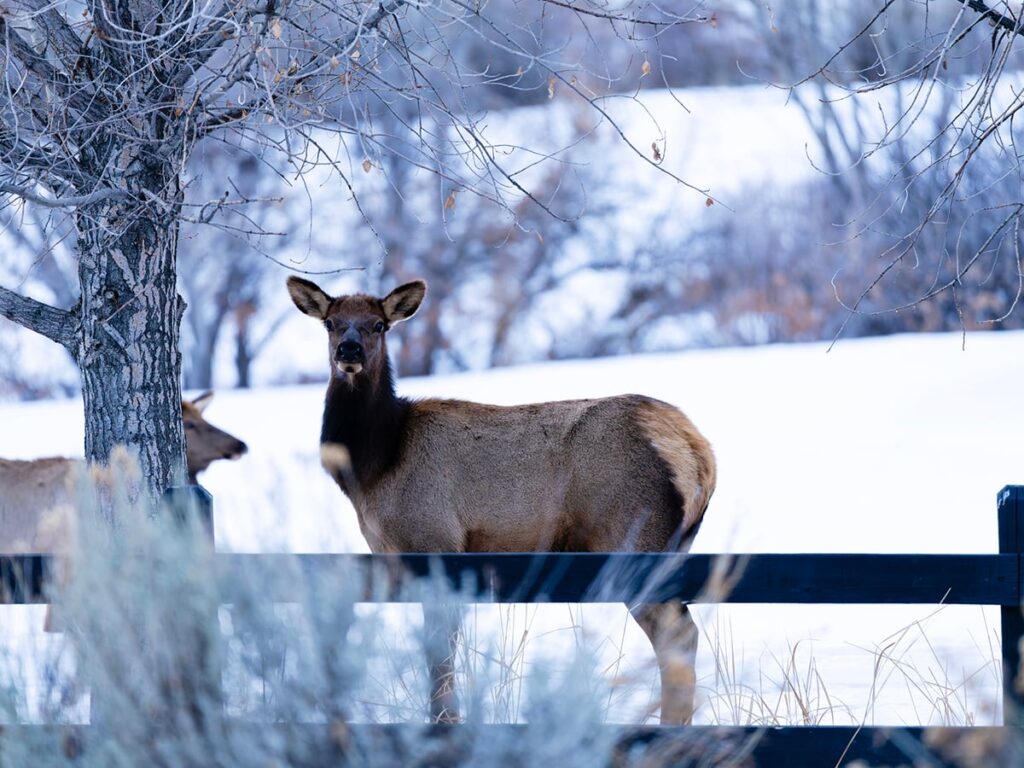
REGINA — The elk depredation program recently announced in Saskatchewan isn’t likely to help producers dealing with damage, says a wildlife expert.
University of Saskatchewan animal science professor Ryan Brook said there are more and better options than turning to guns.
“We need some kind of a long-term plan here,” Brook said.
Read Also
Saskatchewan crop insurance changes adjuster model
Saskatchewan Crop Insurance Corp. is moving toward permanent, full-time adjusters.
“What I always tell producers is we need to take a toolbox view of this.”
The province’s environment and agriculture ministers announced last month that producers who had experienced significant elk damage and filed claims with Saskatchewan Crop Insurance Corp. could obtain eight elk tags for use between Jan. 15, 2027, and the end of March, outside of hunting season. The producers can use the tags themselves or hire an experienced hunter.
SCIC will administer the free tags, and producers must report on the success of their efforts.
Why it Matters: Producers have been complaining for several years that large herds of elk are congregating around feedstacks or eating bales spread for cattle. They are also damaging standing crop.
The Saskatchewan Wildlife Federation questioned the government’s approach, saying it raises concerns about resource management and privatization of wildlife.
“Depredation tags are an allocation of permits to select individuals and do not follow the principle of equitable access to the resource,” it said in a statment.
“They also raise a concern around illegal outfitting that needs to be recognized and addressed in the roll-out plan to prevent individuals from profiting by the tags that have been allocated to them for the purpose of reducing elk numbers and impacts to feed stores on their property.”
It wondered what constitutes significant damage and how the initiative’s success would be measured.
The SWF said the tags are a stop-gap solution and fencing around haystacks would be a better option.
Environment minister Darlene Rowden said she knew the organization wasn’t happy, but she wasn’t either.
“Do they like depredation tags? No. Neither do I, you guys. I wish this problem wasn’t happening,” she told reporters.
“They were happy to hear about the fencing options and stuff like that. We’re not just handing out depredation tags. We’re also providing mitigation.”
Rowden said eligible landowners will have to commit to implementing fencing and other preventive measures, but those details aren’t yet available.
Agriculture minister David Marit said the program is targeted because elk aren’t a problem everywhere.
“We’ve heard from our colleagues, we’ve heard from municipal leaders, that there’s herds of 300 and 400 out there. We know of cattle ranchers that are rolling out bales and the elk are there. It’s almost one to one,” he said.
Rowden also said the government hopes the tags will help disperse the large herds. Most of these are located in east-central regions and northwest of Prince Albert, she added.
Brook said it’s important to think about tailored solutions for each farm and respect that each producer will make choices that work best for that farm. Culls are ineffective, he said, but the preventive measures do work.
“Barrier fencing is certainly one of the most successful that I’ve seen in my experience,” he said.
“These are high quality 14-foot telphone treated poles, buried four feet into the ground, with eight feet of heavy duty game wire on the outside of the poles. The last couple of feet at the top have a couple of strands of high visibility game wire.”
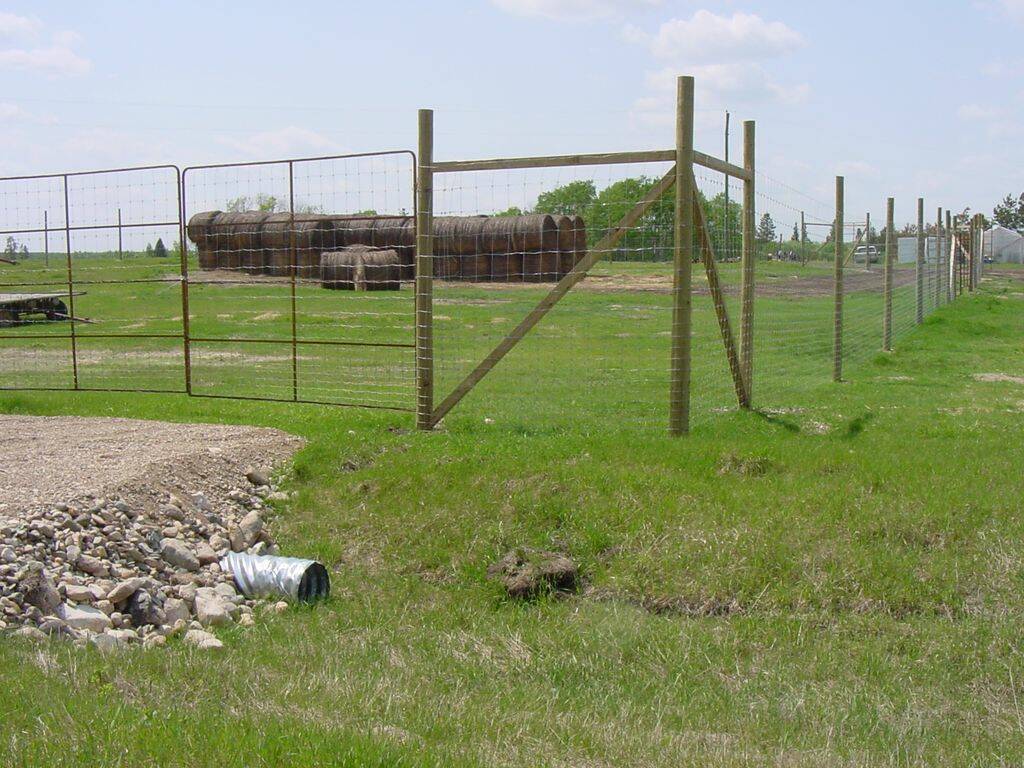
Brook said if these types of fences are built to high standards and well maintained, they are effective at keeping elk out. He said he has documented this in his research after speaking to dozens of farmers.
There are other types of fencing, including 3D fences with electric wire, and even guardian dogs that help. Lights and the “scary man” device that waves its arms and makes noise work to a point but are less effective, he said.
Blood meal from a slaughterhouse spread around bales in a field will deter elk, as will some commercial deterrents.
Producers who like to swath or bale graze are attracting elk. Brook said producers should think about the timing of those techniques because once elk get feed and get comfortable, they will stay.
“They may even come back in the spring and calve there, and those calves that were born there, that’s home,” he said.
He also said culls don’t work because the animals return as soon as the shooting stops.
Aside from eating feed and ruining other feed, elk could spread disease such as bovine tuberculosis. That’s why Brook favours fencing.
Through SCIC, all producers have access to the Wildlife Damage Prevention Program, which is fully funded by the province. Funding is available for fencing around feed yards, temporary fencing to protect feed sources and fences around nurseries and market gardens, the corporation said.
Eligibility is based on a current claim and the potential risk of future damage.
“Funding for fences includes the cost of materials plus an additional 25 per cent of the total material costs to offset construction costs,” SCIC said in an email.
“Producers are responsible for purchasing the required fencing supplies and all following fence maintenance.”
Fencing around grain bags is not eligible for funding.
Producers who refuse fencing after it is recommended could be denied future compensation.
Several organizations have passed resolutions in the last few years asking for something to be done about elk.
The Saskatchewan Association of Rural Municipalities said the depredation program was another tool for producers to use.
President Bill Huber said the program “helps safeguard farm income, supports animal welfare and strengthens the long-term sustainability of our rural communities.”

Source: producer.com