
New seed treatments offer improvements
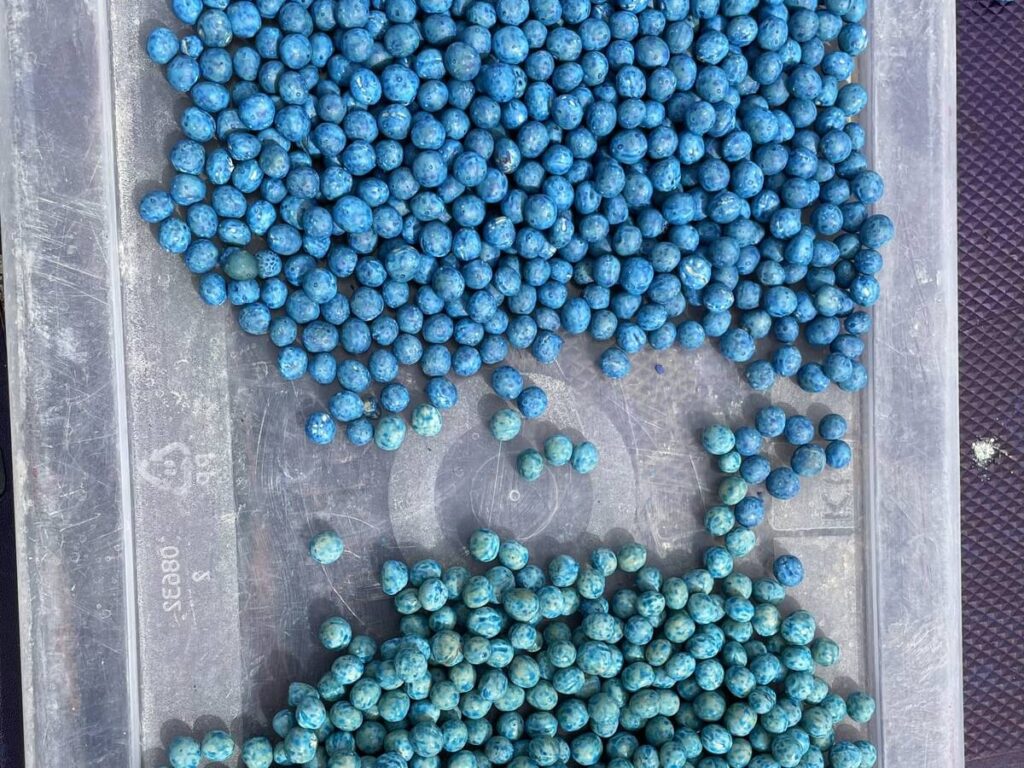
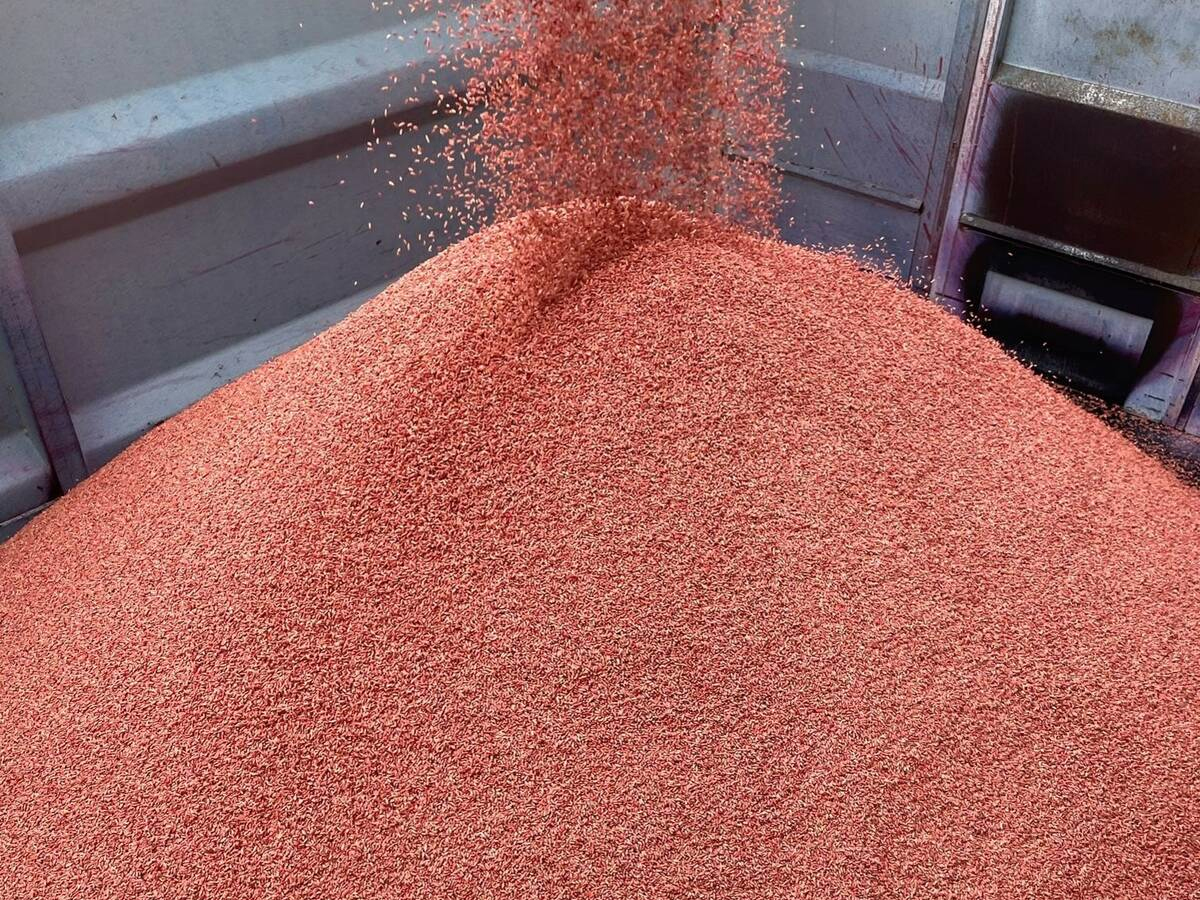
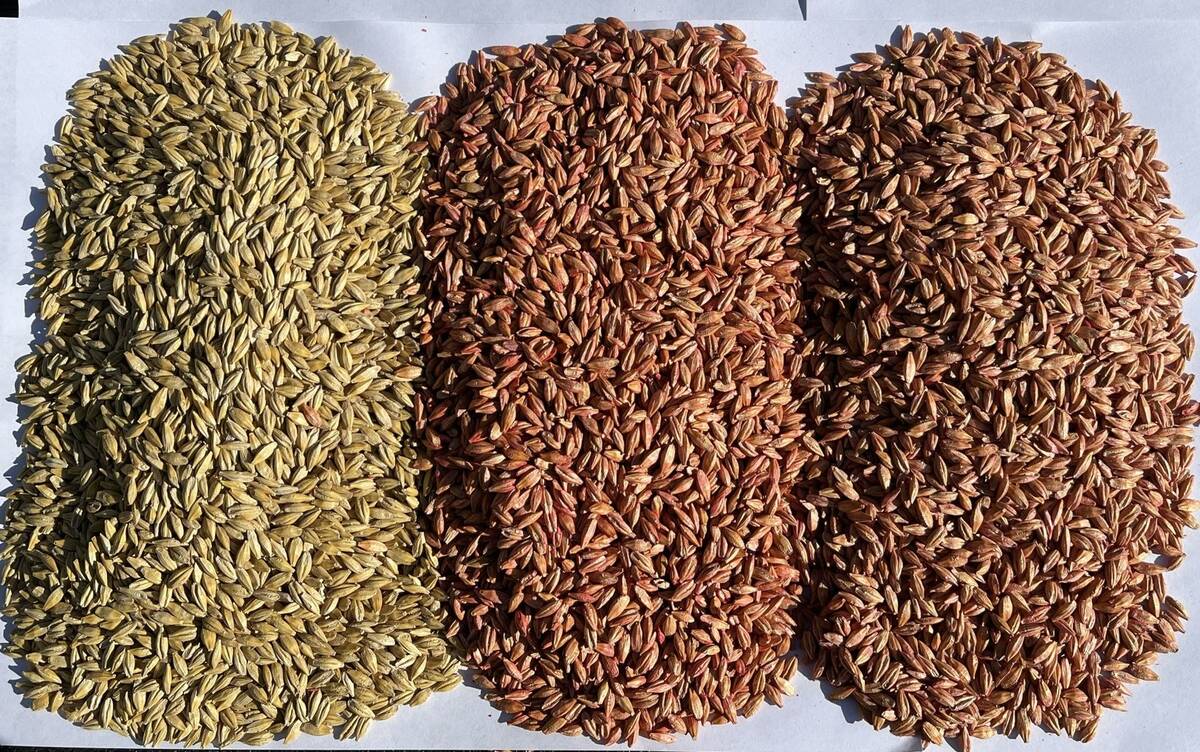
REGINA — Bayer has two new seed treatments for the 2026 growing season — Raxil Rise for cereals and Evergol Rise for pulses — which boast improved colouring, disease control and efficacy and a reduction in dust-off.
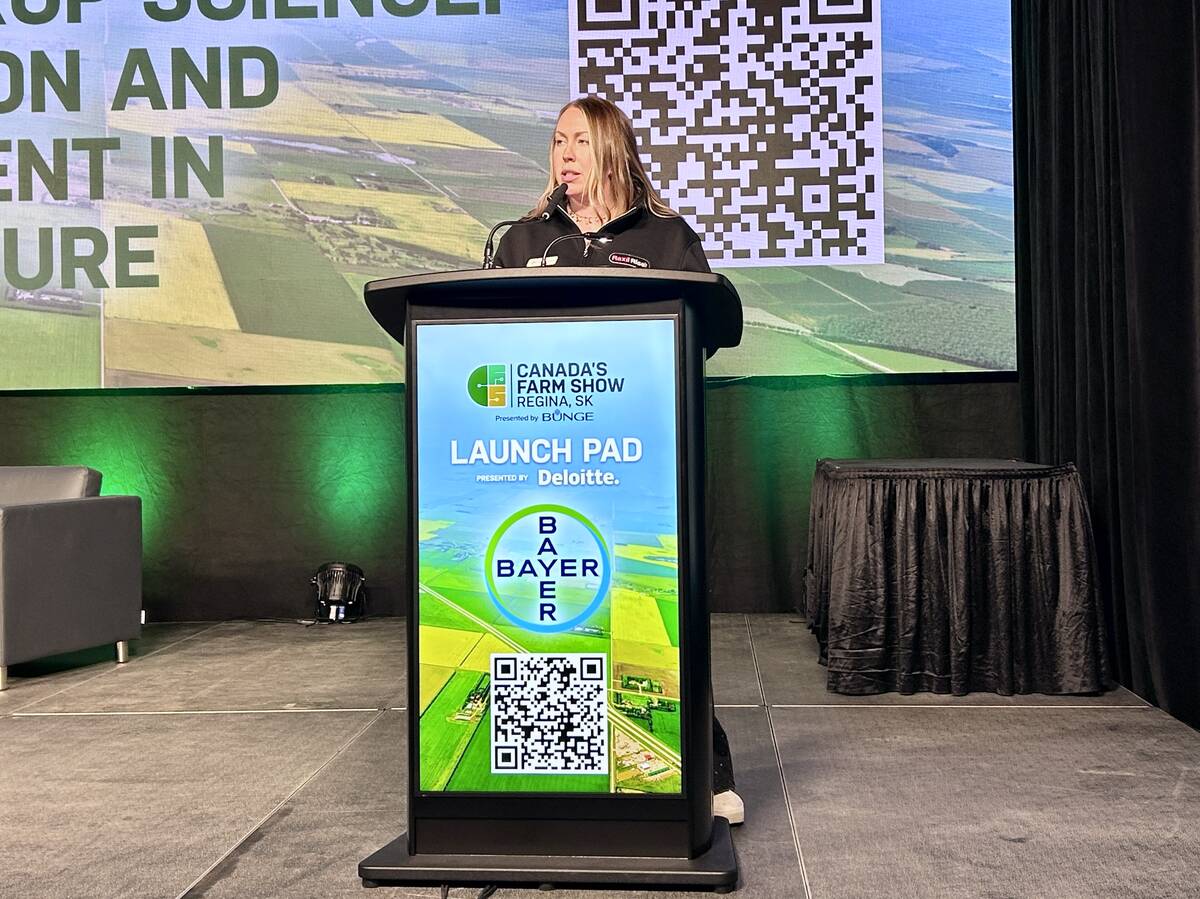
Bayer presented a technical look into the new products during Canada’s Farm Show in Regina March 17.
You can follow all our coverage of Canada’s Farm Show here.
Read Also
Women of agriculture’s generational impact
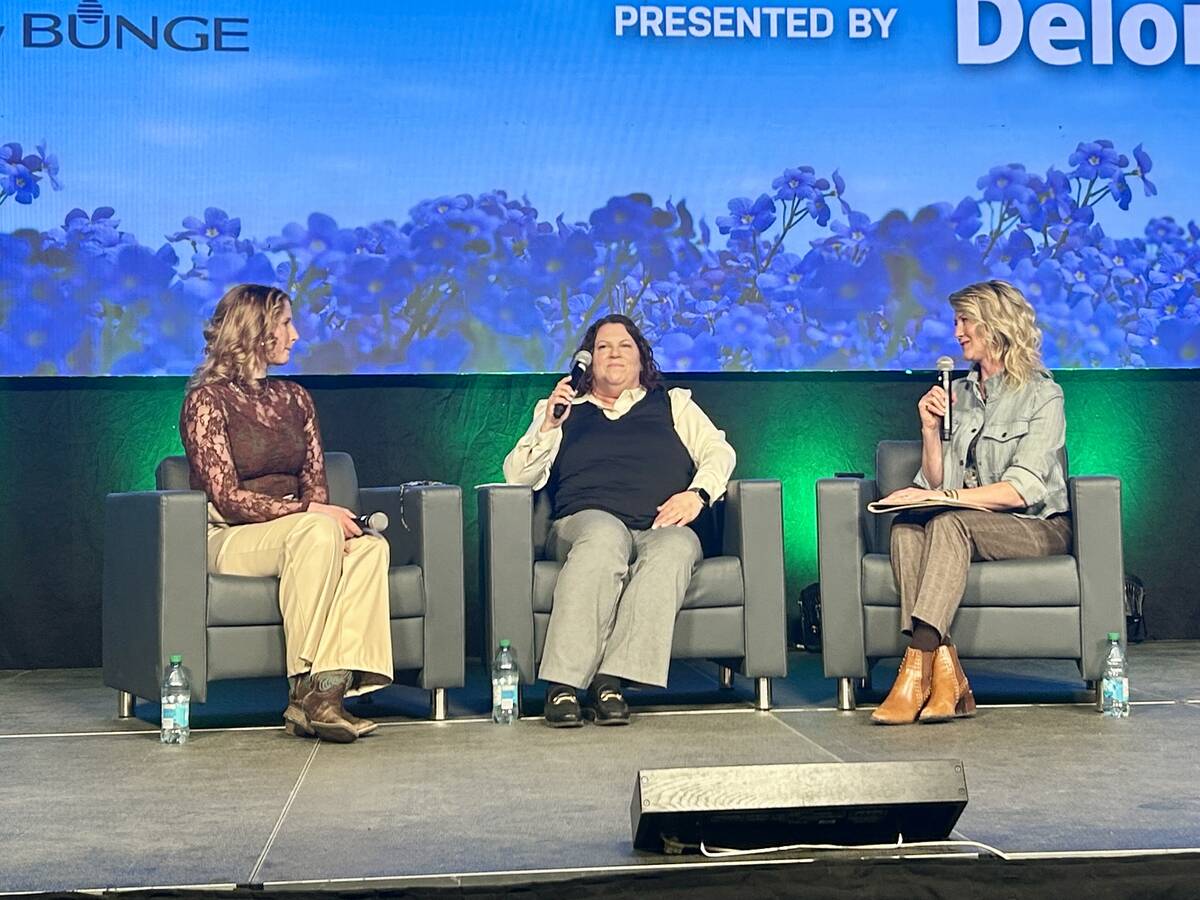
International Year of the Woman Farmer was highlighted during Canada’s Farm Show in Regina with a discussion of the Farmwives books written by Billi J Miller.
Both treatments are similar to their predecessors, Raxil Pro and Trilex Evergol, but have received a bit of a boost. Raxil Rise is formulated with the same rates of tebuconazole, prothioconazole, and metalaxyl as Pro, with the new inclusion of penflufen, a Group 7 chemical.
“What penflufen does is it sharpens up our disease control kind of across the board with those other three actives,” said Jimmi-Lee Jackson, a customer solutions agronomist with Bayer.
“But specifically, it really increases the control of the true loose smut, which can be an issue in wheat, but it’s very much more an issue in barley.”
Evergol Rise includes penflufen, trifloxystrobin and metalaxyl, just like Trilex, but the penflufen and trifloxystrobin rate has been increased, and there is now the addition of prothioconazole, a Group 3 chemical.
These new treatments are uncommon because not many contain four active ingredients.
The new formulations have “sharpened” the broad spectrum control for higher disease conditions.
However, there’s also stronger control against diseases such as fusarium head blight, smuts, bunts, root rot complex and seedborne ascochyta. A notable upgrade seen with Evergol Rise was the move from suppression of seedborne ascochyta with Trilex to control.
Nearly 10 years of research went into product development, including the formulation work, lab tests and field trials, both farm scale and small plots.
The product was tested for viscosity, flowability it is on the seed and dust-off. Much of these involve temperature, and Bayer pressure tests its products to -20 C.
“Obviously, I’m never going to recommend that, but that’s just kind of showing how we are pressure testing our products,” said Jackson.
“We really want to make sure that when growers are doing that in the spring — wouldn’t recommend — but that if they’re doing it at, say, -10 C, we have no worries.”
The company focused on efficiency because its predecessor had varying dilution ratios, depending on what pulse crop it was being used with, and often used a lot of water. The ratio with Trilex is seven parts water to one part product for lentils and 14 to one for chickpeas.
“Evergol Rise does a really good job when it comes to the formulation,” Jackson said.
“When we were doing our research authorization trials this season, kind of looking to see what water volumes were working on most pulses, we found that the one-to-one water ratio was super easy, and that’s what seemed to work best.”
The one-to-one ratio is the recommendation for all pulses except chickpeas, which is recommended at a five to one ratio.
Growers who use Evergol Rise will notice that the drum is filled to half, allowing just enough room to fill with the right amount of water for dilution.
Worth it to treat
With rising costs of inputs and not-so-great grain prices, many farmers cut their seed treatments first. While she understands, Jackson says that’s not the best strategy.
“We can do our due diligence by doing our seed tests and stuff like that, but the one thing that we can’t control is the disease levels in the soil,” she said.
“And that can be a big risk factor for growers that maybe they don’t necessarily think about when they’re kind of pricing some of the stuff out.”
During her presentation at Canada’s Farm Show, she showed the results of a product trial from 2025 in Saskatoon. It compared how the products worked in soil inoculated with fusarium to how they worked non-inoculated soil with untreated and treated seed.
With treated seed in the inoculated soil, there was a major yield increase. That plot reached 95 bushels per acre, while the inoculated plot without treated seed was only 77 bu. per acre.
Even in the plot with non-inoculated soil and treated seed, there was a slight yield increase, reaching 95 bu. per acre, while the untreated seed produced 93 bu. per acre.
“Wherever you are, there’s going to be a disease presence in your soil,” Jackson said.
“And that’s the one thing that we kind of have to remember — we never know what’s in our soil. That doesn’t matter where you are.”

Source: producer.com