

India’s green lentil demand remains uncertain
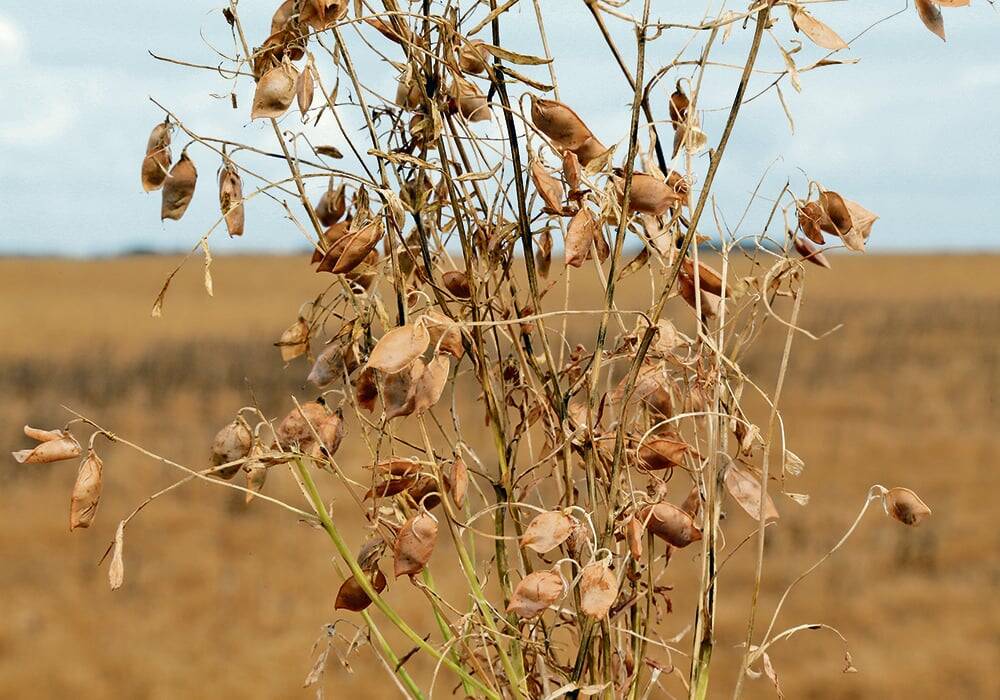
SASKATOON — Analysts are divided on whether India will be a big importer of green lentils this year.
The Informist is reporting that the Government of India has sanctioned the procurement of 2.2 million tonnes of pigeon peas under its minimum support price (MSP) program.
The purchases would happen during the 2025-26 kharif marketing year, which runs from October 2025 through September 2026.
Read Also

VIDEO: Tips on getting your planter ready for spring planting
Eric Bossuyt with AgWest offers tips on what growers should check on their planter before heading into the field for planting season.
The story indicates that the government has already bought 180,000 tonnes of the crop.
Why it Matters: India is one of the top markets for Canada’s green lentils.
“So far, procurement has been relatively slow because market prices of (pigeon peas) are still above the minimum support price in several states, limiting the quantity offered to government agencies,” stated the Informist article.
The government is forecasting 3.46 million tonnes of Indian pigeon pea production, a 4.4 per cent drop compared to the previous year.
Stat Publishing thinks the combination of strong government buying at the MSP and a smaller harvest could lead to improved demand for imported green lentils, which some Indian millers use as a substitute for pigeon peas.
“Rising internal prices for (pigeon peas) and tightening stocks resulting from competition between millers and the government for available supplies could lead to demand for imported lentils,” Stat stated in a recent article.
Gaurav Jain, analyst with AgPulse Analytica, does not believe that will be the case.
He said the government procurement window runs from December through March. He anticipates the government will end up buying 350,000 tonnes of the crop.
The possibility that it could have purchased up to 2.2 million tonnes had the desired effect.
“Prices shot up and went above MSP,” said Jain.
“So, farmers sold in the market rather than selling to the government. The market was paying the slightly higher price.”
Jain said the government has a stockpile of 300,000 tonnes from previous years, so in total it will hold about 650,000 tonnes of the crop.
“That should be enough to control the prices,” he said.
AgPulse Analytica’s production estimate is 3.82 million tonnes, which is 360,000 tonnes higher than the government forecast.
Total supply will be 5.7 million tonnes with carryover and imports.
“India is not short of pigeon peas,” said Jain.
“I don’t think India will be buying a lot more green lentils. It is not required.”
That is unfortunate, given Canada’s glut of the crop. Mercantile Consulting Venture estimates farmers produced 1.7 million tonnes of green lentils in 2025, up from 750,000 tonnes the previous year.
Statistics Canada is forecasting Canadian growers will plant 4.14 million acres of lentils in 2026, which would be about six per cent lower than last year.
Chuck Penner, analyst with LeftField Commodity Research, said there was a large shift into green lentils in 2025 due to a significant price premium over reds.
Reds typically account for about two-thirds of lentil acres, but last year it was just under half.
“This winter, though, red lentil bids are basically on par with large greens and well above small green lentil prices,” he said in a recent article he wrote for Saskatchewan Pulse Growers.
“As a result, we expect acreage to tip back towards red lentils.”
Penner expects a “meaningful increase” in reds, while greens would “drop considerably.”
A return to a normal average yield of 20 bushels per acre would greatly reduce Canadian lentil production compared to last year, when farmers achieved a near record average yield of 28.7 bu. per acre.
That would result in a harvest of 2.21 million tonnes, 34 per cent smaller than last year’s 3.36 million tonnes, said Penner.
“This would help ease the heavy lentil supplies, especially greens, currently weighing on the market,” he said.

Source: producer.com