
In defence of eating oats
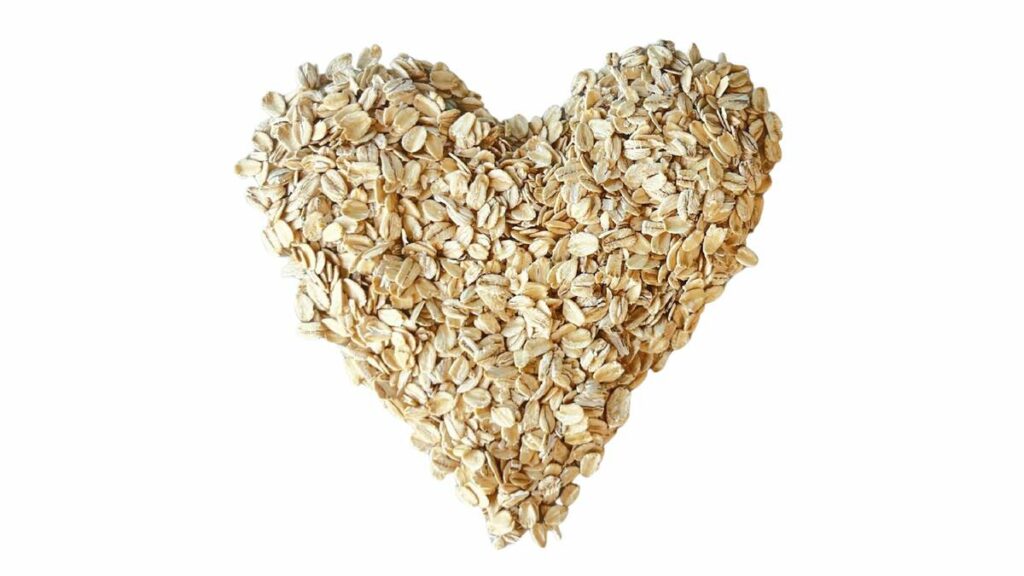
Walk into any kitchen and you’re bound to find a bag of oats. They are an affordable, homegrown pantry staple that have a long-standing reputation as a heart health champion.
But recently, online health critics have put oats in their crosshairs.
So, which is it? Are oats a heart-healthy hero or a dietary villain? Let’s clear up the confusion with a closer look at this Prairie-grown cereal crop.
Read Also

Sleep is key to a healthy lifestyle
Sleep is important to maintain quality of life and overall health, but sleep disruption is a common complaint. This article offers tips and tricks for better sleep.
It all starts with the groat
The whole grain form of oats is dubbed a groat — the point where bran, germ and endosperm are all still intact. The differences you see in the grocery store come down to how much the oat has been cut, steamed, rolled or pre-cooked. Understanding these differences can help you choose the right fuel for your day.
Hulless, or naked oats
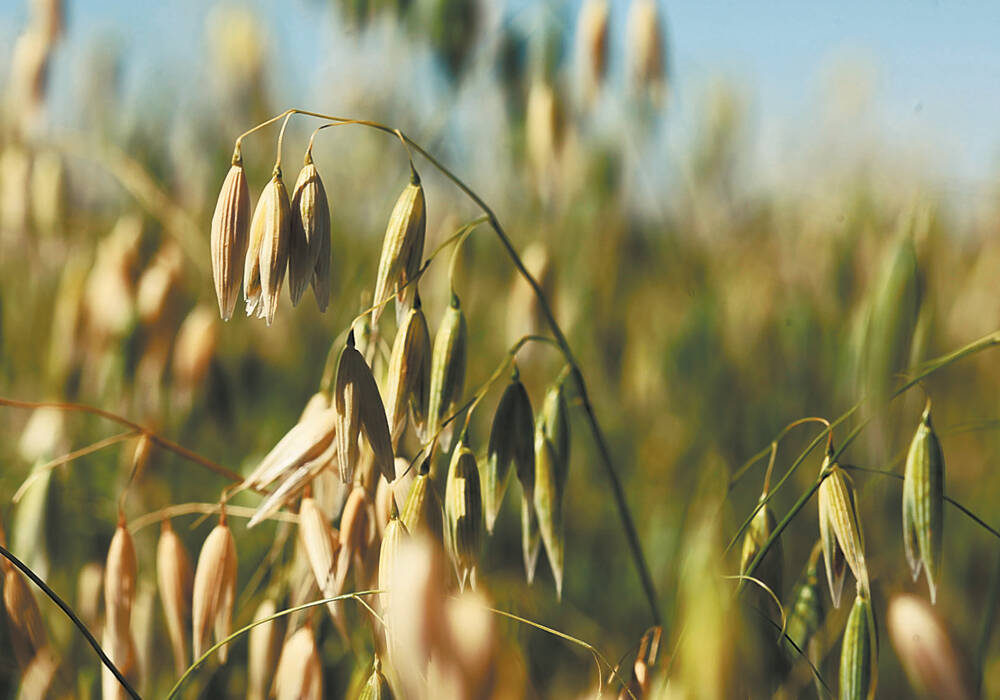
Hulless oats, bred to naturally shed their outer hull during harvest, include the whole oat kernel and can be cooked just like rice or barley. They take about 30 to 40 minutes to simmer and have a pleasant, chewy texture, ideal for hearty grain bowls or soups. You can find this specialty oat direct from growers or in specialty or health food stores.
Steel-cut oats
Steel-cut oats are groats chopped into two or three pieces using steel blades. They have a nutty flavour and hearty, chewy texture, even after cooking for 20 to 30 minutes. Because of their dense structure, they digest slowly, providing steady energy and long-lasting fullness.
Rolled oats
Rolling oats into flakes is a century old technique. The first rolled oats were much thicker and less uniform than the large flake oats of today, just what our great-grandparents needed for long-lasting fuel. Modern processing uses precise steaming and rolling techniques to produce oat flakes in three common sizes:
- Large flake or traditional old-fashioned oats: Large flake oats are whole oat groats that have been steamed and rolled the least. These are the thickest, most intact rolled oats you’ll find and take about five to eight minutes to cook. Because of their hearty texture, they tend to digest more slowly, providing steady energy and long-lasting staying power.
- Quick oats: Quick oats are cut into smaller pieces and rolled thinner than large flake oats. They cook in about one to three minutes and create a softer, creamier texture. While they are still a whole grain, they digest more quickly than large flake oats.
- Instant oats: Instant oats are the ultimate convenience food. They are often made from quick oats that have been pre-cooked and dried before packaging. This extra processing allows them to soften almost immediately when hot water is added, but it also means they digest very rapidly. Many flavoured instant oats are also packaged with added sugar and salt.
Size the secret to oats
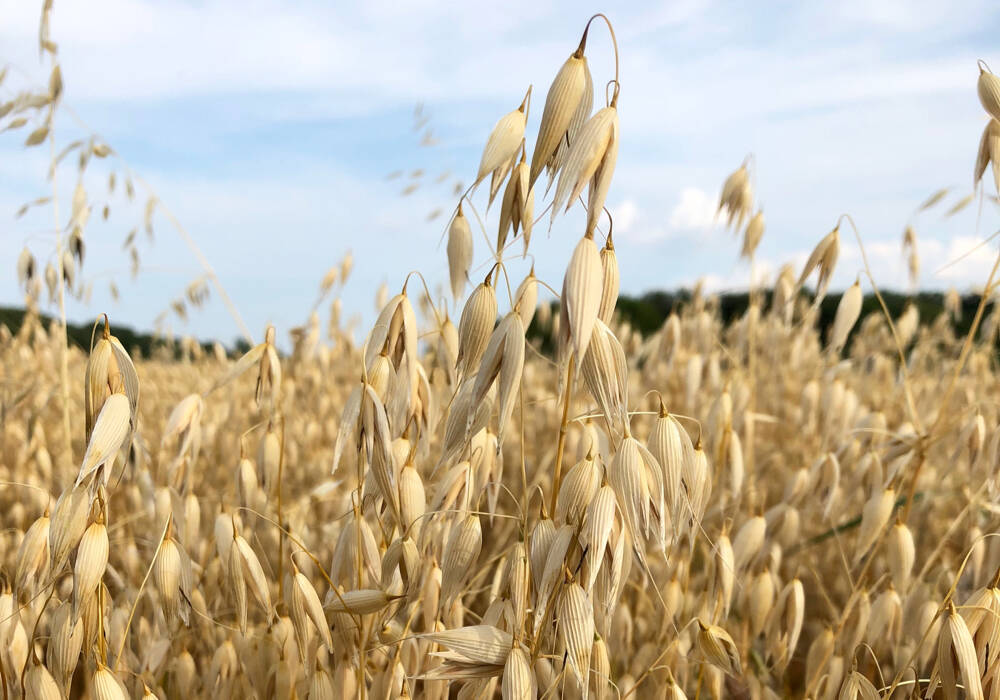
When choosing your oat, it’s best to consider not only how quickly they cook but also how they’re handled by your body. Think of it like the difference between eating a whole apple versus drinking a glass of apple juice. Both come from the same source, but your body processes them very differently.
The apple requires chewing and time for your digestive system to break down fibre, leading to a slow and steady release of energy. The juice is already processed, so the energy hits your bloodstream almost all at once.
Oats work the same way. The more intact the grain, the longer it takes to digest, providing slow, steady energy.
In addition to choosing larger oats, you boost nutrition further by adding extra fibre, fats and protein with things like a scoop of Greek yogurt, nut butter, nuts and seeds and fresh or frozen fruit. This turns a simple bowl of oats into a balanced meal with true staying power.
Why your heart loves oats
The well-researched magic of oats lies in a soluble fibre called beta-glucan. Since the 1960s, researchers have studied its unique ability to support heart health.
In 2010, Health Canada officially recognized the relationship between oat fibre and lower cholesterol, making oats one of the few foods with a scientifically proven health claim for reducing a risk factor for heart disease.
Beta-glucan works by forming a gel during digestion that slows the movement of food through the gut, helps steady blood sugar, lowers LDL cholesterol (low-density lipoprotein, or the “bad” cholesterol that builds up in blood vessels) and promotes fullness. It’s also a prebiotic, helping to feed the good gut bacteria that keep our digestive and immune systems strong.
Beyond porridge: Five ways to eat more oats
If your only experience with oats is a steaming bowl at breakfast, you’re missing out. Visit the OatsEveryday.com website, run by the Prairie Oats Growers Association, and you’ll find plenty of other meal options.
Oats can be the be star:
- in baked goods,
- as a binder in meatballs or burgers,
- for thickness and added fibre in smoothies,
- for convenient energy balls, great for the truck or hockey rink,
- as a gluten free breading instead of bread crumbs, or
- like barley or rice for delicious grain bowls.
Oats aren’t a villain. It’s a Prairie-grown whole grain with decades of solid research behind it. The key is choosing the right size and building a balanced bowl. Here are some recipes to help you do just that.
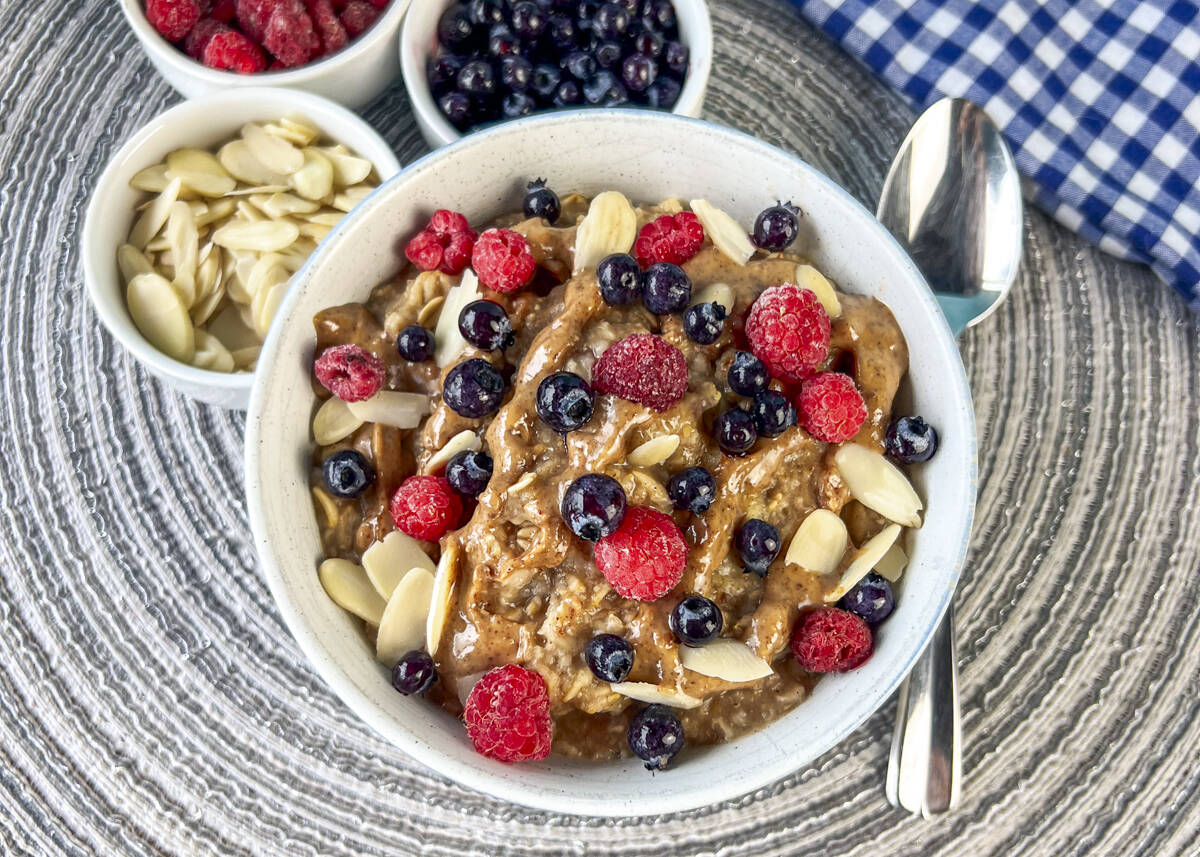
Homemade instant oatmeal mix
Try these homemade instant oats instead of store-bought instant oat packs. They’re made with large flake oats, flax and just a touch of sugar for a fibre-rich, budget-friendly breakfast that tastes great and keeps you full longer.
Makes: 14 servings
Ingredients
- 6 cups large flake oats, divided
- 1/3 cup ground flax
- 1/3 cup brown sugar
- 1/2 tsp salt
- 1 tbsp cinnamon
Directions
Combine 2 1/2 cups of large flake oats, flax, sugar, salt and cinnamon in food processor. Pulse into a coarse meal.
Mix with remaining 3 1/2 cups of large flake oats.
Store mix in a well sealed container.
Preparation
Mix 1/2 cup mix with 1 cup of water in a microwaveable bowl.
Heat on high for a minute. Stir and repeat about two to three times until desired doneness.
Top with nut butter, yogurt, nuts, seeds and fruit for a satisfying bowl.
Source: www.gettystewart.com
Berry and oat smoothie
Healthy breakfast smoothies made with oats are delicious, satisfying and filling. Give your busy mornings a boost with a fibre and protein-packed smoothie that you can drink on the go.
Makes: One smoothie
Ingredients
- 1/2 cup rolled oats
- 1 cup milk (dairy or non-dairy)
- 1 tbsp honey or agave
- 1/4 cup vanilla yogurt
- 1 cup frozen berries
Directions
Add all ingredients to a blender. Cover tightly and pulse to chop fruit, then puree until smooth.
Taste and adjust sweetener, if necessary.
Serve immediately. (Note: smoothies will thicken on standing.)
Source: OatsEveryday.com
Barbecue bean and oat burgers
With bold flavours and a satisfying texture from the steel cut oats, these vegetarian burgers will satisfy the whole crowd.
Makes: Six patties
Ingredients
- 2 tbsp canola oil, divided
- 1 medium onion, finely diced
- 2 cloves garlic, minced
- 1 carrot, grated
- pinch of salt
- 2 tsp chili powder
- 1 tsp ground cumin
- 1/2 cup steel cut oats, cooked
- 1 can (19 oz) black, pinto or kidney beans, drained
- 1/3 cup barbeque sauce
- 1 1/2 cup quick oats
Directions
In a skillet, heat a tbsp of canola oil over medium heat. Add onion and sauté for five to sixe minutes, or until softened.
Add garlic and carrot and sauté for about a minute. Stir in spices and steel cut oats. Cook, stirring, until oats are well incorporated.
In a mixing bowl, mash the drained beans and mix with the barbeque sauce. Add the cooked oat mixture and quick oats. Mix well.
Let the mixture stand for 10 minutes to firm up.
Form into six patties, about a half-inch thick.
Heat remaining oil in a skillet and cook patties for approximately five minutes per side, turning only once.
Serve on buns with your favourite toppings.
Source: OatsEveryday.com

Source: producer.com