
Sun’s movement drives our weather
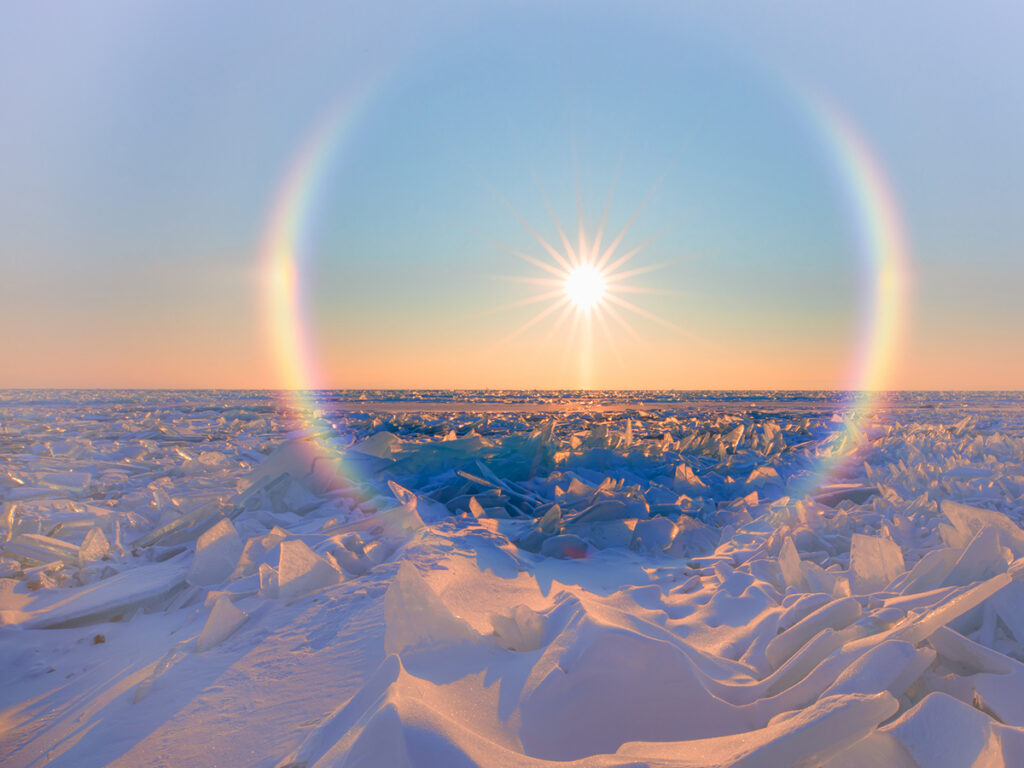
In the last article, we took a break from our series on understanding the weather to look ahead at the spring forecasts, so in this article we are back to looking at day length, the “march of the seasons” and atmospheric composition.
Day length is measured as the interval between sunrise and sunset each day. The two extremes — the shortest and longest days — occur in December and June and are referred to as the solstices.
Around Dec. 21 or 22, we experience the winter solstice, when the sun is directly overhead at 23.5 degrees south latitude. At this time, the Northern Hemisphere experiences its shortest day of the year.
Read Also
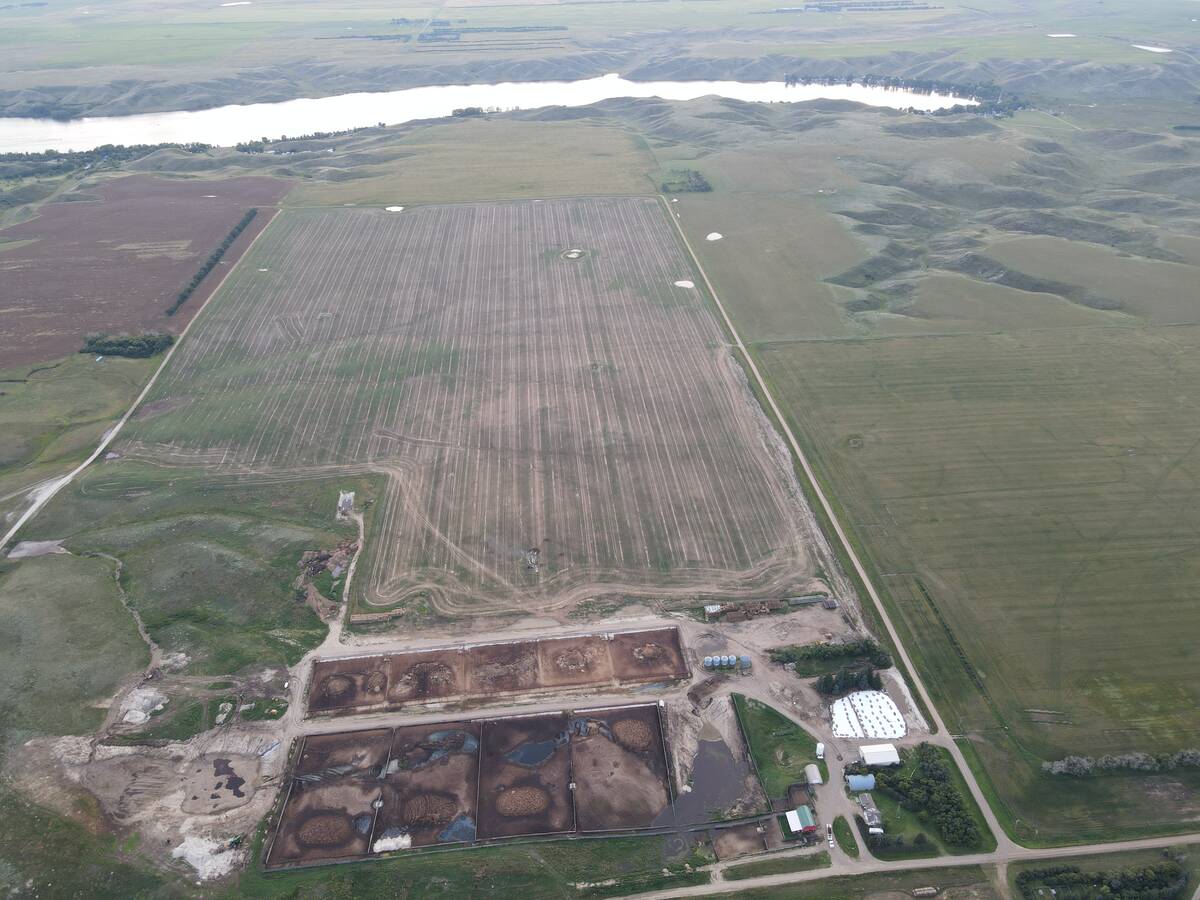
Saskatchewan farm says no runoff from feedlot
Residents near Lac Pelletier in southwestern Saskatchewan say there has been another spill from a feedlot next to the lake.
On June 20 or 21, we experience the summer solstice, when the sun is directly overhead at 23.5 degrees north latitude, giving us our longest day.
The other two important dates in the “march of the seasons” are the vernal and autumnal equinoxes. These occur when the sun is directly over the equator, giving roughly 12 hours of daylight to all places on Earth.
The vernal equinox occurs on March 20 or 21, while the autumnal equinox occurs on Sept. 22 or 23.
We will revisit the sun’s journey from south to north and back again later in this series because this simple movement helps drive much of the weather we experience here in Canada. For now, we turn our attention to the composition of the atmosphere.
There are two main ways to divide the atmosphere: heterosphere and the homosphere.
The heterosphere begins at about 80 kilometres above the Earth and extends outward toward space. It contains only about 0.001 per cent of the atmosphere’s total mass, and the gases in this region are not evenly mixed.
The homosphere, which includes everything below 80 km, contains the vast majority of the atmosphere’s mass.
While gas density decreases rapidly with height, the mixture of gases remains fairly uniform, except for water vapour and ozone.
Gravity compresses air near the surface, which is why density decreases so quicklywith altitude.
By about 5,000 metres, nearly half of the atmosphere’s mass lies below you, and at 11,000 metres — where most jet aircraft fly — more than 75 per cent of the atmosphere’s mass is beneath you.
Within the homosphere, the atmosphere is composed mainly of three gases: nitrogen (78.084 per cent), oxygen (20.946 per cent) and argon (0.934 per cent). The remaining 0.034 per cent consists of trace gases such as neon, helium, carbon dioxide, methane, krypton and ozone.
Another way to describe the atmosphere is by temperature. Using this method, it is divided into four layers: the troposphere, stratosphere, mesosphere and thermosphere.
These layers are the ones most familiar to many people and are particularly useful when studying how weather develops and behaves.
Next issue, we will continue our look at the atmosphere and surface energy balances.

Source: producer.com