
Realtor sees psychological shift in land market
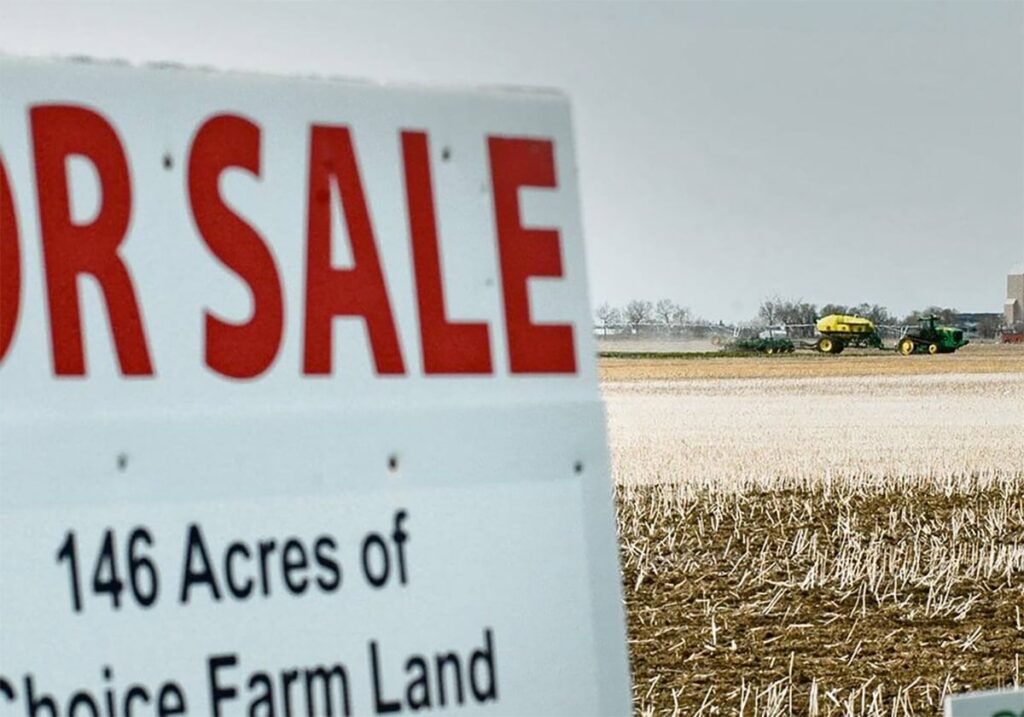
WINNIPEG — The Farm Credit Canada report on farmland values for 2025 is interesting, but’s it’s also old news, says a Saskatchewan realtor.
The psychology of buyers and sellers has shifted in 2026, and the farmland market has entered a new phase in Saskatchewan.
The new thinking is more about caution.
Read Also
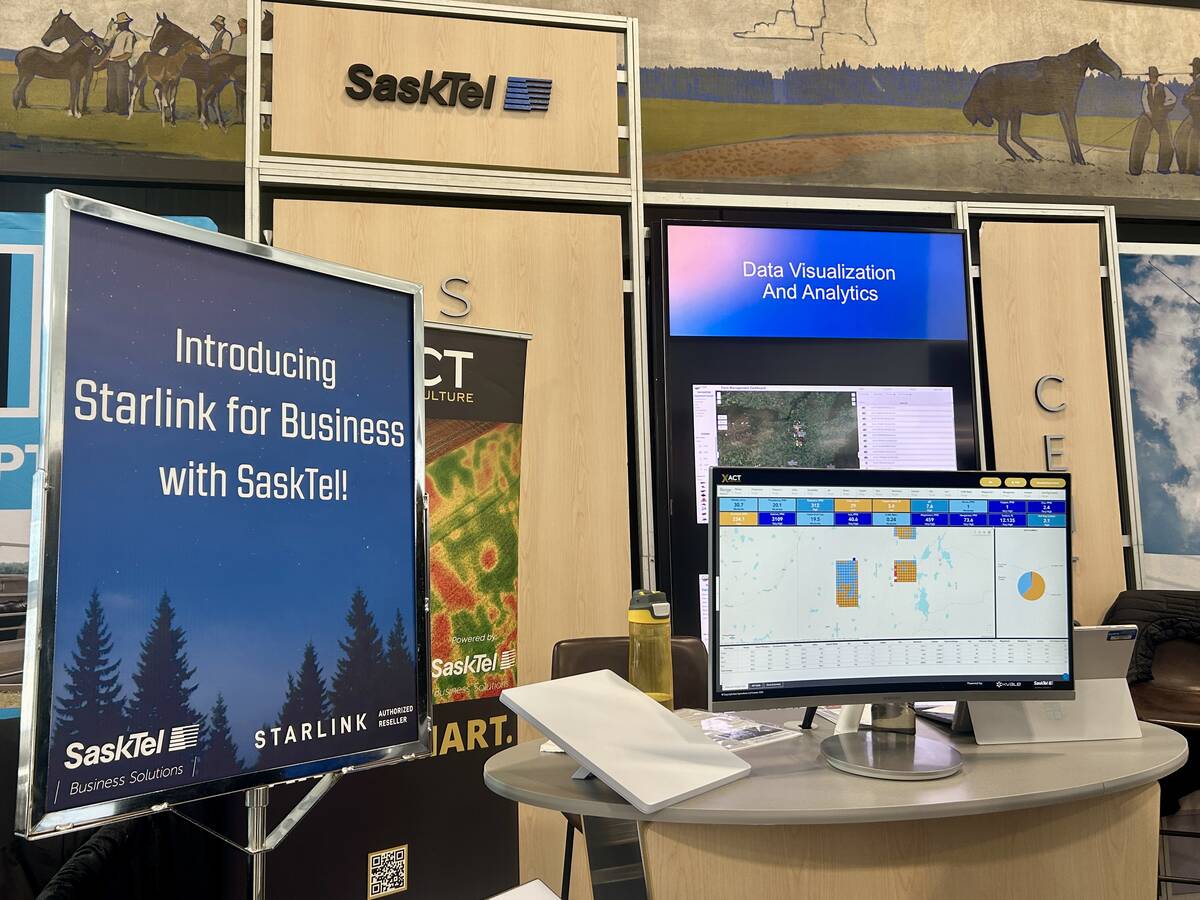
SaskTel partners with Starlink
Saskatchewan businesses, including farms, now have the option of Starlink through Sasktel.
“I talk to farm buyers and sellers every day. It’s (now) a totally different vibe,” said Ted Cawkwell, founder of the Cawkwell Group and a Saskatoon realtor who specializes in farmland.
On March 24, FCC published its annual report on farmland values in Canada, noting that prices on the Prairies continue to rise. Values increased 12.2 per cent in Manitoba, 11.4 per cent in Alberta and 9.4 per cent in Saskatchewan.
Those numbers may be accurate for 2025, but they don’t reflect the realities of 2026, Cawkwell said.
“The big shift happened at the beginning of this year. Monette put $1 billion worth of land on the market…. That changed everything — psychologically, first and foremost.”
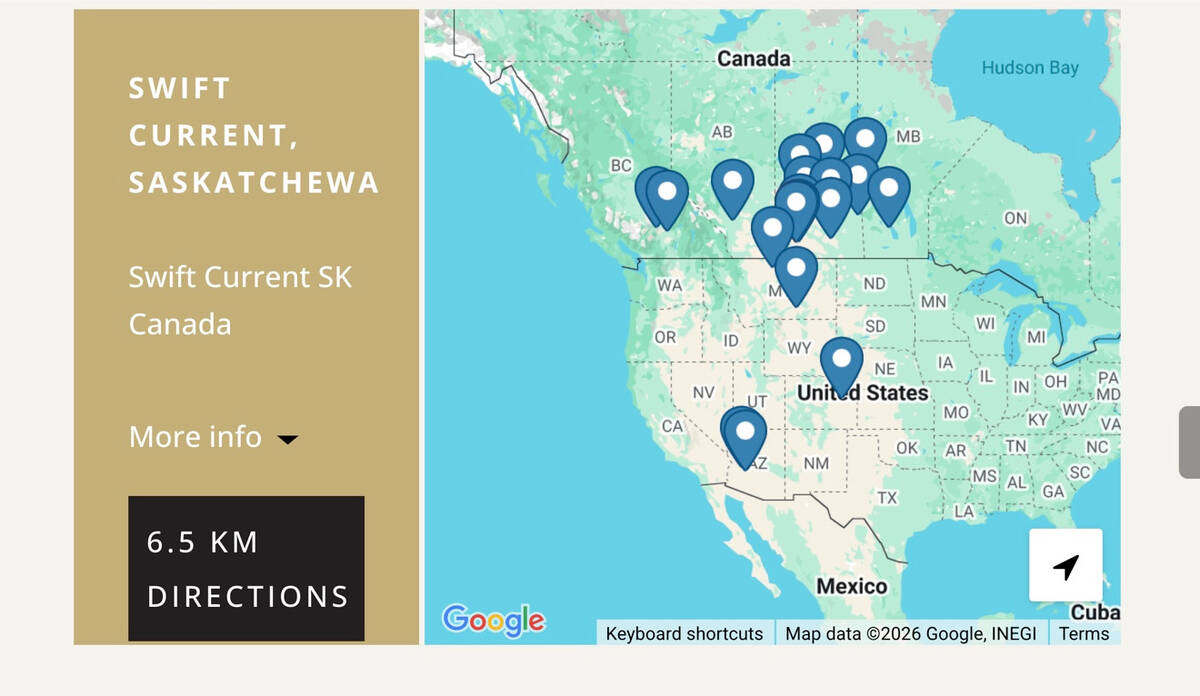
In January, news broke that Monette Farms, which produces grain, beef and vegetables at sites across Saskatchewan, Manitoba, Alberta, British Columbia and the United States, was putting 16 of its properties up for sale.
Monette Farms is one of the largest grain producers in North America, with hundreds of thousands of acres of deeded and rented land.
Its decision to sell could have sparked a change, in which farmers and lenders are thinking less about expansion and more about debt management.
In the final week of March, Cawkwell was involved in two deals in Saskatchewan, where producers were selling land to improve cash flows and reduce debt.
Such sales are unusual, as most farmers have been focused on growth and land acquisition in the province since 2010.
“Everyone was building off the equity that they had,” Cawkwell said.
“You could lose $100 per acre (on farming), but if your land went up $500 an acre, they (bankers) would still lend you (another) $10 million the next year.”
Cawkwell is convinced that conditions have shifted for both lenders and producers.
He’s predicting 2026 will be different from 2025 for land values because the market psychology has changed.
Caution might be the prevailing sentiment, but other realtors believe the farmland market is rock solid.
If a parcel of land comes up for sale in Saskatchewan, neighbouring farmers want that land and will compete for it, said Harry Sheppard, who runs Sheppard Realty in Regina.
“They’re buying it. They’re paying record high prices.”
Regarding the 2025 FCC report on values, the numbers could be low for Saskatchewan, Sheppard said.
Sheppard Realty sold farmland last year where the price was much higher than the increase of 9.4 per cent reported by FCC.
There are regions of Saskatchewan where demand is weaker and sellers aren’t receiving their target price, Sheppard added.
However, that doesn’t mean demand is cratering or that a significant shift is in the works.
“There is absolutely, strong demand for farmland, period.”
Cawkwell maintains that something has changed.
He remains extremely bullish on Canadian agriculture over the long run. Right now, however, lenders, producers and farmland investors have less appetite for risk.
If banks are telling some farmers to sell land in Saskatchewan and clean up their debts, that’s a major shift from the buy, buy and buy philosophy of the last 15 years, he said.
“I’ve never seen that before in my 14 plus year career (as a realtor).”

Source: producer.com