

Albedo, Earthshine and the weather
In this issue, we are going to continue our look at the atmosphere and energy transfer by looking at albedo and the reflection of solar radiation.
A good chunk of the sun’s energy that reaches the Earth is simply reflected away, never getting the chance to do any work.
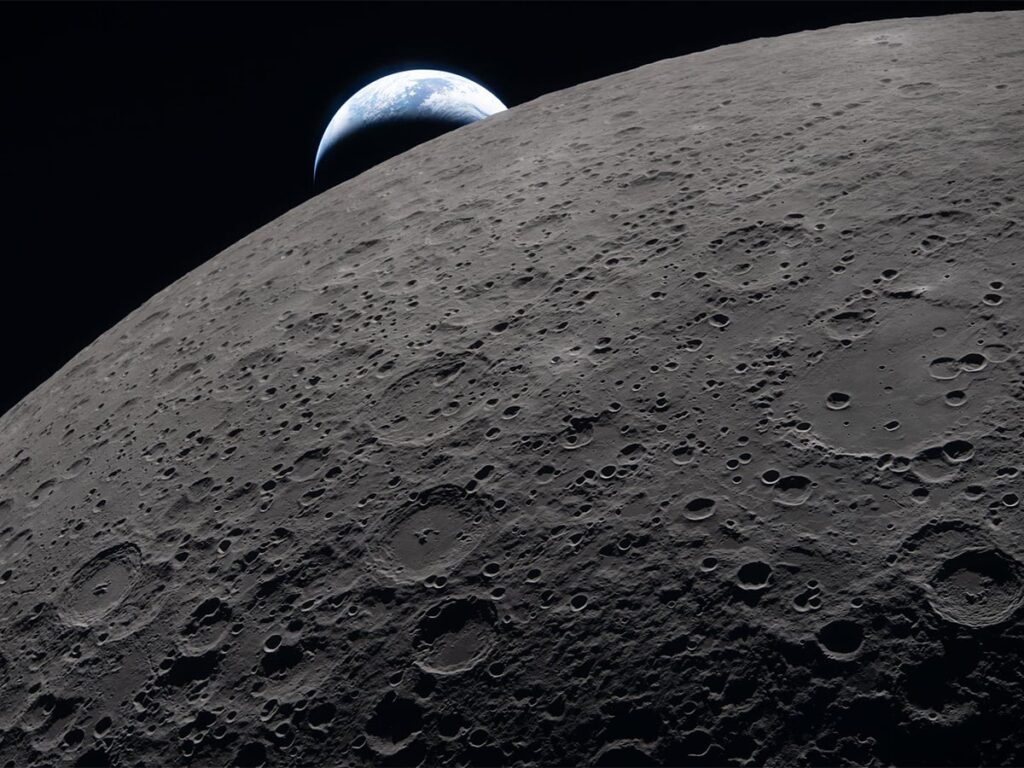
On average, over a year, the Earth reflects about 31 per cent of the sun’s energy back into space. This reflection is known as Earthshine.
Read Also

Sunterra loses bid to appeal in cheque kiting case
Sunterra Farms had asked to appeal a decision that meant it had to pay $35 million to an American lender
If we compare it to the moon, which reflects about six to eight per cent of the sun’s energy, and consider that Earth is four times wider than the moon, you can quickly see and understand that the Earth would appear very bright from space.
In fact, astronauts often report just how startlingly bright Earth appears.
Scientists are also using Earthshine to help understand what might be causing long-term temperature changes.
If Earthshine increases, then the Earth is reflecting more of the sun’s energy, and as a result, the Earth should cool and vice versa — if Earthshine decreases, more energy is being absorbed and temperatures should increase.
Of interest is that during the 1980s and 1990s, Earthshine was on a slow decrease. Then it started to increase, but over the last decade or so it is once again on a slow decline.
On a side note, the 11-year solar cycle of increasing and decreasing energy output from the sun accounts for about a 0.1 per cent change in Earthshine.
So, the Earth actually reflects a fair bit of the Sun’s energy. This reflection is determined largely by the brightness of the Earth’s surface, and is referred to as albedo.
Albedo is the percentage of the sun’s insolation that is reflected into space.
An object that absorbs all incoming solar radiation hitting it would have an albedo of zero per cent, while an object that reflects all the radiation hitting it would have an albedo of 100 per cent.
The colour of an object has the biggest effect on albedo — the darker the object, the lower the albedo.
Along with colour, the texture of the surface also affects albedo, with smooth flat surfaces having a higher albedo.
When it comes to water, the angle of the sun’s rays produces different amounts of albedo.
Low sun angles produce more albedo compared to high sun angles. Just think of the last time you watched the sun set over a lake.
Clouds also have an impact on the Earth’s albedo.
The amount of light reflected by clouds is relatively unpredictable and is one of the toughest things to factor in when making climate models.
Clouds, as we all know from cloudy days, prevent a fair bit of the sun’s energy from reaching the Earth’s surface by reflecting this energy back into space. This process is known as cloud-albedo forcing.
The more clouds covering the Earth, the greater the Earth’s albedo and thus the cooler the Earth will be.
In the next issue, we will start to look at what happens to the sun’s energy once it reaches the Earth’s surface.

Source: producer.com