
Size of canola carryout will have major impact
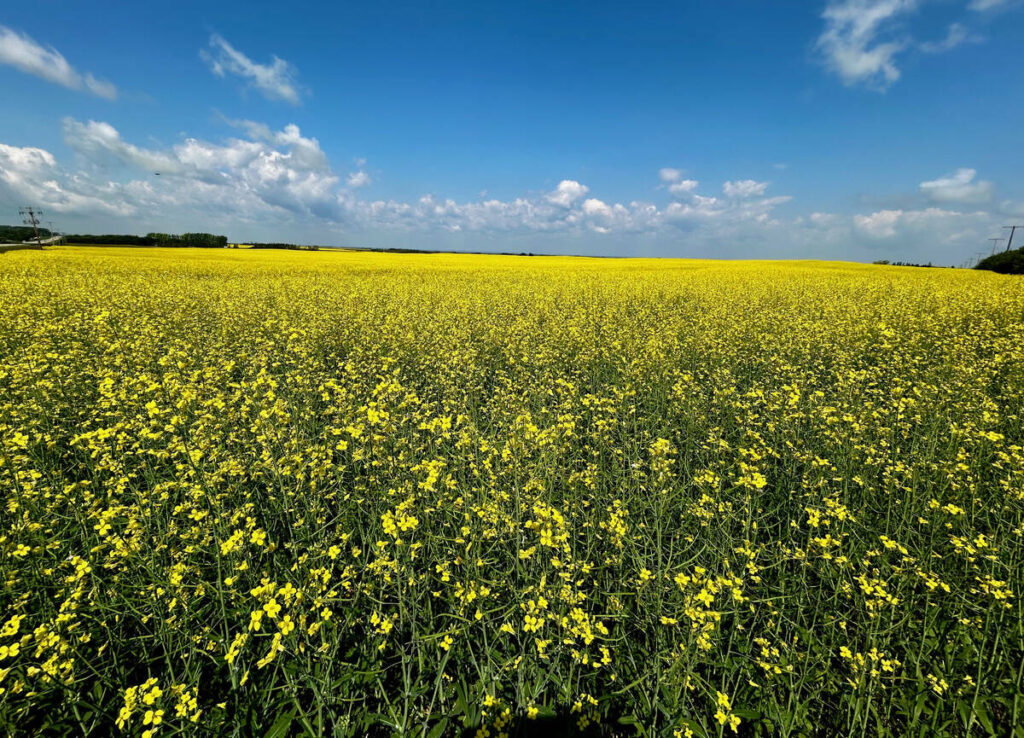
SASKATOON — The U.S. Department of Agriculture believes Canada’s 2026-27 canola carryout will be more than double Agriculture Canada’s forecast.
The USDA’s Foreign Agricultural Service (FAS) is forecasting 2.63 million tonnes of ending stocks at the end of the upcoming crop year.
That compares to Agriculture Canada’s estimate of 1.06 million tonnes. It’s a crucial difference because prices are directly correlated to ending stocks.
Read Also
Ukraine to increase grain production, exports
Ukraine’s grain production and exports are expected to soar in 2026-27.
“It’s the be all and end all,” said Derek Squair, president of Exceed Grain Marketing.
“It is everything.”
Ending stocks averaged about two million tonnes between 2020-21 and 2024-25.
Farmers have been planting more canola recently, but exports and domestic crush are also on the rise.
Why it Matters: Ending stocks help determine the price of canola and other crops.
Squair noted that the crop year ends on July 31, but new crop canola is not typically in export position until mid-October, so there needs to be substantial carryout to fill the export and crush demand for August, September and half of October.
Crushers are processing about one million tonnes per month and another 300,000 to 400,000 tonnes are exported each month.
That means there needs to be more than three million tonnes of carryout. So, if Agriculture Canada’s 1.06 million tonne estimate is right, that would be “very bullish” for canola prices in 2026-27.
He believes the USDA’s number is probably more accurate because Canadian farmers will likely seed a record amount of canola this year. The record is 23 million acres set in 2017.
A lot depends on weather conditions over the next three or four weeks.
Squair said it has been excessively wet in Saskatchewan’s Melfort-Tisdale-Prince Albert region, which is prime canola growing country.
“They’re very saturated with water right now, so late seeding is a real issue,” he said.
He believes that is why canola seems to have a bit of a weather premium of late. Whenever soybean oil rises, canola takes an even bigger jump.
However, the weather could be a double-edged sword because the later that seeding is delayed, the more wheat and barley will be pushed out of rotations.
“(Farmers) can harrow in canola, so it may increase canola (acres) even more,” said Squair.
If farmers end up seeding 23.5 acres of canola, that would suggest the USDA’s numbers might be more accurate.
The USDA and Agriculture Canada are both using Statistic’s Canada’s estimate of 21.8 million acres, but that survey was conducted in December, when the market outlook was more bearish.
If Squair is right and farmers plant 23 to 23.5 million acres, that would likely bolster both of their ending stocks numbers.
One of the reasons the USDA’s ending stocks numbers is higher is that it is forecasting 20.1 million tonnes of production, which is 910,000 tonnes more than Agriculture Canada is forecasting.
The USDA also has lower export and domestic crush estimates, which adds another 600,000 tonnes to its carryout.
The FAS expects exports to fall to 7.5 million tonnes from 8.7 million tonnes in the current crop year due to increased domestic processing of seed as crush capacity rises to 14.8 million tonnes by the end of 2026 from 13.56 million tonnes today.
Actual crush is forecast at 12.7 million tonnes, up from 12.26 million tonnes.

Source: producer.com