
Syngenta launches new herbicide targeting resistant grass weeds
Syngenta is positioning a new herbicide as a potential step forward in the fight against herbicide-resistant grass weeds.
The product is being launched in Argentina this year, and the company says it will be released in Brazil, Australia, the United States and Canada in the future.
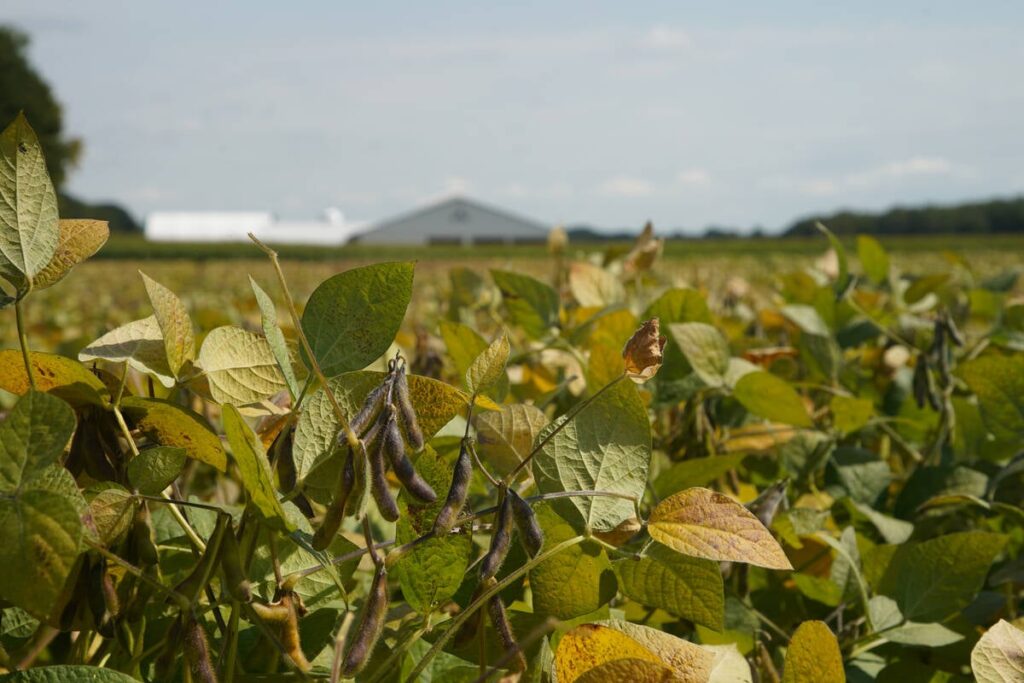
Sold under the name Virestina, the herbicide contains the active ingredient metproxybicyclone and is labelled for use in crops such as soybeans. It targets grass weeds such as wild oats that have developed resistance to Group 1 herbicides.
Read Also
Size of canola carryout will have major impact
The USDA’s Canadian canola carryout number is more than double what Agriculture Canada is forecasting.
Why it Matters: Group 1 herbicides are a key tool for controlling wild oats and other grassy weeds, so any new option that may overcome resistance could help extend their usefulness.
The company describes the product as a “step-change” within Group 1 herbicides, also known as ACCase inhibitors. While not a new mode of action, it represents a new chemical class within the group.
Syngenta says the herbicide can overcome both target-site and metabolic herbicide resistance. Target-site resistance occurs when the weed’s target enzyme changes so the herbicide can no longer bind, while metabolic resistance allows the plant to break down the herbicide before it can act. Metabolic resistance can make weeds harder to control because it can confer resistance across multiple herbicide groups.
According to the company, the new chemical can control grass weeds carrying known ACCase resistance mutations that render existing Group 1 herbicides ineffective.
However, publicly available data on resistant populations remains limited.
Agriculture Canada weed scientist Breanne Tidemann said that based on her reading of the available research, resistance testing has focused on species such as ryegrass, with little information on how the product may perform on weeds common in Canadian systems, such as wild oats.
While the product has shown efficacy on the species, Tidemann said it remains unclear, based on current publicly available data, how different resistance mechanisms will be controlled.
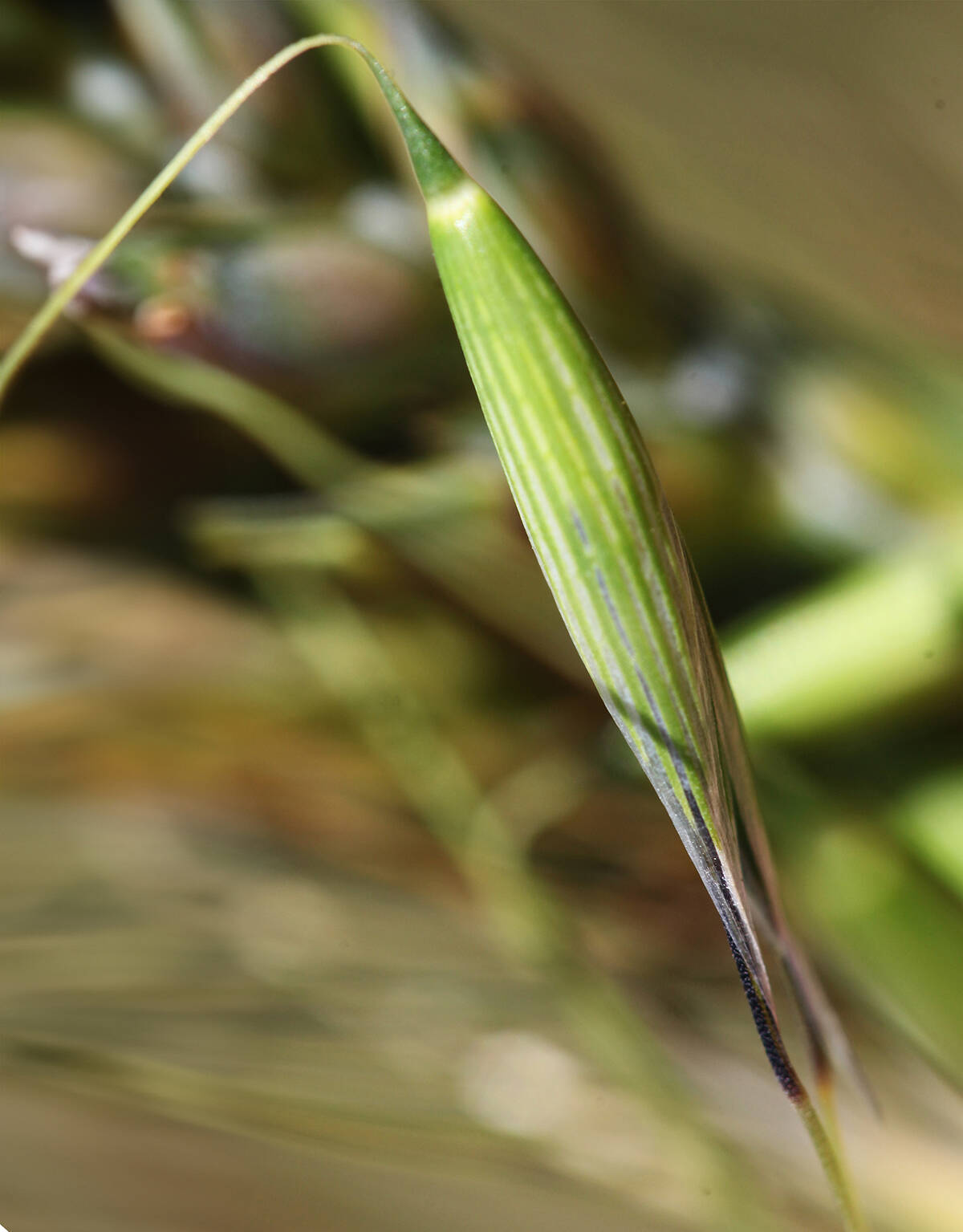
As a Group 1 herbicide, it would be expected to control grass weeds such as wild oats, and available research does show activity.
However, Tidemann said it does not appear to be selective in cereal crops based on currently published research, meaning its use would potentially be limited to broadleaf cropping systems or pre-seed applications.
Virestina’s launch in Argentina is being marketed mainly for soybeans.
Peter Sikkema, a retired professor in the Department of Plant Agriculture at University of Guelph, said the product belongs to a new chemical family within Group 1 herbicides and may bind differently to the ACCase enzyme, which could help explain its effectiveness on some resistant populations.
“If it does (provide control of Group 1-resistant annual grasses), that will be a huge benefit to farmers in Western Canada, at least for a while,” he said.
Sikkema added that it is his understanding the product is not expected to be registered in Canada until the early 2030s. Syngenta’s Canadian division said it is too early to provide a timeline.

Source: producer.com