
Monette Farms: is bigger always better?
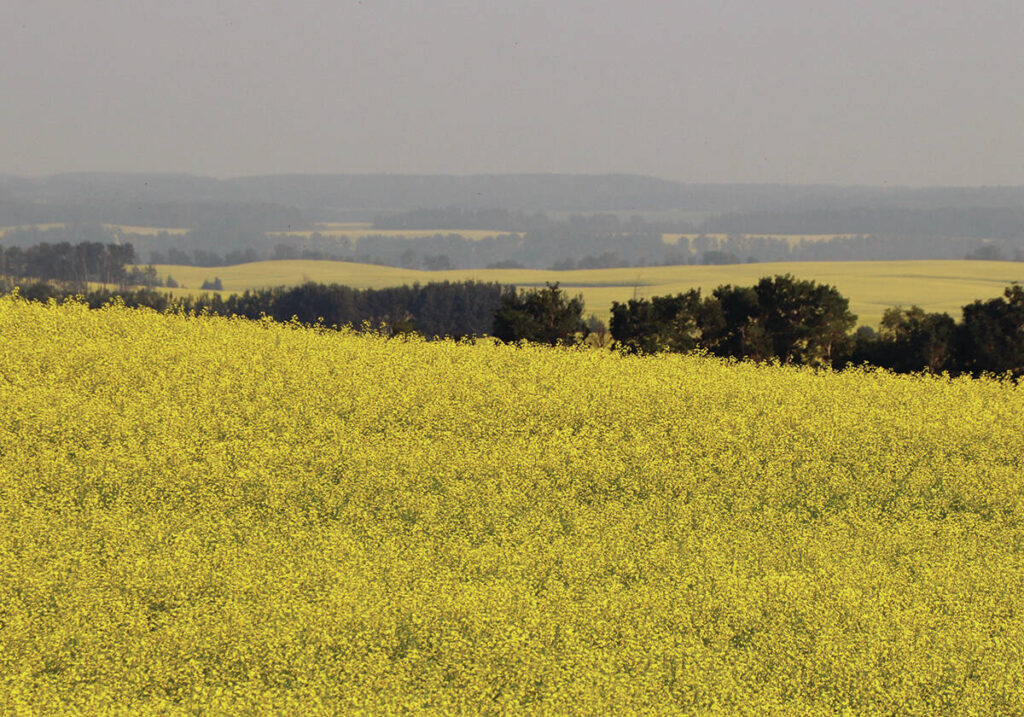
WINNIPEG — Since April 21, when news broke that Monette Farms had applied for creditor protection, much has been written about the mega-farm and how it got into financial trouble.
The court-appointed monitor that’s overseeing the process, FTI Consulting, has already published a report with detailed information on Monette Farms and its business operations.
Item No. 27 in the report summarizes what went wrong in 13 words.
Read Also
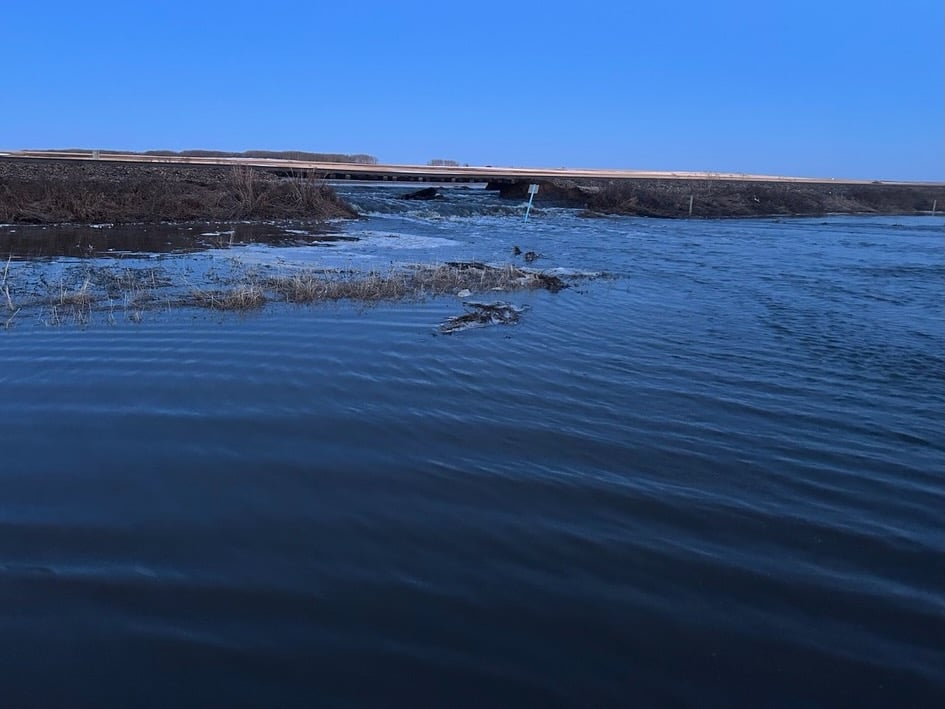
Farms face flooding in northeastern Saskatchewan
Flooding in northeastern Saskatchewan could cause seeding delays and adjustments if there is any more moisture in May.
“Significant expansion, primarily funded from debt, has resulted in significant levels of indebtedness.”
This “Captain Obvious” comment about the financial status of Monette could be a cautionary tale for producers who are thinking about expansion.
Monette Farms, which owned about 274,000 acres of land in Western Canada and the United States and rents more than 200,000 acres in Canada and the U.S., grew rapidly from 2015 to 2023.
It purchased or rented grain land across the Prairies, got into the cattle business in British Columbia, operated an organic farm in Arizona and ran about 18 businesses under the Monette Group banner.
That expansion happened thanks to money from a syndicate of banks (including ScotiaBank), which loaned Monette more than $900 million. That outstanding debt and other debts became unmanageable over the last 18 months, leading to creditor protection.
Growth is important for all businesses, but producers should expand their farms in a thoughtful manner, says an agricultural economist at the University of Saskatchewan.
If that doesn’t happen, there’s a risk of making assumptions that aren’t true, such as, “when my farm gets bigger, I will be more efficient and more profitable.”
“We can see that (when) there are economies of scale, we might be able to purchase inputs at a better price … and lower our cost per acre or cost per tonne and increase our margin on what we’re producing,” said Eric Micheels, who specializes in farm financial management.
“The issue with that, is it’s all theoretical and optimistic. We’re hoping for that. Things have to align for that to work.”
Learning from history
Many farmers have expanded and succeeded in Western Canada, but there are multiple cases of mega-farms that were financial disasters.
A recent example is One Earth Farms, which grew to 250,000 acres of mostly leased cropland before it collapsed in 2014.
The leaders of One Earth assumed that scale would increase profitability.
It didn’t.
“There was always this notion (at One Earth) that eventually a certain number of acres will make you profitable,” One Earth chief executive officer Mike Beretta said in 2014.
“We actually will have better returns this year on 4,000 acres than we ever did in all our other cropping operations. So, I don’t believe it’s just a scale thing.”
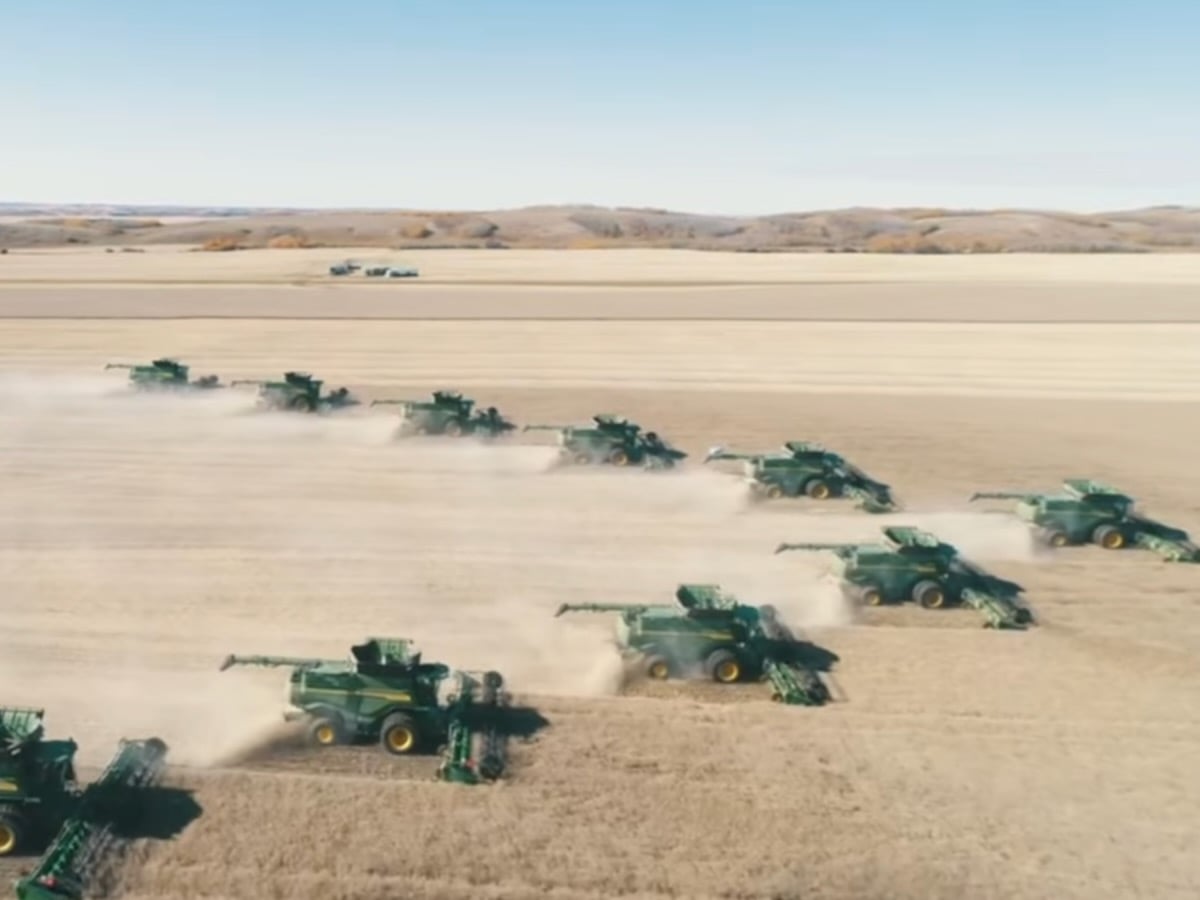
photo:
Monette Farms video screengrab via YouTube
Micheels doesn’t know if Monette followed a detailed process before buying land or expanding into new businesses. However, success is more likely if a producer takes the time to answer some hard questions about a potential expansion, such as:
- What does this mean for farm labour and labour availability?
- What does it mean for farm logistics?
- Can we tolerate an increase in interest rates?
“Go through careful planning of the risks you’re going to face,” Micheels said.
“Are they manageable? Monette may have done this (analysis), I don’t know.”
Same challenges on smaller scale
Getting back to the FTI Consulting comment on how debt-fuelled expansion caused unmanageable debt for Monette, some Canadian farmers may be facing a similar challenge on a smaller scale.
As an example, say it was 2022 and a young producer bought 2,000 acres of cropland in Saskatchewan to increase the scale of his farm.
A bank would have financed the expansion because the value of the farmer’s land base had been climbing. Since about 2005, farmland values have tripled or quadrupled on the Prairies, with annual increases of five, 10 or 20 per cent.
Owning an appreciating asset is great, but the producer receives the capital gains from farmland when they sell the land.
That could be 25 years from now.
In the meantime, the young farmer in this example needs to improve his efficiency and returns per acre. If economies of scale don’t produce the desired result, financial trouble is brewing, Micheels said.
“Debt financing works when your return on assets is greater than your cost of debt. The money you make on those assets should be enough to pay for the debt servicing and other aspects of the business,” he said.
“What happened in this case (with Monette) is that debt got re-priced … at the same time that the return on assets (declined).”
From 2017 to 2022, Monette added more land, and farm revenues jumped from $45 million to $198 million, says FTI Consulting.
“Despite an increase in farmed acres and revenues, beginning in 2024 the Group’s EBITDA (warnings before interest, taxes, depreciation and amortization) from the farm operations has not been sufficient to cover interest payments.”
What the Monette saga means for grain farming and agriculture in Western Canada is anyone’s guess.
Some believe that the psychology has shifted in 2026, where producers and lenders have less tolerance for risk.
That could be true, or maybe nothing has changed.
If a parcel of land comes up for sale in Saskatchewan, neighbouring farmers still want that land and will compete for it, said Harry Sheppard, who runs Sheppard Realty in Regina.
“They’re buying it. They’re paying record-high prices.”

Source: producer.com