

New national standard to give common language for reporting food waste
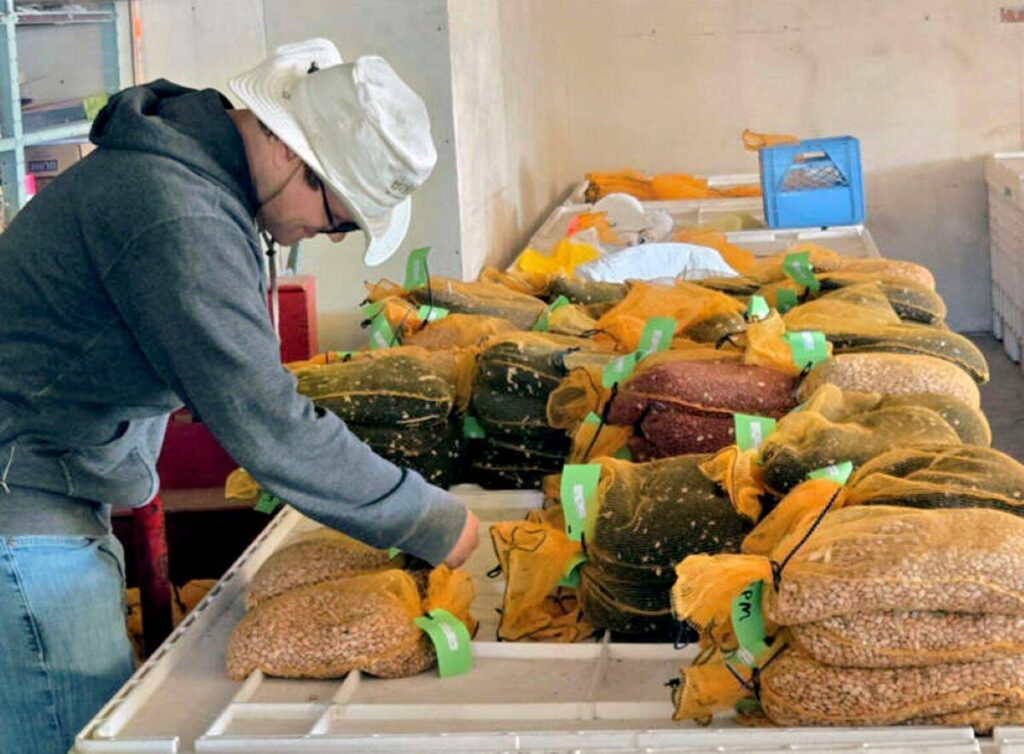
A first-of-its kind national standard looks to create a common way to measure food loss and waste in Canada.
“The aim is quantifiable, comparable information,” said Lori Nikkel, vice chair of the CSA Group technical committee on food loss and waste in a Tuesday morning briefing.
CSA Group, a standards organization formerly known as the Canadian Standards Association, published CSA K100, Food loss and waste-terminology and measurement.
The standard will help organizations, including farms, identify the causes and destinations of food waste, measure it at key points in the value chain and find suitable destinations for surplus food, CSA Group said in a news release.
Food waste accounts for $58 billion in annual losses in Canada, CSA Group said. It also contributes to environmental damage.
It will also provide a standardized way to measure waste across the value chain.
“If you’ve ever tried to compare food loss across a grower, a processor, a grocery chain and food service, it’s very difficult,” Nikkel said. “Every part of the chain has been measuring different things, calling them different names and reporting in different units.”
Read Also
“Until everyone speaks the same language, we cannot compare set baselines or measure progress,” she continued. “K100 closes that gap.”
Improving data quality and comparability can help organizations and policy makers make better decisions, e.g. where interventions can have the greatest effect.
Define, measure, reduce
The system involves three main steps: define, measure, reduce.
- Define aims to quantify where loss begins and ends
- Measure determines “not just what to count, but how, where and what to do with the data”
- Reduce suggests alternatives for potential waste, like donation and redistribution
Sections of K100 apply to specific steps on the value chain like retail, wholesale and primary production, defining what is and is not food loss.
Food loss in primary production might include finished animals going unprocessed, and unharvested mature crops. Immature crops and materials produced for uses other than human consumption are not considered as waste or loss.
K100 also provides a non-exhaustive list of causes of food loss and waste in primary production. This includes poor quality inputs, overproduction, order cancellations, improper handling and inadequate infrastructure.
CSA’s standards are non-binding, though Nikkel said they can help producers evaluate issues like their environmental impacts.
“If you’re reporting avoided greenhouse gas emission reductions against the sustainability target, you need a defensible methodology behind the number,” Nikkel said. “K100 gives you one.”
She added 80 per cent of CSA standards end up referenced in regulation or by industry and said CSA is advocating for support from federal and provincial governments.
Source: producer.com