
Summer holidays bring renewed focus on farm kids’ safety
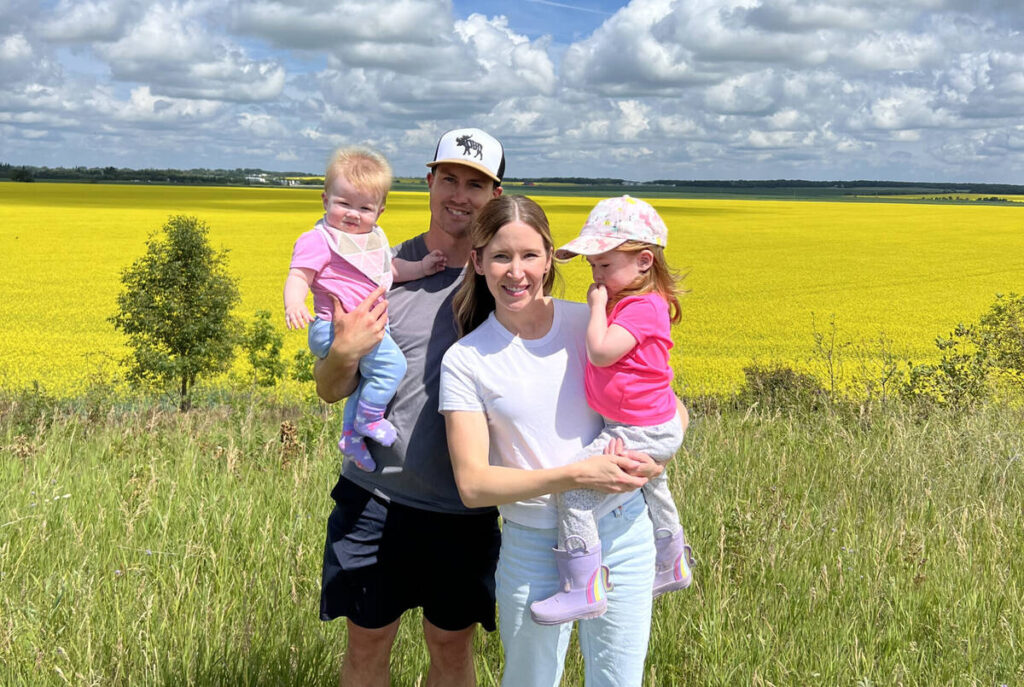
As children head into summer holidays, the Canadian Agricultural Safety Association is urging farm families to think ahead about how kids will fit into the daily work of the farm.
“Keeping kids safe on the farm is a year-round job,” said Robin Anderson, CASA’s director of programs and communications.
But with summer holidays on the horizon, more children will be around busy farmyards during the workday.
Summer holidays can put more children near busy farmyards, machinery and livestock.
Summer changes the rhythm of farm life, Anderson said. Children are no longer in school or regular after-school programs, while farm work continues through haying, yard work, equipment movement and, eventually, harvest.
That makes planning important.
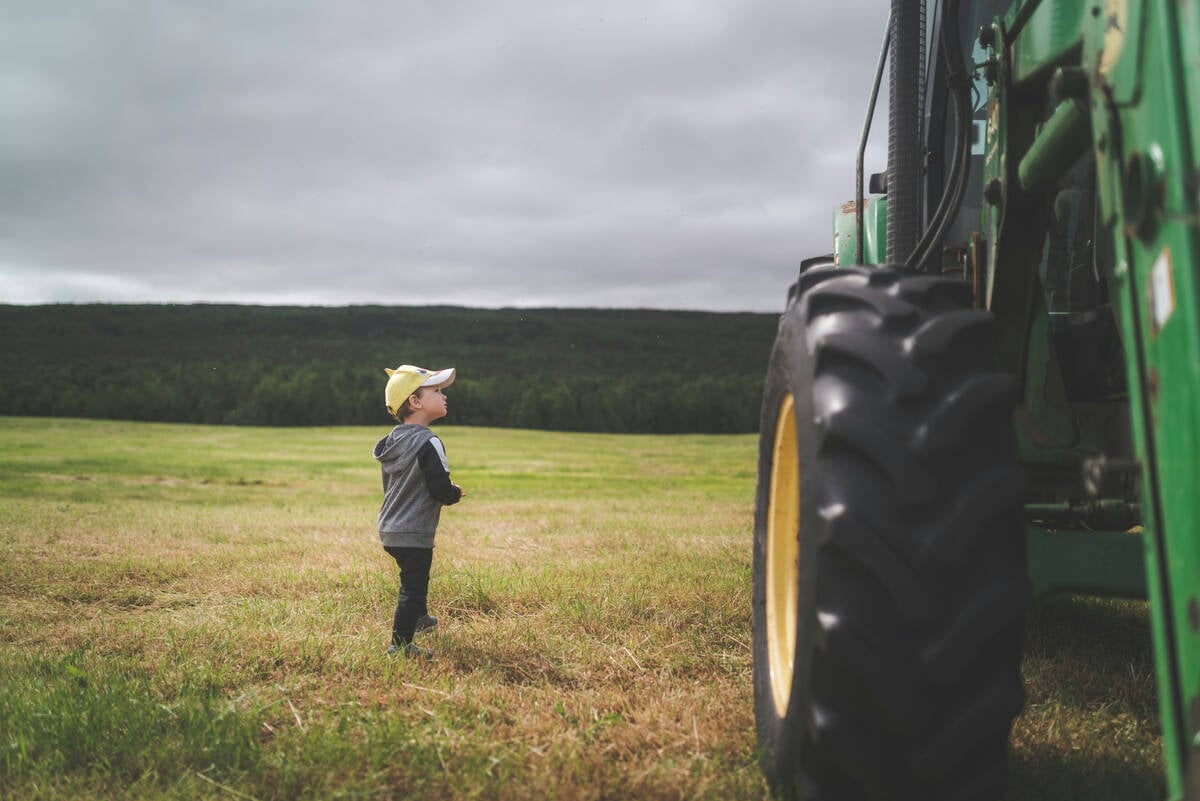
Photo:
Stephen Andrews, Unsplash
“Kids are home from school, so they don’t have that structured day-to-day stuff,” she said.
“Now we have to integrate kids being home with farm work.”
That means deciding ahead of time where children will be, who will be watching them and what areas are off limits before the workday gets busy.
Read Also

CASA’s safety materials point to machinery runovers as one of the greatest risks for children on farms.
According to Canadian Agricultural Injury Reporting data cited by CASA, there were 435 child and youth fatalities on Canadian farms from 1990 to 2020.
Machinery runovers accounted for 32 per cent of those deaths and were the leading cause of farm-related fatalities among children between the ages of one and nine.
“Little kids tend to be fairly curious,” she said.
“They’re very small, of course, and they require constant supervision.”
She said machinery can be especially attractive to children who grow up around agriculture. Farm toys, pedal tractors and farm shows can help build interest in farming, but children still need to understand working machinery is not play equipment.
“It’s not weird that they’re excited or interested,” Anderson said.
“It’s just sheer curiosity.”
That curiosity needs to be handled in a safe way, she said.
CASA recommends operators walk around machinery before starting it, keep children away from machinery routes and work areas, avoid extra riders and teach children about blind spots.
Children should also be taught that seeing the operator does not mean the operator can see them. Lights and backup cameras should be kept clean and working, but technology is not a substitute for supervision.
Safe play areas are another major part of CASA’s advice. Anderson said they should be separate from machinery routes, livestock areas and other work zones. They should also be interesting enough that children are less tempted to wander toward activity in the yard.
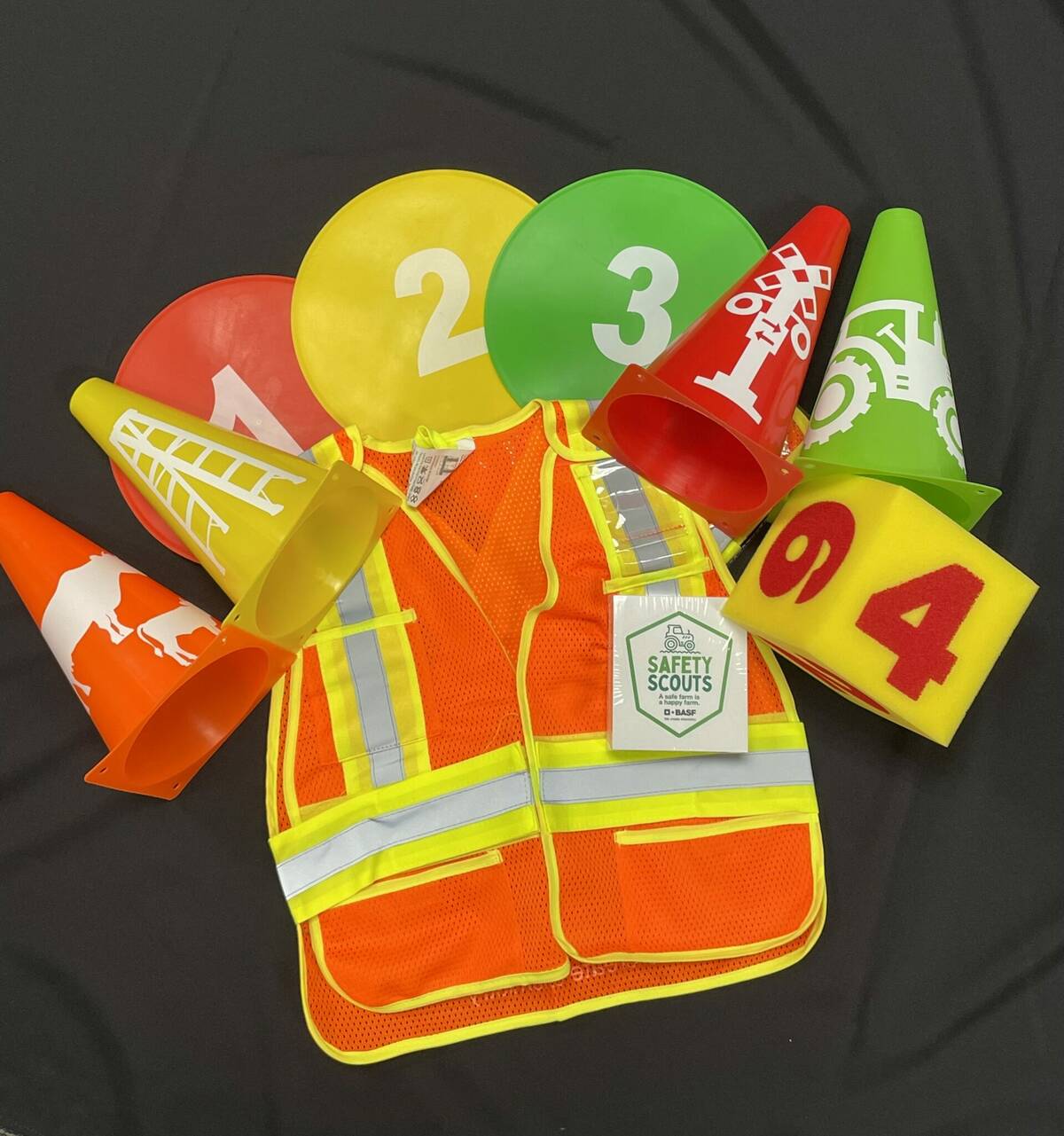
Photo:
CASA
However, CASA warns that safe play areas are not a replacement for adult supervision.
Match jobs to age and ability
Anderson said families should also be careful not to mistake a farm child’s knowledge for maturity. Some children can identify equipment, understand farm language and seem confident around machinery at a young age, but that does not mean they are ready to take on more risk.
“Even though these kids appear to be so mature and so knowledgeable, they’re still really children,” she said.
CASA points farm families to the Ag Youth Work Guidelines, which help parents and supervisors decide whether a child or teenager is ready for specific farm tasks. The guidelines consider ability, hazards, protective strategies, adult responsibilities and supervision needs by age.
Anderson also pointed families to the BASF Safety Scouts program, which sends participating farm families a kit with a safety vest, activities and conversation starters for talking to children about farm hazards. CASA also has resources on building safe play areas.
Livestock needs respect
Livestock are another summer safety concern, particularly when children are around young animals and protective mothers.
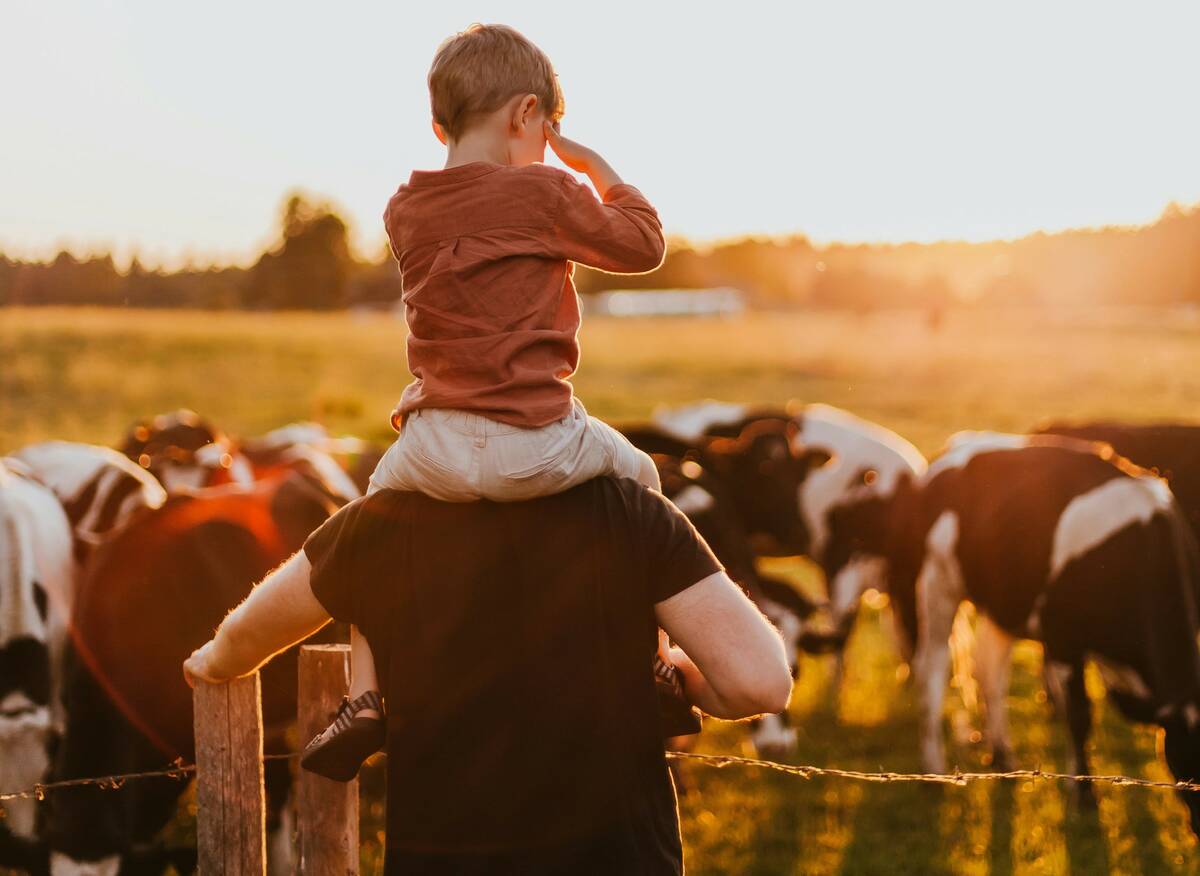
Photo:
Unsplash
Anderson said newborn calves and other baby animals naturally attract children, but mother animals can become aggressive if they feel their young are threatened.
“Nothing is more adorable than a baby animal,” she said.
“But of course, we do know that mother animals are awfully protective.”
CASA recommends children never be left alone around livestock, even animals that are usually calm. Children should be taught to stay out of enclosures without supervision, approach animals slowly, use calm voices and avoid the hind legs of large animals such as cattle and horses.
The association also urges parents to teach children warning signs of fear or aggression in animals, such as pinned ears, stomping, rapid tail movement, head shaking or loud noises.
Anderson said the broader goal is not to keep children away from farm life but to make sure they can learn and grow safely.
“We don’t want to get rid of kids on the farm,” she said.
“We want kids to grow up to be the next generation of farmers and ranchers, but that means keeping them safe.”
More resources are available at kidsfarmsafe.ca.
Source: producer.com