Farming in Canada’s north can take a real toll on mental health
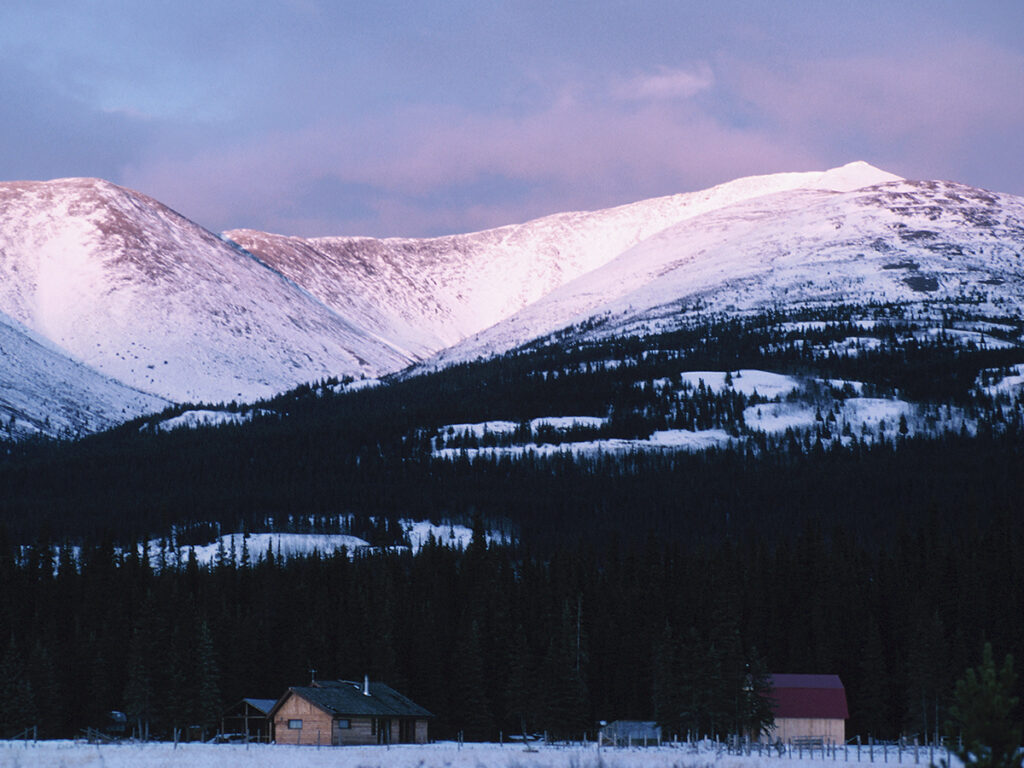
This past winter was tough for Yukon dairy farmer Krista Roske and her husband, Jason.
After a hard cull of their dairy herd in the fall, and some genetic diversity and insemination issues with the remaining cows, they didn’t have enough animals to keep up milk production throughout the winter.
The couple made the difficult decision to temporarily shut down the Yukon’s only dairy farm for the winter months.
Roske knew she was burnt out and exhausted when the seed catalogue came in December, and she wasn’t even excited.
She knows all too well how difficult farming can be — especially farming in northern Canada — which is why she became Yukon’s ambassador for the Do More Agriculture Foundation.
The Yukon and the rest of the northern territories are well known for being cold and dark, but the challenges of farming above the 60th parallel go beyond simplistic stereotypes.
Read Also

“Farming has its challenges and benefits, anywhere,” said Lucia Stephen, operations and outreach manager at the Do More Agriculture Foundation. “But the conditions and constraints in the North are unlike anywhere else in Canada. All the more reason, in my opinion, to shine a light on it.”
Highlighting mental health in agriculture
The tough-it-out mentality still prevalent in Canada’s agriculture industry makes it more difficult for people to talk about how and why they are struggling, said Stephen.
And so, this past January, Roske was instrumental in bringing the Deep Rooted documentary, a film that highlights the mental health of Canadian farmers, to a small crowd in Whitehorse, Yukon.
Stephen was a guest panellist as part of the post-viewing discussion, along with Roske and local egg farmer Cathy Stannard. Stephen also spent part of her trip speaking with Roske and the executive director of the Yukon Agricultural Association, Hannah Fish, about the realities of farming in the Yukon.
Panellists were willing to speak openly and honestly about what they are going through on their farms. “People have to allow themselves to be vulnerable in order to talk about their mental health,” said Fish.
“Especially today, with food security and regional production becoming increasingly critical, the work Yukon farmers are doing is vital,” said Stephen. “Connecting directly with farmers, hearing their experiences and learning about the diversity of production firsthand was incredibly enriching.”
Fish hopes more men will be willing to do the same in the future. She understands that farmers are passionate about farming, but they need to talk about it as well — the good and the bad.
“It’s important to be able to talk about it so when you’re advocating for yourself or having a disagreement on something, people can understand that it’s not because I’m cranky, it’s because this is a lot of stress,” Fish said.
Roske said that having Stephen there, as well as two Yukon-based counsellors with the Canadian Mental Health Association, was an important addition to a difficult discussion.
“Not only did attendees have someone to talk to if needed, but Stephen and the counsellors themselves got to watch the documentary, listen to the panel discussion and learn about the specific challenges of agriculture in the North,” said Roske.
“They could see the movie and they could hear those … on the panel talk about (their) lived experience.”
The pressure to succeed
While small in terms of the number of producers, acres and market access, especially compared to other parts of the country, the Yukon Agricultural Association consists of approximately 90 members across the territory, and includes producers of livestock, grain, vegetables and more.
And though the Yukon is a small player in the agricultural world, its farmers need support and resources just as much as farmers in the rest of the country, said Stephen.
For Roske, the misconception that agriculture doesn’t and can’t exist in the North is why government officials at all levels, and the national agricultural industry as a whole, don’t take Yukon farming seriously.
“And that way of thinking causes a lot of stress and pressure for Yukon farmers to succeed,” said Roske.
Living in a small community where everyone knows everyone also doesn’t make mental health discussions and finding help easier, said Fish.
“There is pressure to keep things under wraps, because farmers don’t always know who they can be vulnerable with,” she said.
And, Roske said, honesty isn’t always good for business, especially in the world of social media.
She said that while everyone loves the posts about a new baby cow, no one wants to see the stress that comes with the nitty-gritty of farming, such as getting their animals vaccinated, ensuring equipment is properly sanitized or when they lose an animal during a cold snap.
Roske will talk to people in person about things like this but said this is not something she’ll ever post on her Instagram.
“There’s a lot of pressure to not screw up, and social media makes that significantly worse,” she said.
Even though they are isolated from the rest of Canadian farmers, Roske knows they are not alone in the Yukon. Sharing as much content as she does through Do More Agriculture’s social media, Roske will receive check-in messages from followers asking if she’s okay, even when she is just sharing posts for informational purposes.
Which is the point Roske wanted to drive home to the crowd at the documentary screening. She stressed that checking in with each other could happen more often among Yukon’s small farming community.
She, for one, will always be there to listen.
Source: producer.com