
New water well monitoring guide designed to help producers
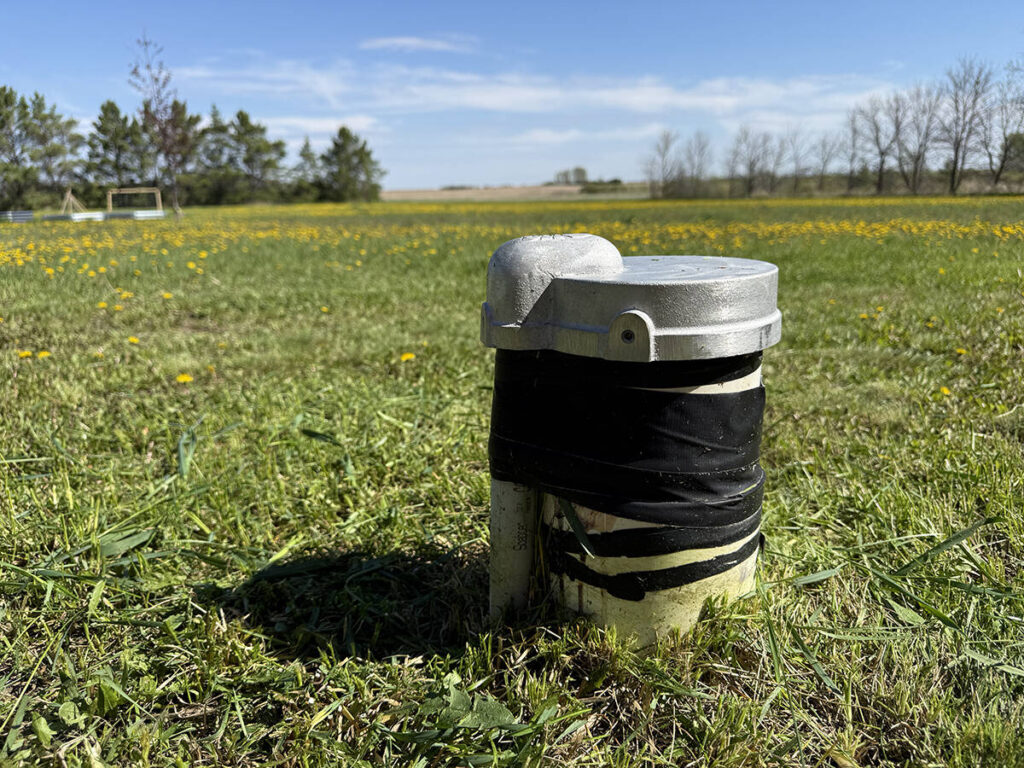
A new guide may help farmers monitor water wells safely and simply.
A water well-monitoring parameters technical guideline is designed to guide users on water well-monitoring parameters, sample collection, frequency and results assessment and may help protect groundwater from contamination due to manure storage facilities or manure collection.
Recently developed by the Technical Advisory Group, the guideline was a collaboration among the Alberta government, Natural Resources Conservation Board and the agriculture industry. It contains advice on monitoring water wells used for domestic or livestock purposes that are located near confined feeding operations or manure facilities.
In Alberta, annual water well sampling is recommended for anyone with a household or farm water well, said Vince Murray, AOPA engineer with the Alberta government and co-chair of TAG.
As the regulator, the NRCB can require the monitoring of these types of wells at confined feeding operations or manure storage facilities. The board determines frequency of testing depending on the situation and interpretation of test results.
Read Also
Monitoring programs typically focus on data that indicates potential groundwater effects such as chloride and nitrate-nitrogen, which are found at high levels in manure and can quickly move through soil and groundwater.
Based on provincial data, chloride levels of 120 mg/L or above, or nitrate-nitrogen levels at 3 mg/L or higher, are indicators that groundwater may be affected.
The NRCB may also request E. coli and coliform tests to further evaluate contamination concerns, including but not limited to situations such as:
- wells that may be at higher risk due to location or surrounding conditions
- rising chloride or nitrate levels or signs of a problem above the set limit
- wells that have previously tested positive for bacteria
Murray says it’s important to use consistent sampling methods, test the same indicators and report results the same way each time. He also recommends using the same accredited lab to reduce variation in results.
Under current regulations and operations, new manure storage facilities or collection areas cannot be built within 100 metres of a household or farm water well. However, this distance may not apply if it can be demonstrated to the NRCB that the well is unlikely to be contaminated.
In this case, the NRCB may also require water well monitoring.
The new guide can be found here: Water Well Monitoring Parameters Technical Guideline.
Identifying Manure Storage Facilities and Manure Collection Areas at Confined Feeding Operations has information on the rules surrounding manure storage facilities and manure collection areas.
Questions about permit conditions, water well-sampling requirements and how to submit samples can be directed to 310-FARM or the nearest NRCB field office.
Source: producer.com