
Producers may have to supplement feed as pastures catch up
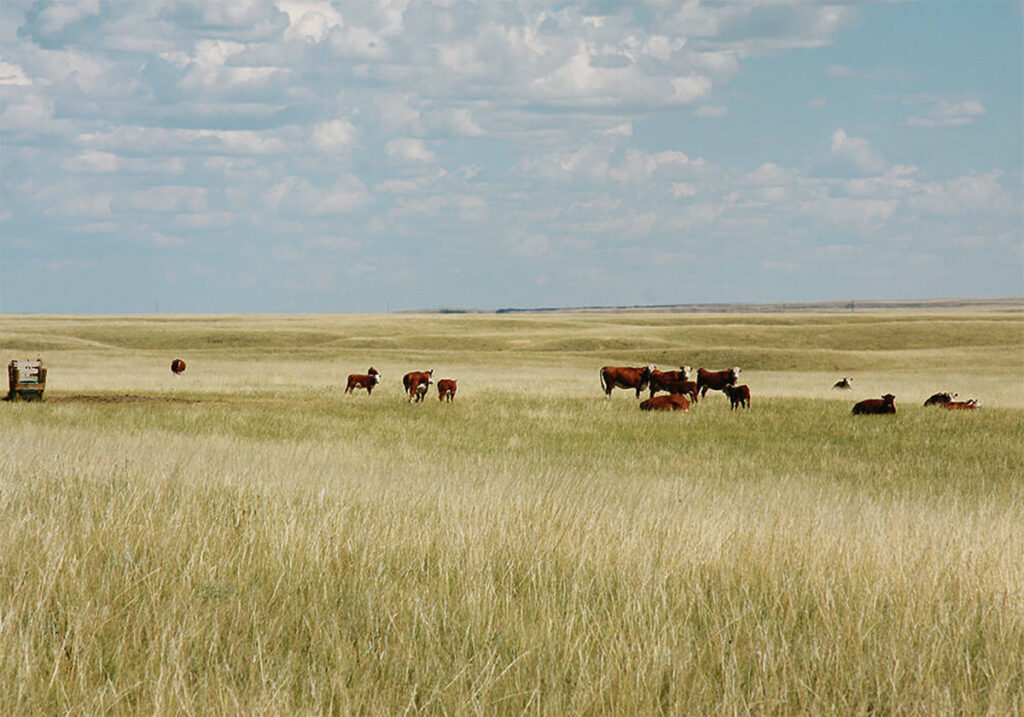
Pasture growth across much of the Prairies is running behind normal after a cool, dry start to spring, forcing some cattle producers to delay turnout or supplement with stored feed as they wait for grass to catch up.
Near Strathclair in western Manitoba, farmer Zack Koscielny said pastures have been slow to get going after a dry lead-up to winter and limited moisture this spring.
“Our pastures seem to be pretty slow,” he said. “But we just got half an inch yesterday; that takes us to almost an inch in May.”
Cool weather has slowed pasture growth across the Prairies, forcing many producers to rethink turnout timing and feed plans as they wait for grass to catch up.
That recent rain, paired with a warmer forecast, could quickly change the outlook, he added.
“With this last rain and more heat coming, I think things will look much different by this time next week.”
But his region still needs regular, substantial rainfall to keep going through summer after such a dry start, Koscielny said.
Delayed turnout across Manitoba
Across much of Manitoba, livestock and forage specialists say cool temperatures have been the main drag on pasture growth.
Read Also

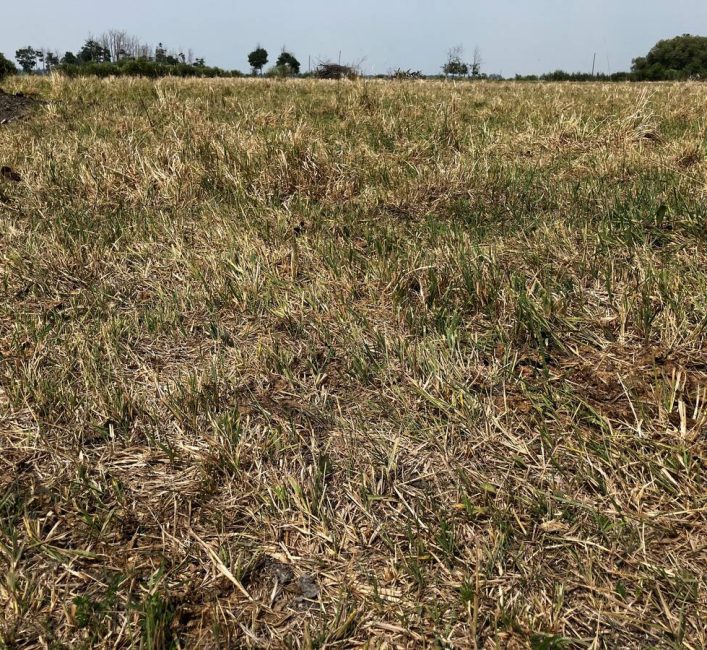
Photo:
File
“Pasture growth has been slow and delayed due to cooler conditions,” said Elizabeth Nernberg, a livestock and forage extension specialist with Manitoba Agriculture based in Roblin.
Growing degree days since May 1 have run between 37 and 88 per cent of normal across the province, she said, while rainfall in some areas has been as low as 18 per cent of average.
“This year is a good reminder of timing the turn out of cattle to pasture based on forage growth and not a calendar date,” Nernberg said.
Many producers are relying on stockpiled forage, supplemental feed or “sacrifice” pastures to buy more time, she added.
In southern Manitoba, forage growth was still a couple of weeks away from the recommended three- to four-leaf stage for turnout in the second half of May, said Josie Pedersen, a livestock and forage extension specialist in Killarney. However, some producers have already started grazing because winter feed supplies are running short.
Producers near Portage la Prairie are being encouraged to hold off until grasses hit that stage to protect long-term pasture health, said specialist Cindy Jack.
In eastern Manitoba near Beausejour, delayed growth may complicate plans for producers hoping to turn bulls out with cow herds in early June, according to Manitoba Agriculture’s Kristen Bouchard Teasdale.
“Some may choose to move cattle to pasture while continuing to supplement with stored feed,” she said.
Saskatchewan sees mixed conditions
Conditions in Saskatchewan are similarly mixed.
In Humboldt, cool weather has slowed grass development, said Rikki Wilson, a livestock and feed extension specialist.
“It’s been kind of a slow start,” she said. “A little less grass than we’re used to seeing this time of year, but we should get back on track pretty quick here.”
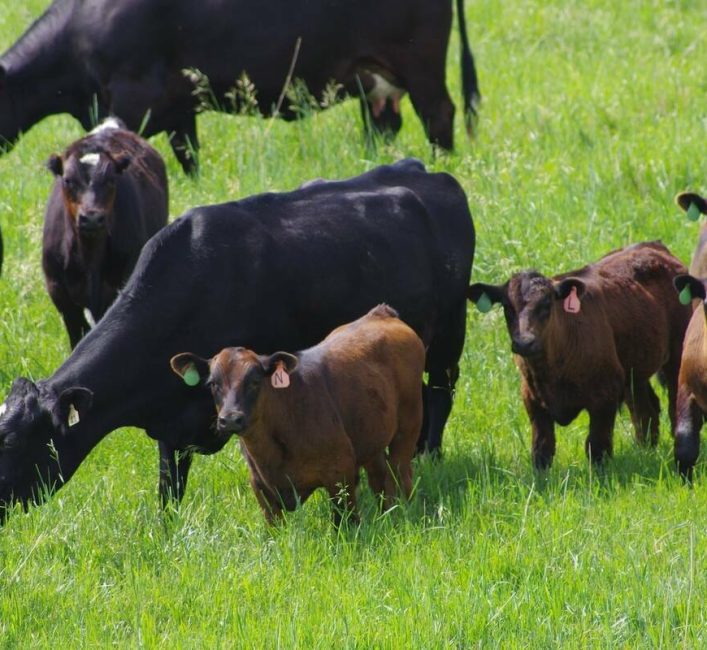
Photo:
File
Unlike Manitoba’s widespread dryness, some Saskatchewan regions have excess moisture.
Late snow and runoff caused localized flooding in some areas, Wilson said.
In the Kindersley area, livestock and feed extension specialist Chelsey Siemens described conditions as variable, with some dry patches persisting despite recent moisture.
“A lot of the region got some good moisture last week, so that’s making everybody optimistic,” she said.
Alberta off to a stronger start
Parts of Alberta are faring better.
There was plentiful snow and spring rain in the Peace region, according to Alaina Archibald of the Peace Country Beef and Forage Association, a relief after years of drought.
“Everything’s actually looking quite good,” she said. “There’s a decent amount of moisture in the soil, and things are greening up quite nice.”
Near High River and Diamond Valley, dugouts are full and conditions are exceptional.
“There’s pretty much nothing but optimism,” said Ben Campbell of the Foothills Forage and Grazing Association, citing strong spring moisture and high cattle prices.
Source: producer.com