

Comfort in a bowl | The Western Producer
My sister flew in to visit our elderly mom last week. She’d caught something vile on the plane, and she arrived with this terrible hoarse cough that sounded painful, the kind of cough that makes me think of scraping a blade across a rough rock. Listening, I cringed, remembering my bout of COVID, my throat so ruined that I could do nothing but eat ice chips for days.
My sister came to our home instead of Mom’s and climbed into our guest bed.
“Tea?” I asked. She nodded. When I inquired about appetite, she shook her head.
Several hours and mugs later, she whispered, “Chicken soup.”
Off I went to my kitchen. Soup is the great duvet of cooking. Cooks around the world rely on its generosity when their loved ones are unwell. Even in its simplest form, soup’s steam and aroma offer a blanketing warmth that eases congested chests, smooths roughened throats, calms ruffled tummies.
Read Also

Soup’s liquid requires only a cupping motion, a humble spoon, maybe a finishing slurp. Offering the gentlest of textures, the most unctuous of flavours, the tenderest of intentions, soup is tailor-made for healing, for consolation, for comfort. Soup nourishes and sustains.
Soup is undemanding of the cook. A little time is essential, as are inspiring but everyday aromatics: onions, garlic, maybe ginger for troubled stomachs.
When seasoning a chicken soup, I love to throw in a pinwheel or two of star anise, which tastes cheekily, subtly, spicily of licorice. Star anise is reminiscent of cinnamon, the same sweet, piercing notes, the same aromatic hint of autumn, its earthy flavour perhaps familiar to fans of root beer and sarsaparilla. And like ginger and licorice, star anise is a good settler of unruly stomachs and digestive systems.
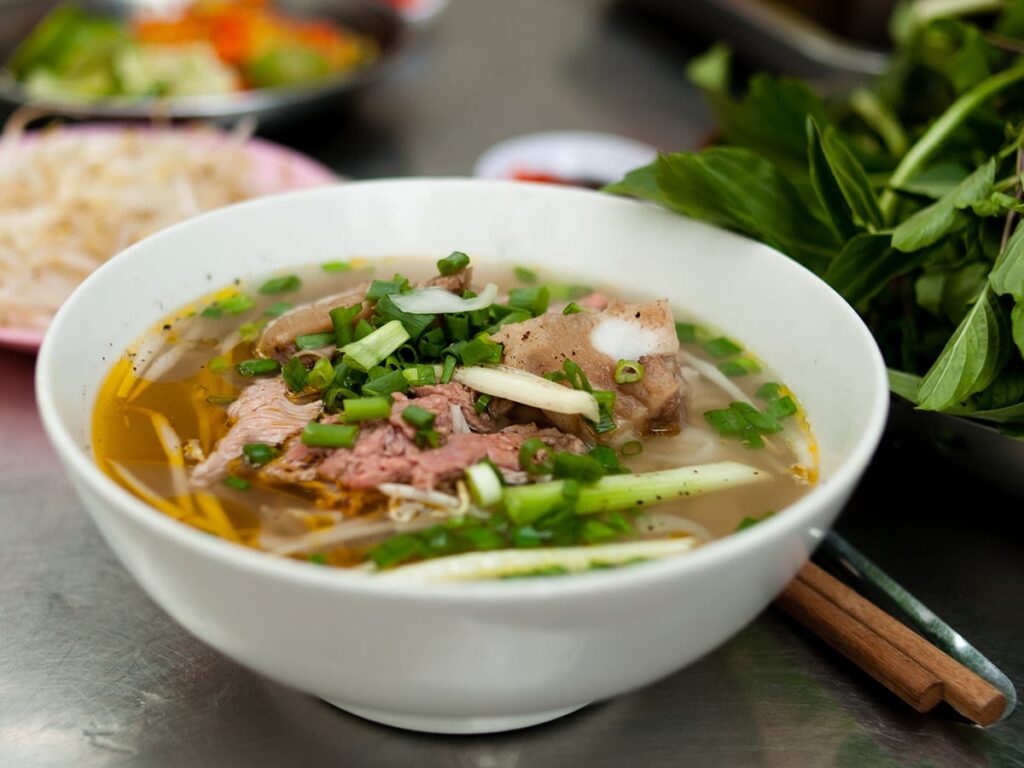
The classic Vietnamese chicken noodle soup called pho sounded like an ideal antidote. I put a pot of chicken stock on to simmer and started an infusion: ginger root, garlic, a stick of cinnamon, a few star anise pinwheels, whole cloves, cracked black cardamon, a handful of coriander seed, a beggar’s pinch of peppercorns. As it simmered, I added a pair of chicken breasts to the pot. Half an hour later, I removed the chicken, pulled off the skin, diced the meat, then set it aside to add later to the finished soup.
The broth smelled appetizing, the subtle blend of spices underlining the chicken stock’s heft and meaty weight.
I strained out the spices, added umami in the form of fish sauce, salt in the form of soy sauce, then soaked some rice sticks to add as noodles for my wheat-intolerant sister, and chopped up a handful of snow peas to add a pop of colour and texture. I found myself wishing for my summer garden’s spearmint and cilantro leaves, but settled instead for hardy chives and parsley as garnish.
When the soup was ready, I took a bowl to my sister with a spoon and a pair of chopsticks. When she asked for seconds, I knew I’d done a good thing.
First, we eat, then we thank whichever ancestors invented adding liquid to the chicken cooking over the fire.
All-Purpose Curative Pho
Snow peas and rice noodles will cook in hot soup in each person’s bowl if they are soaked in advance. Give the noodles a couple more minutes of standing time if they’re still chewy. If rice noodles aren’t your thing, use cooked spaghetti or linguini. In either case, do not put noodles in broth if you have leftovers: store them separately in the fridge to prevent the noodles from going soggy from absorbing all the soup broth. Serves 4-6
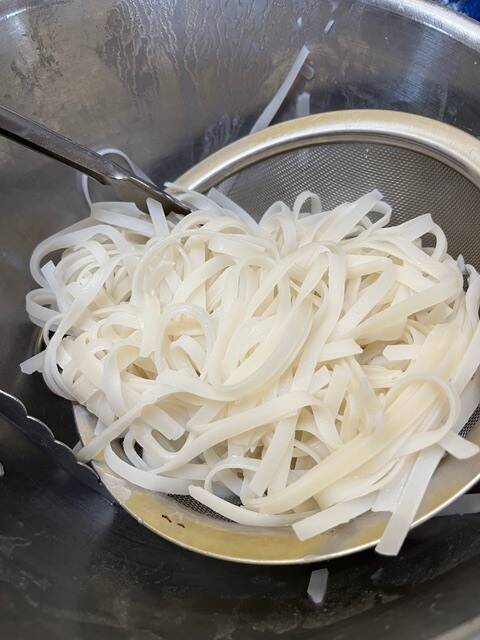
Photo:
dee Hobswan-Smith
- 2 quarts chicken stock
- 1 head garlic clove, smashed, divided
- 8 slices ginger root, divided
- 4 star anise pinwheels
- 2 black cardamom pods, smashed
- 6 whole cloves
- 1 tbsp. whole coriander seed
- 1/2 tsp. black peppercorns
- Salt as needed
- 2 chicken breasts
- 1 package rice sticks
- 2 tbsp. vegetable oil
- 1 onion, diced
- 2 carrots, julienned
- 1/2 c. slivered cabbage or Brussel sprouts
- 2 tbsp. fish sauce
- 2 tbsp. soy sauce
- A handful of snow peas, julienned
- A handful of spearmint, cilantro, chives or parsley, minced
- Hot sauce and lemon wedges to taste
Combine the stock, half the garlic, half the ginger and spices. Bring to a boil, then simmer for 15-30 minutes. Sparingly salt the chicken, add to the stock and poach until tender, about 20 minutes, longer if you added frozen chicken.
Remove the chicken, discard the skin, dice the meat and set it aside. Strain and reserve the stock.
Put the rice sticks in a large bowl and cover with boiling water. Let stand, turning several times, until pliable, about 15-20 minutes. Drain.
Heat the oil in a pot, mince and add the remaining garlic and ginger, and saut on low-medium heat until tender, about two minutes. Add onion and a pinch of salt, reduce heat, cover and sweat for 10 minutes, stirring a couple of times until tender. Add carrots and a bit of salt; sweat, covered.
Add cabbage or Brussel sprouts with a bit of salt and sweat, covered, on low-medium heat until tender. Add stock and chicken. Simmer for ten minutes, then add fish sauce and soy sauce.
Divide noodles among deep soup bowls, add raw snow peas, ladle in soup, then garnish with minced herbs. Add hot sauce and lemon juice to taste.
Source: producer.com