
Aging bridge threatens Vancouver port’s efficiency gains
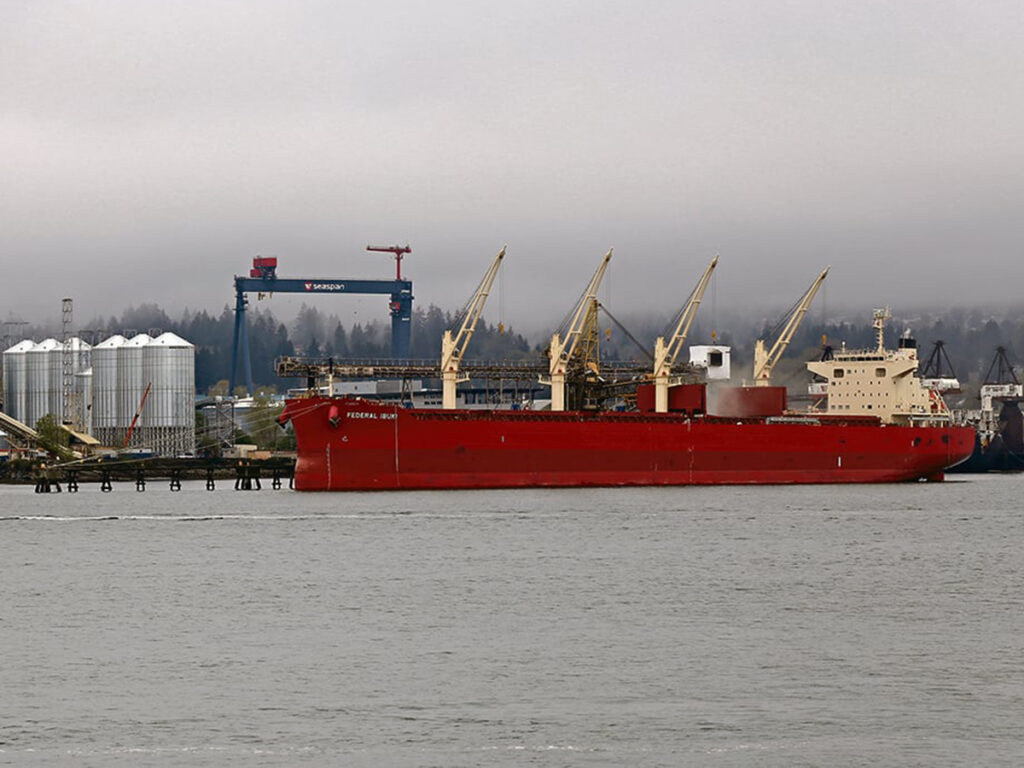
With the war in Iran causing fertilizer and oil prices to spike, there is a strong focus on the Strait of Hormuz and its role as a choke point for a significant portion of the world’s traded fertilizer and petroleum energy.
I was thinking of this as I learned that the Second Narrows rail bridge in Vancouver, the only way for trains to access the port’s North Shore grain, potash and coal terminals, was broken for several days in late February, locked in its down position.
That sounds like our own choke point.
Read Also
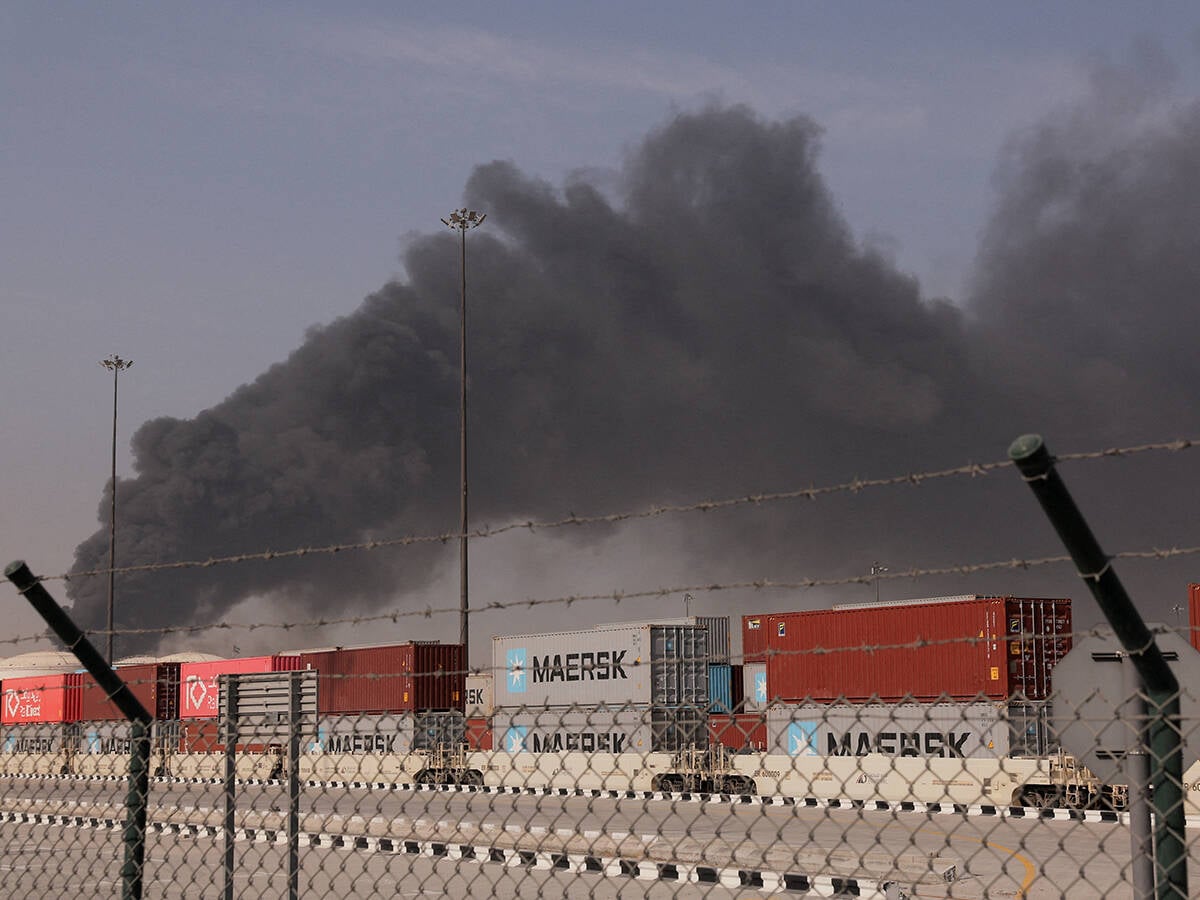
Pulse sales to Middle East markets are ‘frozen’
Pulse shipments to the Middle East are frozen. It is a market that purchased $769 million of Canadian pulses in 2025.
The structure, owned by Canadian National Railway, is a lift bridge with the centre span rising several times a day to allow ships to pass, including tankers serving the Westridge Marine Terminal, the loading point for oil carried by the newly expanded Trans Mountain Pipeline.
Because it was locked in the down position, the disruption had little impact on rail traffic, but it prevented about 13 ships from transiting the narrows.
I’ve written about this bridge before, and Canadian grain farmers and shippers have identified the infrastructure as a major economic risk, as this recent breakdown highlighted.
The bridge opened in 1968, replacing an earlier crossing, and now carries almost one-third of all cargo that annually moves through the port — 43.7 million tonnes in 2024.
That includes the G3, Richardson and Cargill grain terminals and Canpotex potash facility.
The port, and its partners, including CN, took steps to improve efficiency in recent years.
A new real-time vessel management system and central scheduling efficiently co-ordinate movement and reduce delays.
On the infrastructure side, CN improved the Thornton Tunnel access to the bridge and added large rail sidings, allowing it to quickly move trains across the bridge when available.
Another project under construction is a vehicle overpass over a busy road, which when completed next year, will allow for even more fluid movement across the bridge.
These improvements allowed CN to improve train movement to the North Shore by 10 per cent, even as Second Narrows Bridge is raised more often to accommodate more tankers taking oil from the Trans Mountain Pipeline.
All this is great. It helped the port post record handlings in 2025, 170.4 million tonnes, up eight per cent over the record set the previous year.
However, I am still concerned.
So many of the investments are designed to squeeze the most out of a bridge that was built 58 years ago and is behind the times in earthquake survival engineering.
It is like making the top of a funnel wider and trying to squeeze more through the unchanged spout.
Also, will these improvements be able to accommodate potential improved shipping capacity at the port’s grain terminals when they finally solve the “loading in rain” problem?
Port spokespeople say the grain companies and federal government have worked on engineering controls and operational procedures to make it safe for workers to load in the rain.
Pilot projects are said to be complete, but there have been no announcements about when the system will roll out. And we haven’t heard about what the port unions think about this.
However, if loading in the rain were available, it would increase capacity by an estimated seven per cent, the equivalent of adding another port grain terminal.
These advances will be needed to maintain Canada’s market share in the global grain trade and with rising crop production at home.
Port even busier this year
The Port of Vancouver’s news release about its record 2025 handlings says 30.3 million tonnes of bulk grain moved through export terminals, with a 20 per cent increase in wheat exports contributing mightily to the total.
Wheat again is seeing increased movement.
Wheat exports from all ports and Prairie elevators total 13.03 million tonnes as of week 30 in the crop year, to March 1, according to the weekly Canadian Grain Commission report.
That is up about a million tonnes, or eight per cent, over last year.
Of that total, Vancouver handled 7.4 million tonnes, up from 6.04 million last year, so the one million total increase is all due to higher throughput at Vancouver.
Surprisingly, Vancouver’s total grain handlings so far are ahead of last year, even with the problems in canola exports to China.
Increases in wheat, barley, soybeans, peas and lentils more than offset the smaller handlings in canola.
In total, Vancouver has handled 18.34 million tonnes, up from last year’s 17.21 million.
Total crop exports through Prince Rupert are also slightly ahead of last year at 2.92 million tonnes, compared to 2.83 million last year.
And now that China is again accepting Canadian canola, exports are starting to make up lost ground.
In the last five weeks, 1.02 million tonnes of canola were shipped from all ports, up from 785,000 in the same period last year.

Source: producer.com