
AGT Foods goes public in bid to scale business
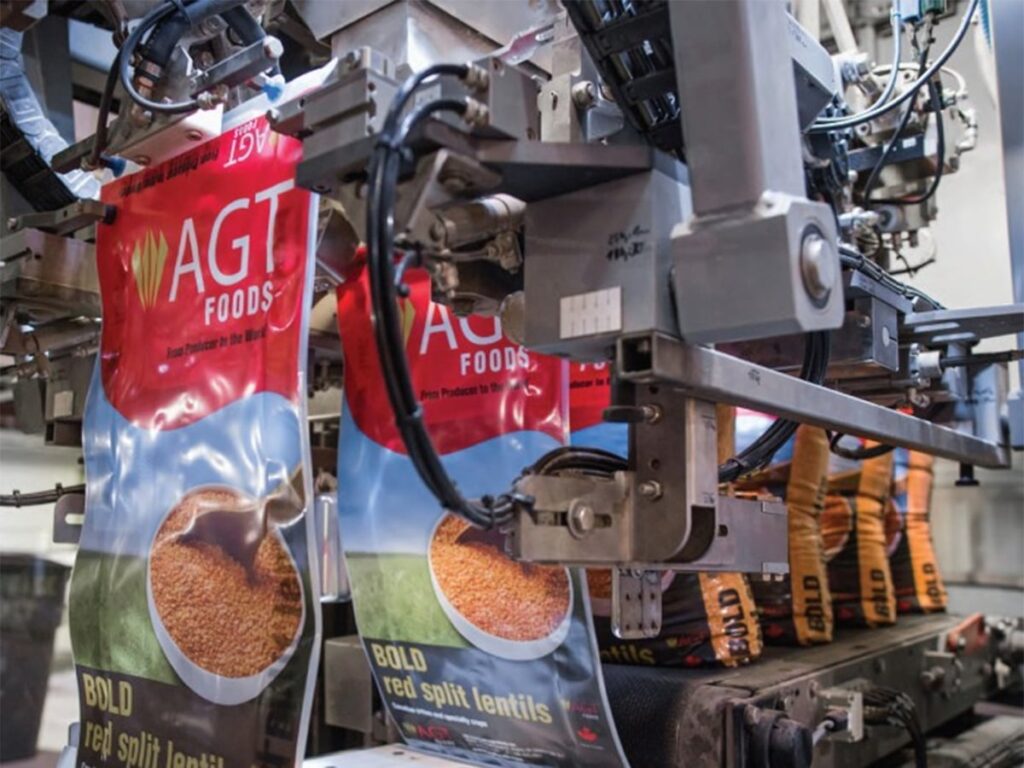
REGINA — AGT Food and Ingredients closed a successful initial public offering earlier this month, raising about $625 million to pay down debt.
The Regina-based company also announced it will build a pasta plant in India and expand its Canadian and American extrusion facilities.
The company opened on the Toronto Stock Exchange at $23 per share March 9 and immediately saw the price drop, but president and chief executive officer Murad Al-Katib said that can happen when a company starts trading during the first week of a war.
Read Also
Farmers of North America attempts another run at AgraCity assets
Farmers of North America is still attempting to buy AgraCity’s assets, although Jim Mann acknowledged it is “mission impossible.”
“So it just happens that we started trading on the Monday after the U.S. bombed Iran,” he said.
“I think it’s going to be resolved in the next number of weeks, and what we’re going to see is strong, strong demand for food products in the Middle East on a go-forward basis because they’re going to have to fill the stocks that have been depleted from the war.”
He said the region doesn’t grow much food but relies on imports. That should lead to robust demand for Canadian pulses in the second quarter.
Why it Matters: AGT Foods sells commodities and food products into 127 countries through 39 manufacturing facilities on five continents. Al-Katib started the business in his Regina basement in 2001 and the company remains based there.
Al-Katib said his motivation for taking the company public again, after taking it private in 2019, was to be able to continue scaling the business.
In the past six years, he said, revenues doubled from $1.6 to $3.2 billion and earnings before interest, taxes, depreciation and amortization went from $63 million to $190 million last year. Its value-added processing EBITDA was $40 million in 2019 and tripled by 2025.
In January 2025, AGT sold its shortline railway holdings and retired about $200 million worth of debt.
“At the close of the IPO, I retired another $940 million in debt,” he said.
“So AGT now sits with over $3 billion in revenue, $190 million and growing EBITDA, and 0.2 times debt to EBITDA is the approximate leverage in our company. We have a pristine balance sheet now. This was my dream.”
Fairfax Financial, AGT’s partner in the private business, didn’t sell a single share during the IPO, he said, and actually bought another $200 million worth. Al-Katib also didn’t sell any of his shares.
“I rolled about the equivalent of, call it $65 or $70 million, in shares,” he said, adding that when neither partner sells, that’s a good sign.
AGT is focusing on the “better-for-you” dietary fibre and protein markets in North America, such as gluten-free pasta and breakfast cereal and protein additions, he said.
Yellow pea protein is going into oatmeal in the United States, and AGT’s Veggipasta is in all the Whole Food stores there.
“We’re launching additional SKUs (stock keeping units) in the U.S. retail now that are going to be lentil and chickpea, lentil and pea, chickpea and pea,” said Al-Katib.
“We won the contract to produce pasta that’s being sold in Costco USA now: pea, lentil and cauliflower; pea, lentil and sweet potato, pea, lentil and spinach.”
He said major growth plus low leverage equal a successful global business.
Al-Katib also said GLP-1 drugs are going to be an “earthquake” in the food industry. If a food company doesn’t react, it will be destroyed by the trend in dietary fibre and protein. The patents on these medications are soon running out and costs will come down, he said.
More access to them will lead to less food volume consumed and the shift to fibre and protein, he said.
He noted that everyone claims they are going to eat less pasta, but statistics show consumption is rising while rice consumption drops. That’sgood news for durum producers.
Al-Katib said he and Fairfax CEO Prem Watsa believe Canada lacks champions in the packaged foods business, and the market should reward AGT in future.
AGT will release its fourth quarter results Monday.

Source: producer.com