
Autumn’s arrival means it’s time to turn the oven back on
By the time autumn rolls around I am ready to leave the leafy salads behind and serve the hearty roasted meals.
I love our seasons for the change in our meals. We no longer hesitate to warm the house by turning on the oven. There is just something about this time of year.
The best part is many of these meals freeze well after cooking. Make the best use of time by cooking extra and freeze some meals for the busy nights ahead.
Read Also
Know what costs are involved in keeping crops in the bin
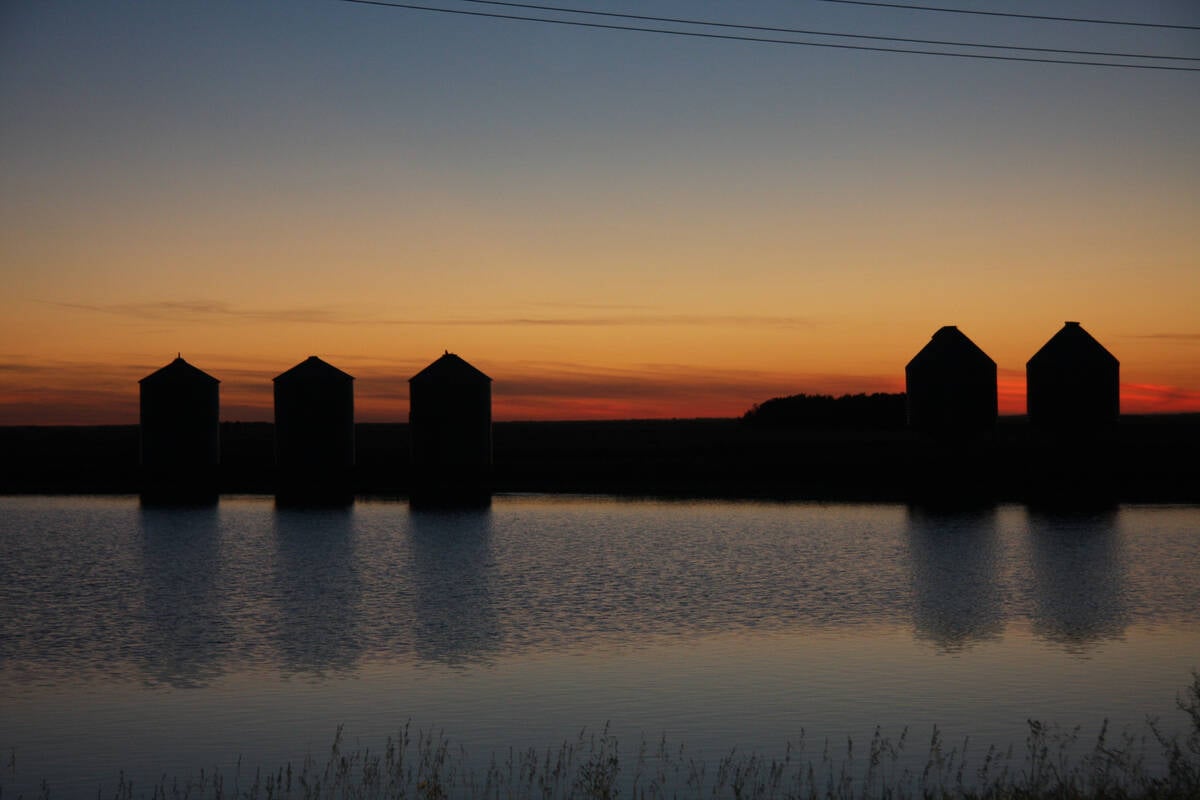
When you’re looking at full bins and rising calf prices, the human reflex is to hold on and hope for more. That’s not a plan. It’s a bet. Storage has a price tag.
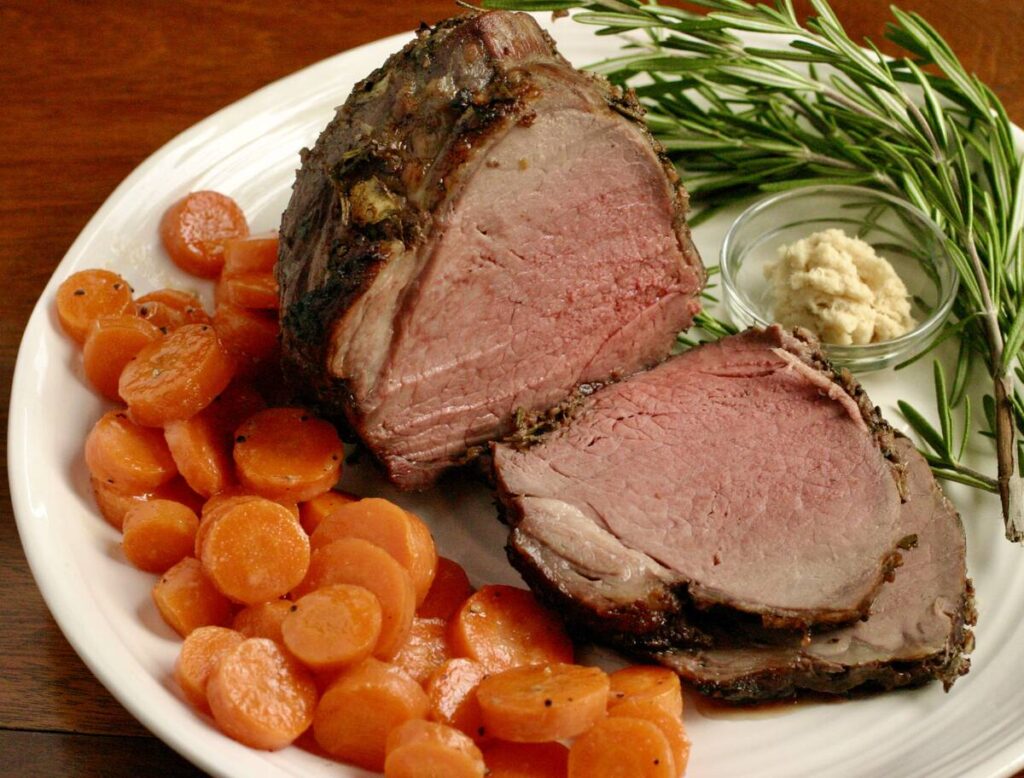
Herbed and spiced roasted beef top sirloin
- 1 tbsp. fresh rosemary 15 mL
- 1 tbsp. fresh oregano 15 mL
- 1 bay leaf, crushed
- 1-2 cloves garlic
- 1 small shallot, peeled and quartered
- 1 tsp. grated orange zest 5 mL
- 2 tsp. coarse salt 10 mL
- 1/2 tsp. freshly ground black pepper 2 mL
- 1/4 tsp. ground nutmeg 1 mL
- 1/8 tsp. ground cloves .5 mL
- 1 tbsp. olive oil 15 mL
- 2 lb. beef top sirloin or tenderloin roast 1 kg
In a small food processor, combine rosemary, thyme, bay leaves, garlic, shallot, orange zest, salt, pepper, nutmeg and cloves. Run machine while adding oil. Process until smooth. Rub mixture evenly over all sides of roast. Place beef in a glass bowl. Cover with foil, and refrigerate for at least six hours.
When ready to roast, bring the meat to room temperature. Place on a rack in a shallow roasting pan. Insert oven-safe meat thermometer into the centre of the roast, avoiding fat or bone. If using an instant read thermometer, remove the roast from the oven to insert it and read from time to time. Do not leave it in the roast while cooking.
Oven-sear by placing uncovered roast in preheated 450 F (230 C) oven for 15 minutes.
Reduce heat to 275 F (140 C). Cook uncovered to desired doneness, removing from oven when 5 F (3 C) below finished temperature. Bone-in roast can take 30 to 45 minutes less.
Ideal temperatures should be medium-rare 145 F (63 C), beef burgers/medium 160 F (71 C) and well done 170 F (77 C). Medium rare will take approximately 1 3/4 to two hours.
Remove from oven and cover with foil and let stand for at least 15 minutes before carving. Serves four to six.
Beef dip au jus
Thinly slice leftover roast beef and serve warmed on a soft white bun with au jus. The au jus can be made without pan drippings if you didn’t save any.
Au jus
- 2 tbsp. butter 30 mL
- 2 c. beef stock 500 mL
- 1/4 c. red wine 60 mL
- 1 tbsp. Worcestershire sauce 30 loll
- 1/4 tsp. black pepper 1 mL
Melt butter in a small saucepan over medium-high heat. Whisk in beef stock, red wine and Worcestershire sauce. Bring to a simmer and cook for five to 10 minutes until slightly reduced. Season to taste with black pepper.
Maple glazed carrots
- 1 1/2 lb. carrots, cut into coins 750 g
- 1/4 c. butter 60 mL
- 1/3 c. maple syrup 75 mL
- salt and ground black pepper, to taste
- freshly chopped parsley for garnish, optional
Gather all ingredients. Place carrots into a pot and cover with salted water and bring to a boil. Reduce heat to medium-low and simmer until tender, eight to 10 minutes.
Drain and transfer carrots to a serving bowl.
Melt butter in the same pot over medium-low heat. Stir maple syrup into melted butter and cook until foamy, one to two minutes. Add carrots to the pot and toss to coat. Season with salt and ground black pepper. Return the carrots to the serving bowl and serve while steaming hot.
Leftovers freeze well.
Roasted butternut squash with cider vinaigrette
- 2 small butternut squash, seeded, and cut into 1/2-inch-thick slices 1.25 cm
- 1 medium red onion, cut into wedges
- 3 tbsp. olive oil, divided 45 mL
- kosher salt
- freshly ground black pepper
- 1 c. apple cider 250 mL
- 1 1/2 tbsp. whole-grain mustard 22 mL
- 1 tbsp. red wine vinegar 15 mL
- 2 tbsp. chopped fresh flat-leaf parsley 30 mL
Preheat oven to 425 F (220 C). Toss squash and onion with two tablespoons (30 mL) oil on a rimmed baking sheet. Season with salt and pepper. Roast until golden brown and tender, 20 to 25 minutes. At the halfway point, remove from the oven and turn the pieces over so both sides are nicely caramelized.
Meanwhile, bring cider to a boil in a small saucepan over high heat. Reduce heat to low and gently simmer until liquid has reduced to three tablespoons (45 mL), 12 to 15 minutes.
Whisk together mustard, vinegar, reduced cider and remaining one tablespoon (15 mL) oil in a bowl. Season with salt and pepper. Stir in parsley.
Drizzle squash and onion with vinaigrette just before serving.
Vegetarian chili with grains and beans
- 1 – 28 fl. oz. can fire-roasted crushed tomatoes 800 mL
- 1 – 14 fl. oz. can diced cherry tomatoes 400 mL
- 1 tbsp. chili powder 15 mL
- 1 tsp. ground cumin 5 mL
- 1 tsp. ground coriander 5 mL
- 3 cloves garlic, pressed
- 1 onion, chopped
- 1 large carrot, chopped
- 1 large poblano pepper, chopped
- 3/4 cup wheat berries 185 mL
- kosher salt and freshly ground black pepper
- 1 – 14 fl. oz. can black beans, rinsed 400 mL
- 1 – 14 fl. oz. can kidney beans, rinsed 400 mL
- sour cream, grated cheddar cheese, sliced green onions, fresh cilantro and lime wedges, for serving
Combine crushed tomatoes, diced tomatoes, chili powder, cumin, coriander, garlic, onion, carrot, poblano, wheat berries and 3/4 cup (310 mL) water in a five to six quart (5-6 L) slow cooker. Season with salt and pepper. Cook, covered, until wheat berries are cooked but still chewy, seven to eight hours on low or five to six hours on high.
Drain and rinse both cans of beans. Stir in and cook until warmed through, eight to 10 minutes. Serve with sour cream, grated cheddar, green onions, cilantro and lime wedges on the side. Serves eight. Leftover chili freezes well.
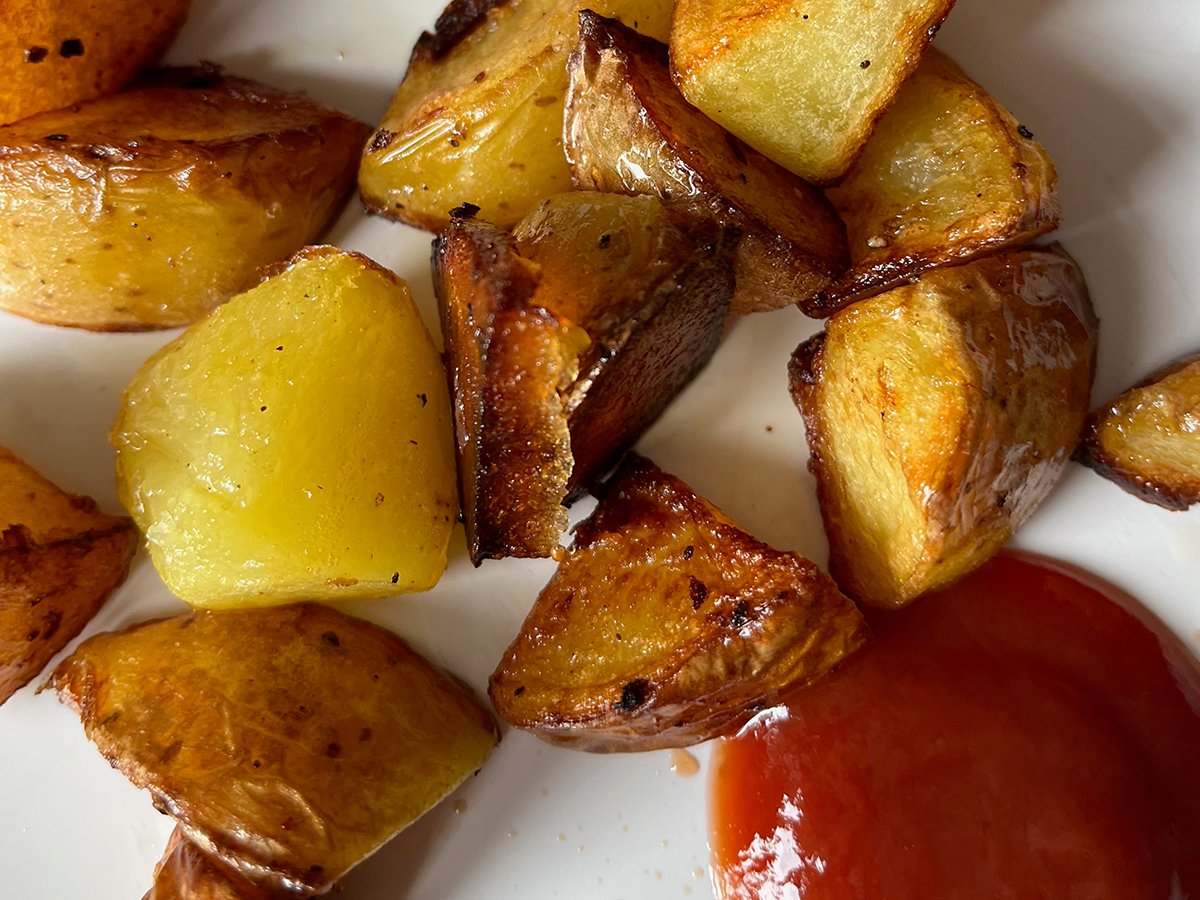
Duck fat potatoes
- 2 lb. russet potatoes 1 kg
- 1 tbsp. salt 15 mL
- 1/2 c. duck fat 125 mL
- 1/4 tsp. pepper 1 mL
Peel and cube the potatoes. The pieces should be about two inch (1 cm) cubes. Place the potatoes into a large pot. Sprinkle with salt. Add cold water to cover the potatoes. Place on the stove and turn on to high heat. Cover pot. Bring the water to a rapid boil and cook the potatoes for 10 minutes or until fork tender.
Drain potatoes well and return the potatoes to the hot pot without the lid. Allow the potatoes to steam off the excess moisture for a few minutes.
Put the duck fat into a large deep cast iron pan and place it into the oven for about five minutes, or until it is just starting to smoke. Add the potatoes to the skillet. Put the skillet back into the oven and allow the potatoes to cook undisturbed for 30 minutes. Then turn the potatoes over and allow them to again cook undisturbed for another 15 minutes. Turn them again, and allow them to cook until golden and crunchy.
When you remove the potatoes from the oven, sprinkle them with pepper. Serve hot and fresh out of the oven. Serves six.

Source: producer.com