
Avian flu key topic at two recent veterinary conferences
Important meetings took place in Calgary earlier this month — and not just the G7.
The first was the Canadian Association of Veterinary Epidemiology and Preventive Medicine conference.
This annual gathering brings together a diverse and passionate collection of veterinarians and other animal health professionals who work at the population level of veterinary medicine. Using data to gain knowledge, these vets engage with their practice at herd, flock and other animal groups.
Read Also
Tighter antibiotic rules changed little for beef sector: research
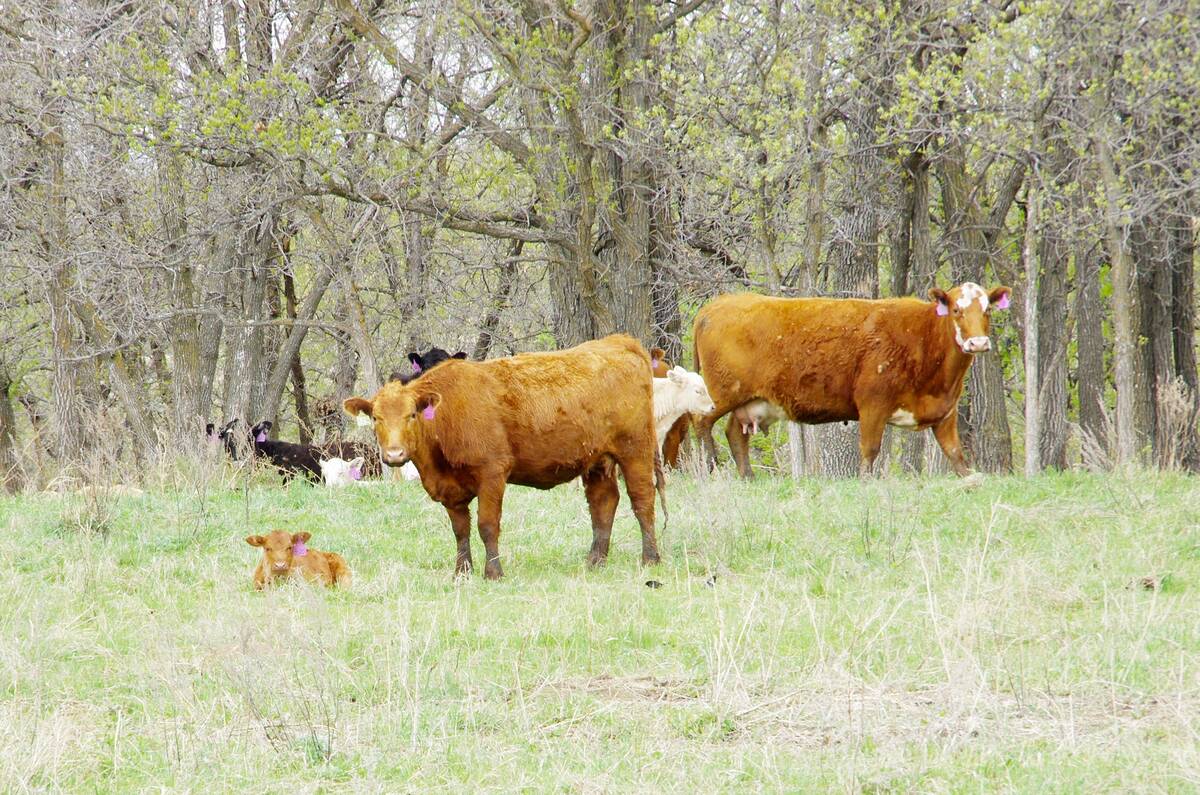
Canadian beef farmers have needed their veterinarian to write a prescription for antibiotics since late 2018, part of efforts to fight off antimicrobial resistance. Producers haven’t had to change what they were doing much.
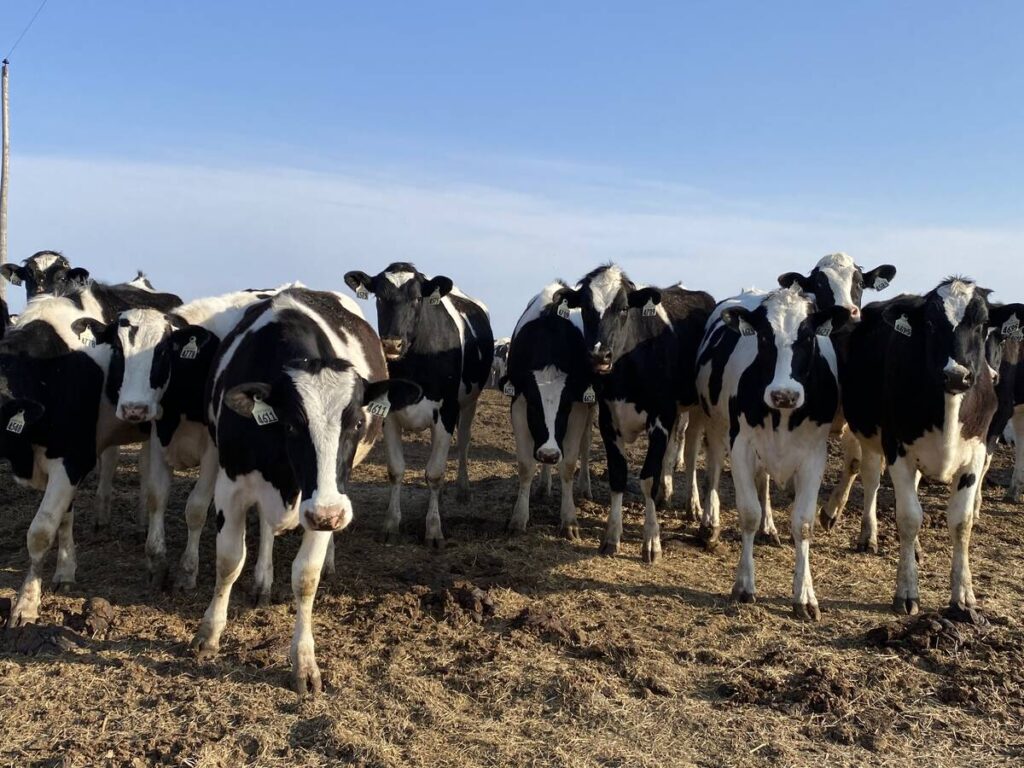
Several speakers discussed the outbreak of highly pathogenic avian influenza in dairy cattle. While the spread in the U.S. dairy herd has been unprecedented and rapid, to date, there have been no cases in Canada.
Genetic analysis of the virus shows that only a few of the virus introductions have come directly from wild bird sources; the rest were the result of virus spread between cattle and dairy farms through movement of cattle.
While luck is certainly playing a role in Canada’s ability to keep the virus from reaching cattle, there was also swift activation of an early warning system in Canada.
It sprung into action with many stakeholders participating, including cross-Canada buy-in from producers. This resulted in more than 4,000 samples tested, which were all negative.
The threat of avian influenza is serious enough, but seeing how well and quickly this type of response occurred is reassuring for other foreign disease threats such as foot-and-mouth disease.
Another angle by which to tackle this potential issue is the use of mathematical models to understand how the disease would spread among Canadian dairy cattle if an infected animal was brought in from the United States.
On another note, several presentations highlighted efforts to improve veterinary wellness, reduce burnout and improve resiliency among members of the profession. These initiatives are important to keep vets healthy and in practice, particularly in the face of veterinary shortages across the country.
In a similar vein, one group discussed collaborative decision making between vets and clients to improve outcomes.
The second meeting was the International Symposium of the World Association of Veterinary Laboratory Diagnosticians.
There were also gatherings within this larger meeting, including the Canadian Association of Veterinary Pathologists.
The outbreak of avian influenza was a hot topic among this group as well, augmented by an international group of veterinary professionals.
Response to this deadly virus disease emphasized early disease detection, accurate and reliable sample testing, capacity building in low-income areas and communication.
There are ongoing efforts across the country to take “big data” generated by veterinary diagnostic laboratories and translate it into user-friendly and accessible knowledge.
The Canadian Animal Health Surveillance System is one such example. It is currently aggregating data from veterinary diagnostic laboratories in western provinces, with plans to expand across Canada.
It is important to note that the information data only includes the diseases and diagnostic tests; all specific identifying information such as location and people’s names are removed.
This type of work will allow producers and their veterinarians to access a user-friendly website that can track diseases between years and seasons at different geographical scales, both provincial and national.
There is the potential for benchmarking, where a producer can see how they are doing with a particular disease compared to the average of other operations in the region.
A similar American initiative by the Swine Disease Reporting System to support the hog industry generates a monthly report.
Pig vets noted that while they appreciated the report, they often didn’t have time to read it. As a result, this group started recording a podcast so producers and vets could listen to the information while driving between farms.
This is a neat example of how data can now be transformed into accessible and useful animal health knowledge.
The privilege to attend and present at these two important Canadian veterinary meetings left me with the impression that there are many dedicated, hard-working and intelligent professionals working across Canada to improve and safeguard animal health.
These researchers are truly concerned about getting their science right, including bottom-up, producer-driven research projects.

Source: producer.com