
Big dollars for late adopters of on-farm BMPs

WINNIPEG — Some Canadian farmers are pocketing nearly $200,000 a year in environmental incentives from government, non-profits and private companies.
Those farmers are tapping into the dozens of programs in Western Canada that pay producers for adopting beneficial management practices, says a farmer and consultant from southern Saskatchewan.
“(There are) tons of programming out there and real money,” said Shawn Catherwood, who farms about 120 kilometres south of Regina.
WHY IT MATTERS: Tens of millions of dollars, possibly hundreds of millions, are available to Canadian farmers who are willing to try a new practice.
Read Also
U.S. trade rep credits Trump for ‘paradigm shift’
USTR chief agriculture negotiator says Trump has transformed trade negotiations with a goal of turning a trade deficit into a surplus.
Catherwood is the owner of Spur Line Crop Solutions, a consultancy that helps producers navigate the confusing world of rebate and incentive programs for sustainable farming practices and outcomes in Canada.
Before forming Spur Line he worked for PepsiCo as part of a team encouraging farmers to try regenerative agriculture practices.
At CropConnect, a grain industry conference held every February in Winnipeg, Catherwood shared examples of producers who are cashing large cheques from incentive programs.
For instance, a 5,000-acre farm in Saskatchewan with grain and livestock was paid:
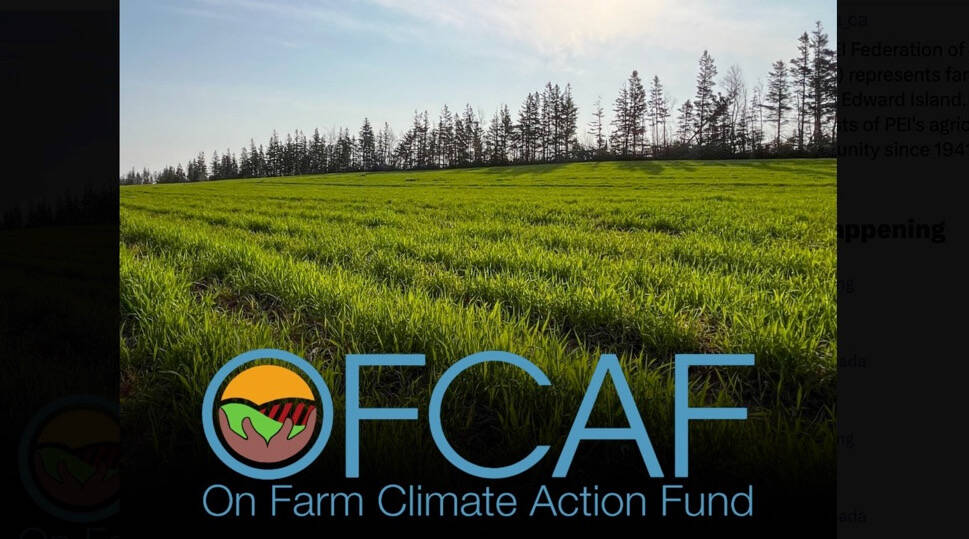
- $68,700 from the On Farm Climate Action Fund (OFCAF) and other public programs.
- $32,000 from private companies for 4R (nutrient management) and adoption of cover crops.
- $79,200 for seeding cover crops on 320 acres and for converting 320 acres of cropland to hay and fencing.
- $14,200 from other incentives.
“This is a real scenario. In one single year, $194,500 from incentive programs,” Catherwood said.
That’s the good news. There’s plenty of money available for producers who are willing to try a new practice and meet the requirements of the programs, Catherwood said.
The bad news? These programs can be frustrating, complicated and don’t always reward the right farmers.
The bad
It’s hard to navigate the incentive system in Canada, mostly because of sheer volume. There are more than 60 programs that pay farmers for improving soil health, reducing emissions and other goals.
South of the border, the incentive programs are simpler, Catherwood said.
Government, private corporations and farm groups will join forces to offer one large program.
“The States seems to do a way better job … where they get people together,” he said.
“We definitely need to do that.”
There are large programs in Canada, such as OFCAF.
It helps cover the cost of seeding cover crops, improving nutrient management and trying rotational grazing.
OFCAF, and most initiatives, pay farmers for doing something new.
“All activities must have commenced on or after Feb. 7, 2022, and be completed on or before June 30, 2024,” says a Manitoba Association of Watersheds fact sheet from 2022.
That policy punishes farmers who have followed the “right” practices for years.
“It’s kind of sad because they are doing everything right for these programs … but their funding is pretty minimal,” Catherwood said.
At the meeting in Winnipeg, he shared an example of a 1,500-acre mixed farm and a long-time adopter of rotational grazing and polycrops.
That farmer was denied OFCAF funding because:
- He had been using 4R for at least five years.
- Cover cropping is a standard practice on his farm.
- He did receive $16,000 for cross fencing and off-site watering for rotational grazing.
“The system’s message — we pay for hardware and new adoption. We do not pay for stewardship,” said a slide in Catherwood’s presentation.
There may be buckets of money on the table, but many producers are ignoring the opportunities. That’s partly explained by the paperwork burden in these programs, Catherwood said.
There’s also the matter of motivation.
If a producer is already interested in areas such as cover crops, or 4R nutrient management, then it makes sense to try something new and get paid.
However, doing it simply for the financial incentive isn’t a great idea, Catherwood said.
“(Farmers should) see the programming dollars as a ‘cherry on top.’ ”

Source: producer.com