
Biochar system to process crop waste
REGINA — A farm just outside Regina will soon be the site of a pyrolysis system producing biochar from agricultural waste.
Carbon Smart Farms, owned by Tim Dufour, has partnered with Cowessess Ventures Ltd. and Assured Renewables Canada on a project that he hopes will lead to 10 systems across the province.
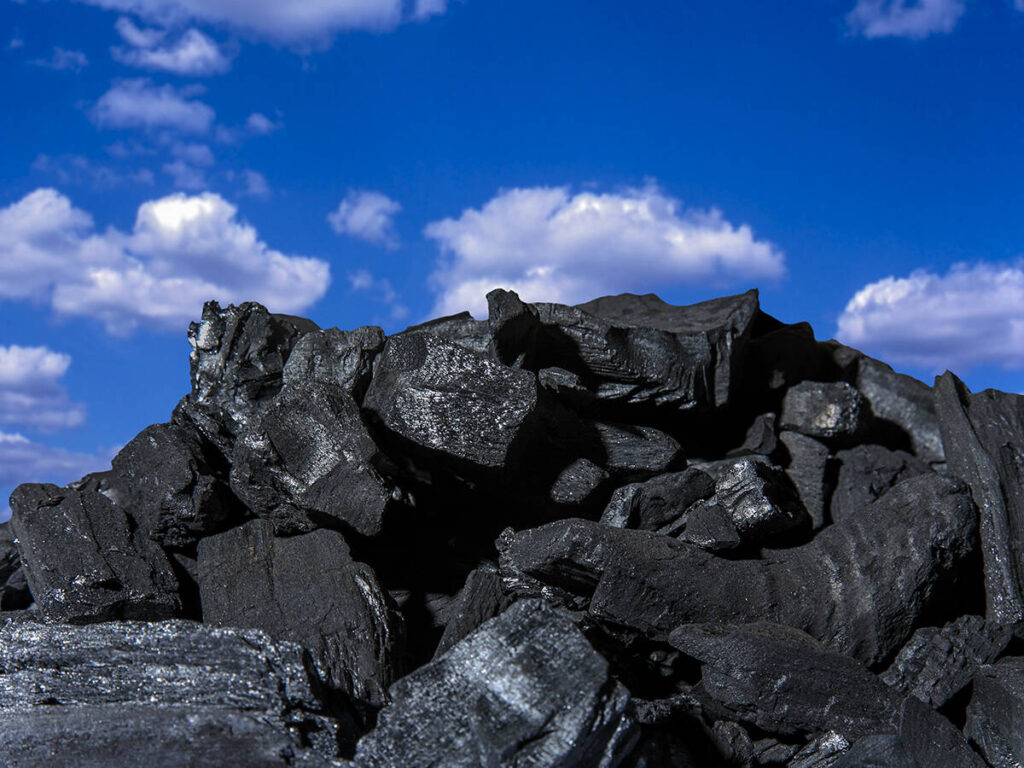
The technology bakes crop and animal waste, as well as municipal waste, and processes it into biochar, which enhances soil and sequesters carbon. The resulting product will be marketed under the brand name Awasis, which means little child.
Read Also
Wheatland repeats as supreme female winner at Agribition
Supreme female and bull titles awarded at Canadian Western Agribition 2025.
Construction is underway on Dufour’s farm north of the city, and the system should be commissioned in the first quarter of 2026.
Why it Matters: Farmers and small municipalities struggle with handling waste and are looking for solutions.
Dufour is a Kelowna-based entrepreneur who has started and sold more than a dozen companies. His wife’s family owned the Regina farm, and he said he wanted to start a business that could make a difference for farmers.
More than two years ago, he began working with Alistair Haughton at Assured Renewables as he looked for a combined heat and power system for the farm.
“His background is on the pyrolysis side and my background is on technology in general but specifically on data centres and mission critical infrastructure,” Dufour said.
“As it relates to Carbon Smart Farms and Alistair’s equipment, I just want to make sure it’s very robust and reliable and somewhat automated and advanced in technology.”
He said he now understands how pyrolysis works and how it can be affordable and available for other farmers.
A 50 by 100 foot fabric building has been constructed at the Regina farm site to house the system, which should be installed by the end of the month.
It will serve as a demonstration site to process agri-waste such as flax straw. Dufour said other farmers could bring their straw there or the farm will pick it up.
Pyrolysis involves baking, not burning. It is defined as the thermal decomposition of organic materials in the absence of oxygen. The materials are broken down into a gas, a liquid and a solid char. The syngas can be used as fuel, in this case for the continued operation of the system, and the liquid can be used as a low-grade fuel to produce higher-value products.
Haughton said his company began developing systems in the 1980s for the U.S. military to use at installations such as the one at Kwajalein in the Marshall Islands.
“It’s located on a very high security military base, and getting the waste off of that island is virtually impossible, but you have to do deal with it in such a fashion that doesn’t cause an environmental impact,” he said.
“Our whole focus is to place these systems as right on top of where the waste is generated as possible and then have the community members access the equipment.”
Haughton said biochar has been used for centuries to create black loamy soil. Sources include poultry litter, cattle manure, crop waste and municipal solid wastes.

Other companies are pelleting flax straw waste for bedding, but he said that doesn’t address the issue of greenhouse gases.
Biochar is porous and offers millions of little spaces for micro-organisms to grow and rejuvenate soil, he said. Its use requires less water. In some cases, 40 percent less water is needed on land where it has been applied, Haughton said.
As well, it will hold on to heavy metals.
Haughton said the cost of the systems varies dependingonwhich type of feedsource is used.
Dufour said he hopes to be able to show other farmers how his demonstration model would work for them on things such as hemp waste. Farmers could share profits from producing biochar.
The three partners are working on a deal with the City of Regina to manage some of its yard waste. An announcement was expected Nov. 5.
Dufour said originally he and Cowessess discussed renewable natural gas, but talks eventualy focused on biochar. The Regina project will be done on reserve land just outside of the city.
“What we can do to divert 60 per cent of the waste using all the organic (waste) flowing to our site, all we need is a couple acres,” he said.
“Then we’ve got the benefit of having biochar that we want to produce at scale.”
“We’re really all about that circular economy.”

Source: producer.com