
Canada-China trade deal: What it means for farmers
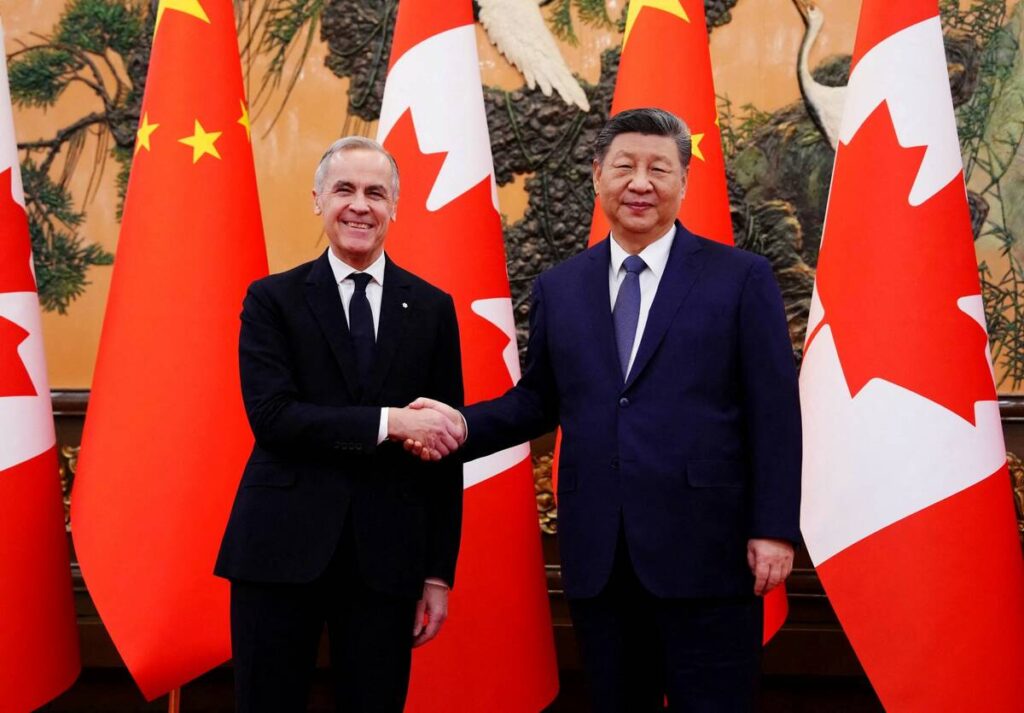
Canada’s trade relationship with China took a major turn in January with the announcement of a preliminary agreement addressing bilateral economic and trade issues. For farmers across Western Canada, the deal scales back retaliatory tariffs that have disrupted key export markets since 2024.Key tariff changes
The agreement addresses tariffs on several key agricultural commodities, though not all sectors received equal relief.
Canola Seed: China is expected to lower tariffs on Canadian canola seed to a combined rate of approximately 15 per cent by March 1, 2026, down from approximately 84 per cent. This change will significantly improve market access for approximately $4 billion of Canadian canola seed exports annually.
Read Also

Manitoba’s Turtle Mountain offers surprising natural attractions in the middle of the prairies
Surprising natural attractions in the middle of the prairies are off the beaten path for most tourists.
Canola Meal: China has agreed to remove “anti-discrimination” tariffs on Canadian canola meal from March 1, 2026, until at least the end of the year. Prior to this agreement, canola meal was subject to tariffs of 100 per cent, which effectively strangled exports to China. The removal of the tariffs provides meaningful (albeit temporary) relief for the marketing year ahead.
Peas: Canadian peas will also no longer be subject to China’s anti-discrimination tariffs from March 1, 2026, through at least the end of the year. Before the trade dispute, Canadian peas worth approximately $700 million per year were being exported to China. Like canola meal, peas were subject to tariffs of 100 per cent, resulting in a sharp decline in export volumes.
The agreement does not reduce tariffs on pork or canola oil, both of which remain subject to significant trade barriers. What this means for farmers
For farmers heading into the 2026 seeding season, the agreement provides welcome clarity.
However, several questions remain. The tariff reductions on canola meal and peas are only guaranteed through the end of 2026, leaving uncertainty about longer-term market access. Tariffs on canola oil and pork remain unchanged, and the full scope of the deal’s implementation will depend on ongoing negotiations.
The deal also includes a three-year review period to assess whether the expected Canadian benefits have materialized.
Canada and China have agreed to continue working on additional trade irritants in the coming months.Resources for farmers
Farmers and agri-food stakeholders can stay informed about trade developments through the following resources:
Note: This article is of a general nature only and is not exhaustive of all possible legal rights or remedies. In addition, laws may change over time and should be interpreted only in the context of particular circumstances such that these materials are not intended to be relied upon or taken as legal advice or opinion. Readers should consult a legal professional for specific advice in any particular situation.
If you have a topic or question you would like us to address in future issues, please email gholding@mltaikins.com.

Source: producer.com