
Cattle moved onto unapproved feedlot in Sask.
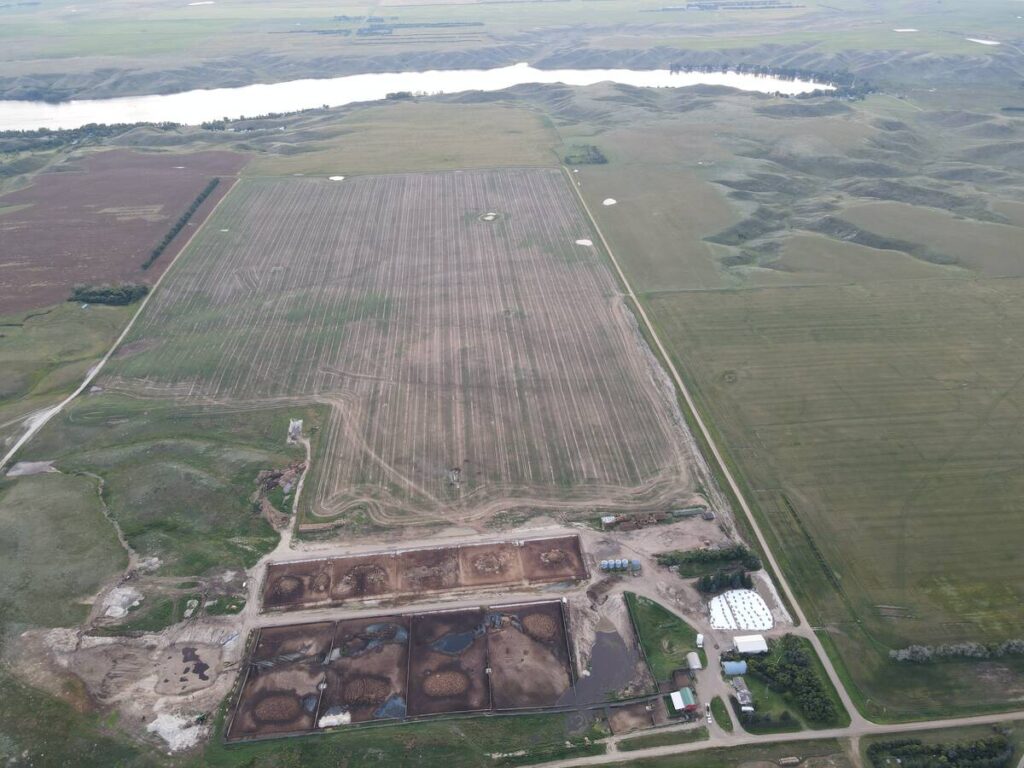
REGINA — The Rural Municipality of Lac Pelletier is considering what to do next after it says Monette Farms disregarded its ruling that prevented a winter feeding site near the lake.
Earlier this summer, the RM turned down an application for a year-round feedlot on the site and on Oct. 14 ruled a winter-only intensive livestock operation wasn’t allowed either.
“The result of both rulings means that the feedlot in question is no longer permissible on the property. All parties affected by this ruling were notified on Oct. 20, 2025. On Oct. 29, 2025, it is confirmed the proponent has ignored the ruling of the RM of Lac Pelletier and placed cattle into the feedlot,” said a press release issued by the RM Nov. 14.
Read Also

Five things I learned at Agritechnica 2025
Five things I learned at Agritechnica 2025: Chinese equipment, autonomy shakeout, growing electrification, agriculture’s influence and interest in Canada were some trends at the recent show.
WHY IT MATTERS: After a public meeting last summer, the RM council determined a feedlot at this particular location could not be allowed under its bylaws. The site can hold a maximum of 299 head under the bylaw.
Jeremy Neufeld, councillor for Division 5, called the situation an “unfortunate turn of events.” In an interview, he said he didn’t know exactly how many cattle had been moved to the location.
“It’s definitely exceeded the 299 he’s allowed,” Neufeld said.
At the July public meeting, Monette Farms chief executive officer Darrel Monette said the feedlot had operated at that location for years, but others said it was only a staging area.
Monette purchased the site in 2019 and upgraded the infrastructure to accommodate 2,000 head before the RM was informed what was happening. The previous owner never had a permit.
The RM had approved a discretionary use permit in 2022 for a wintering site for 1,000 head and in 2024 the province approved Monette’s application for an intensive livestock operation.
Council’s job is to determine if development fits within RM bylaws, and Neufeld said the location is simply too close to the neighbouring residence as it is within 300 feet.
“RM 107 is not against ILOs or feedlots or having agricultural development as long as they’re following proper procedures,” he said.
“It’s the location.”
The feedlot is next to an aquifer-fed lake and a regional park.
“We are determining our next steps on this matter and will be following the guidance of our legal counsel and our fellow Saskatchewan Association of Rural Municipalities members,” Neufeld said.
The RM said bylaws exist to keep residents safe and to prevent potential conflicts that could end up in court. It said it’s unfortunate when the last resort is to enforce bylaws through the courts.
Neufeld added the process does seem backward, in that the proponents obtained a permit from the provincial agriculture ministry before going to the RM.
“It could have avoided a lot of money and resources,” he said.

Source: producer.com