

Could Kelowna could be the first Canadian UNESCO City of Gastronomy?
Next month, on a trip to the Philippines, I’ll be stopping in the city of Iloilo. Why?
One reason — it’s one of 56 UNESCO-designated
in the world. Closer to home, Kelowna might soon be on that list. It has been invited to apply for a spot on this attention-getting list and judging will include its food heritage and its impact on tourism, economy, innovations, and sustainable practices.
On a recent visit, I sized it up myself.
I know when my GPS tracks to Kelowna, it’s to eat and drink, or, more correctly, to drink and eat and maybe unwind on one of its 30 beaches. The city’s bounty includes 40 wineries, agri-tourism experiences, 400 restaurants, a farmers market that grows to 200 vendors during peak season, distilleries and breweries, 807 farms, and 51,614 acres of agricultural land, some of which dates to the 1800s.
In summer, I return with boxes of some of its 30 varieties of cherries, peaches, or glorious tomatoes depending on the month.
Neil Fassima, president of
which partnered with Westbank First Nation, the city of Kelowna, and Kelowna Tourism for the UNESCO bid, describes the city’s allure as start-to-finish gastronomy, from agriculture, food production, manufacturing, restaurants, and tourism.
“When I stand on any one of our campuses and look 360 degrees, I see the proverbial elements of field to fork, grape to glass, grain to glass, produce and protein. What’s unique, is everything’s in one spot, in amazing harmony.”
The college, as well as UBC Okanagan and private industry, he says, are shaping the city into “the Canadian epicentre for food, beverage, a global learning and research centre, and a net exporter of talent.” Okanagan College, which already flexes muscle on food and beverage programs, is currently building a $60 million centre for food, beverage and tourism. And Kelowna’s airport is also expanding. “It’s truly becoming a hub,” he says.
Neil Taylor, the chef at Home Block at
, loves his culinary habitat, saying it beats Vancouver and London, where he cooked at the famous River Cafe. “Hands down,” he says. “It’s the closeness to suppliers. In Vancouver, the ingredients I’d be most excited about often came from the Okanagan.
“I’m in the epicentre and get things at their peak. I’ll order, and they pick and deliver the next day. The freshness and quality just can’t be beat. The variety here keeps growing with the quality on a par with Michelin restaurants in London.”
Cedar Creek Estate Winery is one of many wineries in the area with a restaurant showcasing food and wine synergy.
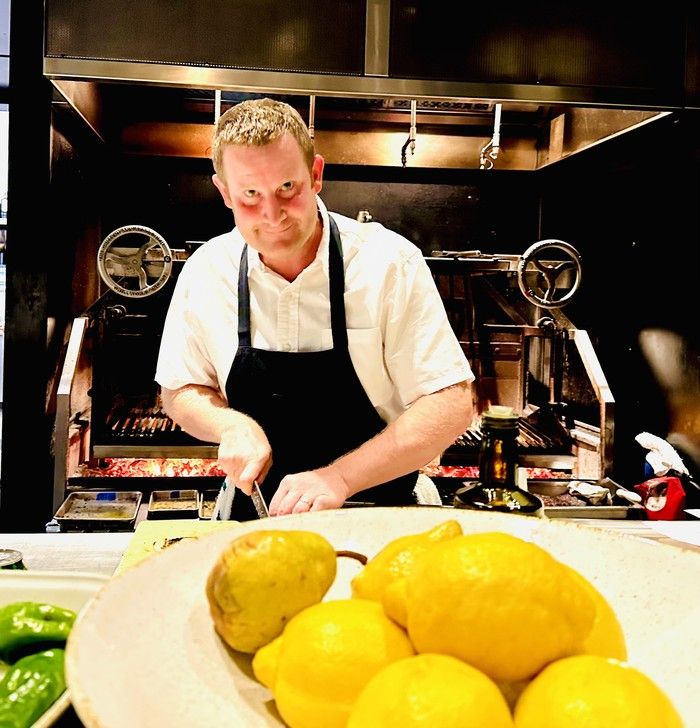
I recently yummed my way through his tasting menu — bright, fresh, and alive with the warm beating heart of local ingredients. It started right out of the gate with a salad of gem lettuce, smoked estate pears, local Gorgonzola and hazelnuts, as well as a bruschetta with beautiful Okanagan peaches, grilled, housemate lonza (cured pork loin), borlotti beans and taleggio.
Chef Taylor has two gardens outside his kitchen and the winery’s sustainable operation involves bees, chickens, and worms as well as five Scottish Highland “gentle giant” cows that break up and fertilize the vineyard soil. Instead of pesticides, kestrel falcons, with nests on the property, deal with fruit-eating birds and insects.
Cedar Creek is one of the Iconic Wineries of B.C. group and three of its venerable wineries are in Kelowna.
The award-winning and architecturally stunning Mission Hill Estate Winery, like Kelowna’s Acropolis, is perched over Okanagan Lake with a dramatic amphitheatre and summer terrace restaurant, also serving gorgeous ingredients from their own garden and the region.
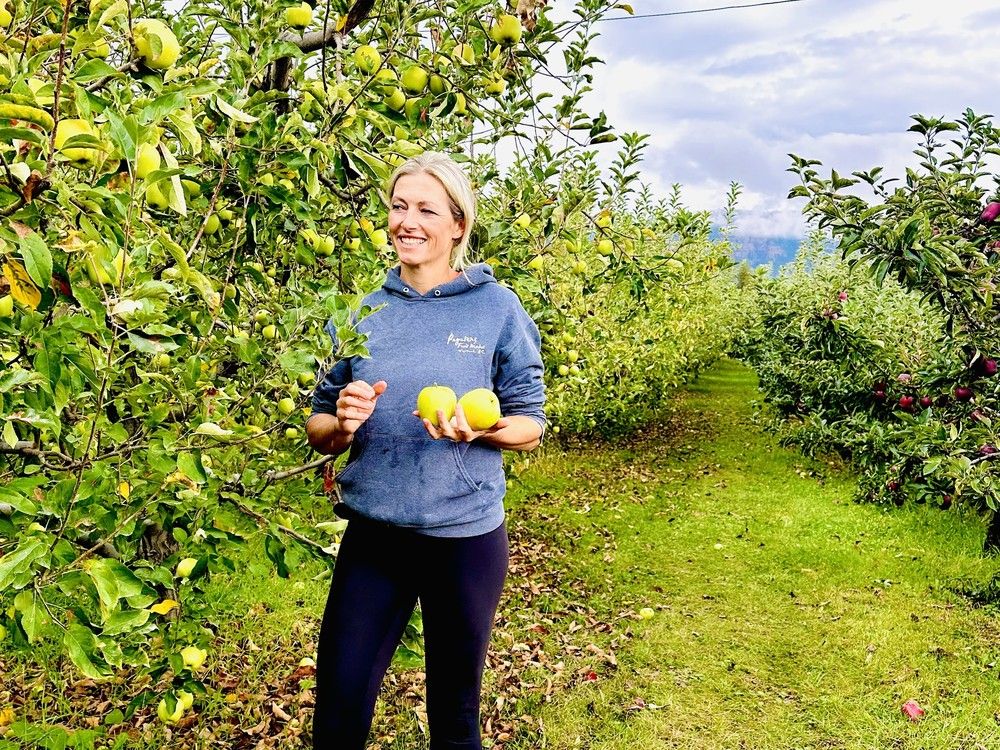
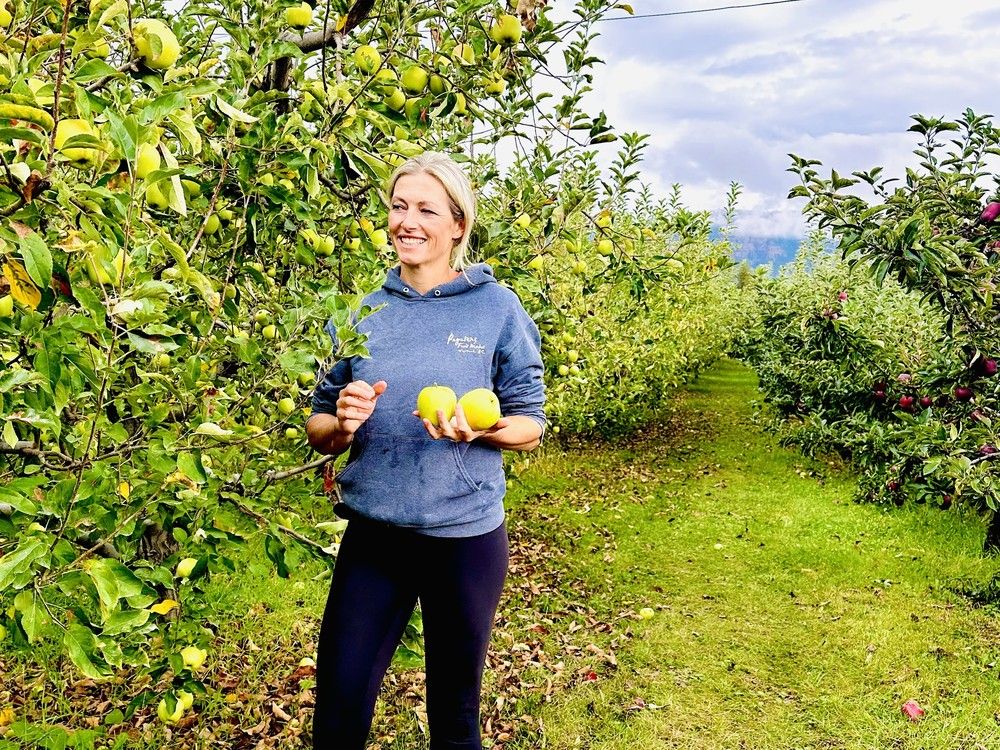
And hey, UNESCO — you say you’re looking for gastronomic heritage in a city? Let me introduce you to Jennay Oliver, a Blake Lively look-alike who strides purposefully in gumboots, Lululemons, and a hoodie.
She runs Paynter’s Fruit Market and Farm on the property her great grandfather started cultivating in 1919. Today, you can tour the farm or U-pick from the multitude of fruits, berries, vegetables, and flowers. When I visited, orchards were pregnant with apples, pears, and plums — some fruit lay on the ground, missing one bite.
“It’s the kindergartners” who visit on school tours, laughs Oliver. Her extended family have farming roots in the area and operate a honey farm, fruit stalls, vineyards and a winery.
, an Indigenous-run café (its catchphrase is ‘Don’t panic, we have bannock!’) has centuries of local heritage. Kelowna is on the ancestral, unceded land of the Syilx people and the city’s name derives from their word for grizzly bear. Kekuli means pit house in Chinook language and the kitchen has inventive ways with bannock, salmon, venison, and Saskatoon berries. The café is a hub for celebrating Indigenous culture.
On my trip, I discovered some new places like Wildling, a wine bar where the food’s as serious as the natural wines from small quality producers. The chef staged at Noma and worked at Michelin-starred restaurants in Europe, apparent in detailed dishes such as an amuse bouche of air bread with lacto-fermented grape and crème fraîche and a cauliflower dish where no cauliflower is left behind — florets were roasted, stems were pickled, and leaves became kosho, a bright and zesty fermented Japanese condiment.
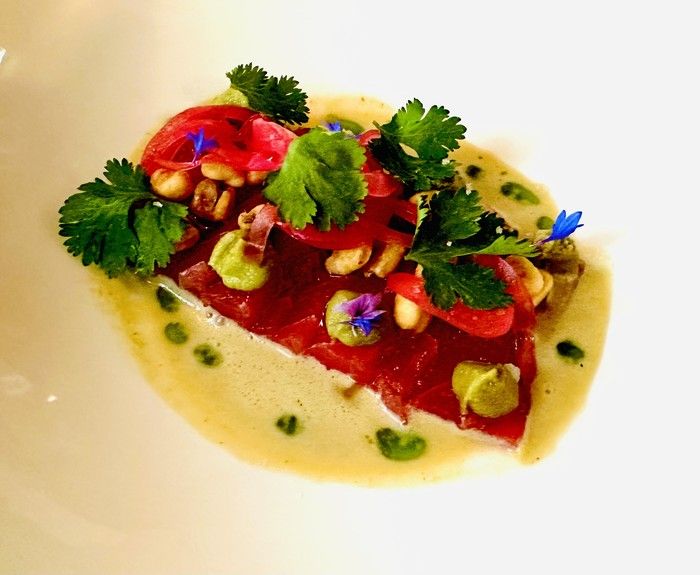
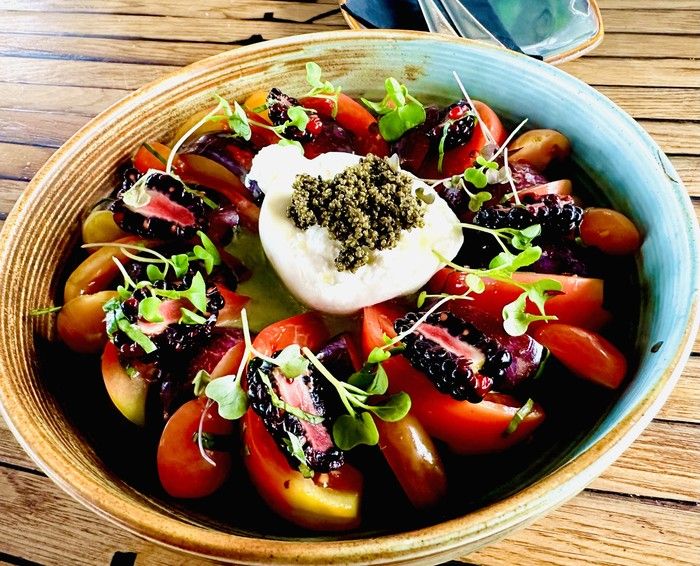
has won international and national awards for its wine and cool architecture, and the food’s not far behind. Salads in the Okanagan can be transcendent, showcasing the virginal freshness of the local produce. At this winery’s Block One restaurant, I had a memorable, bright-hued salad with luscious and sweet tomatoes, plums, blackberries, burrata, basil, tonburi (the caviar-like seeds of the summer cypress tree), harmonized by a camomile and peach vinegar dressing. The kitchen steps it up with dishes like water buffalo tartare with black garlic and yuzu kosho marinade, beef garum, cured duck yolk, shimeji, sunomono apple, nashi pear kimchee, and won ton crisps. The wood-fired forno adds sizzle to cooked dishes.
is one of the largest estate wineries in the province and its vineyards reflect the diversity of wines in B.C. The winery restaurant, The Modest Butcher, does the same with locally produced meats, like the juicy chargrilled rib-eye I tried. For insatiable appetites, or, more wisely, to share, there’s a tomahawk steak or the ‘Board o’ Meat’ with choices of two steaks or chops with sides.
, a casual spot with Asian influences, is another newbie in Kelowna. Owners took an ‘if it ain’t broke, don’t fix it’ approach, replaying their success in Penticton with just a few menu differences. Top sellers are char siu pork belly lettuce wraps, bao buns, and the ginger beef double burger.
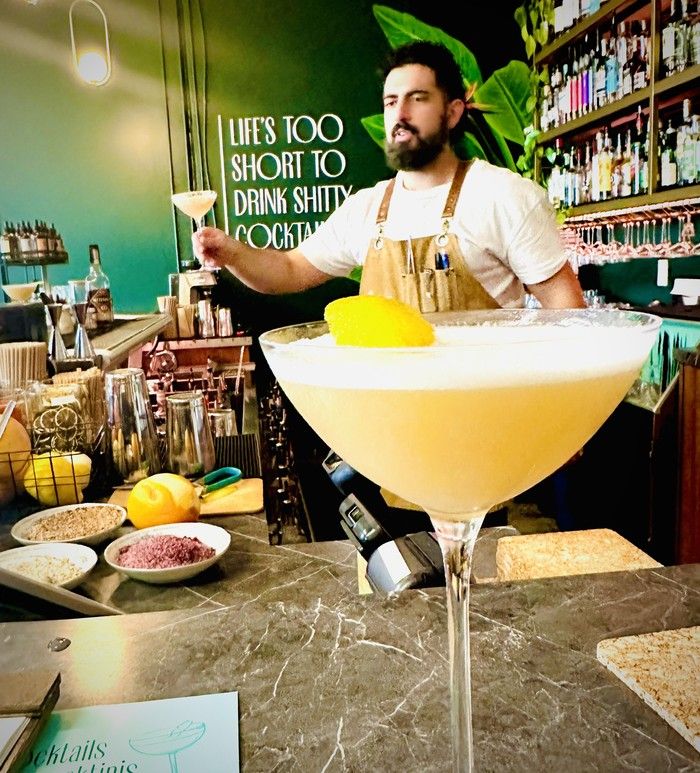
A couple of noteworthies in the cocktail scene are Luckhurst Farm and Distillery and Born To Shake. The Luckhurst family previously owned Road 13 winery in the South Okanagan (now part of the Iconic Wines of B.C. group) and the funky, farmy, distillery is run by a second-generation Luckhurst. The property includes farm animals, including fainting goats (startle them and they topple) and a tasting room with cocktails made with spirits evoking a colourful family heritage.
Lumberjack Vodka, Dragoon Gin, and Nurse Campbell Limoncello tell family stories. Born To Shake nourishes the cocktail culture with a retail section beside its elegant lounge, encouraging do-it-yourselfers with syrups, bitters, cocktail kits, glassware and other bartending gear.
“Kelowna’s food and drink scene is where our story comes to life,” says Lisanne Ballantyne, president and CEO of
“From meeting farmers at the market, picking fruit in the orchard, to sipping wines made just down the road and dining on menus inspired by the seasons, every sip and bite here tells a story of place. That authenticity and creativity of those who bring it to life is what makes Kelowna an unforgettable foodie destination” that attracts 2.2 million tourists yearly.
“We’re hoping to hear soon,” says Fassima. “I wake up every morning hoping for that message.”
On your next visit to K-Town, who knows — you just might see ‘UNESCO City of Gastronomy’ on the city’s welcome sign.
https://www.instagram.com/miastainsby
https://www.vancouversun.com/tag/word-of-mouth-blog/
Related
Source: vancouversun.com