Defra urges food and farming businesses to prepare for EU SPS trade deal

UK Government urges food and farming businesses to prepare for UK-EU SPS agreement aimed at cutting red tape and boosting trade.
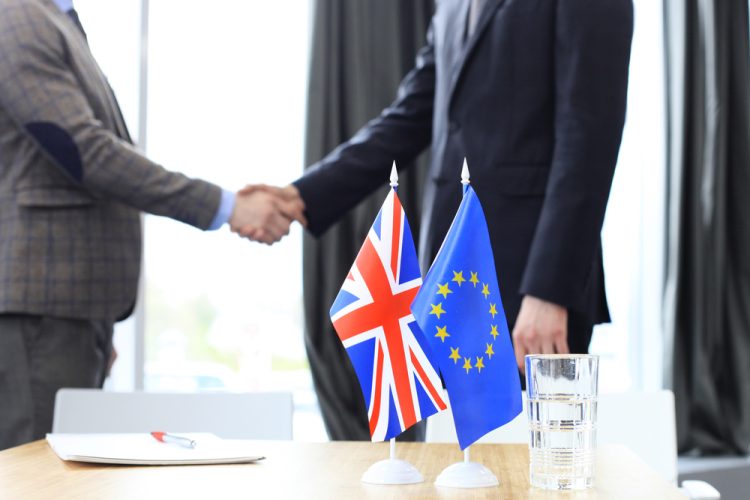
The Department for Environment, Food and Rural Affairs (Defra) is urging UK food and farming businesses to begin preparing for a new agri-food trade deal with the European Union (EU) aimed at cutting red tape, lowering costs and boosting exports. The proposed Sanitary and Phytosanitary (SPS) agreement aims to make trade with the UK’s largest market “easier, cheaper and quicker”, helping exporters regain lost ground and improving supply chain efficiency for importers.
The government is targeting a mid-2027 start date and has launched a six-week Call for Information to help businesses prepare.
Since 2018, UK exports of food and agricultural products to the EU have fallen by 22 per cent, equivalent to almost £4 billion in real terms. The government says the agreement could remove administrative barriers that have slowed shipments and increased costs for food and farming businesses since Brexit.
Ministers say reducing checks and paperwork could allow goods to move faster across borders, helping fresh produce reach supermarket shelves more quickly. This comes as scrutiny of the UK’s border systems continues, with recent data showing that nearly one in five flagged food imports bypass Dover biosecurity checks.
Government aims to cut trade barriers
Environment Secretary Emma Reynolds said the agreement would deliver tangible benefits for UK businesses.
We are resetting our relationship with the EU, our closest and largest trading partner, to make trade easier and cheaper, and deliver tangible benefits for British businesses.
We are talking about real businesses, real employers: the Somerset cheesemaker with export trade halved, the Welsh shellfish trader turning down orders because their catch isn’t fresh by the time the paperwork is done, the Scottish farmer who can no longer sell seed potatoes to customers they’ve supplied for decades.
By reducing delays and unnecessary paperwork, this deal will help keep shelves stocked, protect jobs and put downward pressure on food price inflation for families across the country. British businesses deserve better and we will work hand-in-hand with them to ensure this deal is a success.”
The agreement would also simplify and reduce costs for moving most agri-food goods between Great Britain and Northern Ireland, helping protect consumer choice while strengthening the UK internal market.
Business and Trade Secretary Peter Kyle added:
More great British produce will be on European tables thanks to this agreement which will reduce barriers for exporters and create new opportunities for farmers and businesses across all parts of the UK.
By reducing paperwork for these exports, this deal will ensure our world leading food and drink can reach customers all around Europe easier than ever before.
To help preparations, the government has today launched a six-week Call for Information to understand how it can best support businesses to make the most of this opportunity.”
Industry welcomes progress on UK–EU trade
Industry has welcomed progress on improving the UK–EU trading relationship.
Bas Padberg, managing director at Arla Foods UK, said:
The progress being made on reducing friction in the UK–EU trading relationship will be good news for Arla and our farmer owners, as well as for consumers, for food security, and for growing exports into Europe.
Making sure these changes deliver the maximum benefit for everyone is vitally important, which is why we strongly welcome government’s commitment to work with businesses and other stakeholders on getting the practical details right.”
Businesses urged to prepare now
The government says the agreement could remove several export costs currently faced by agri-food businesses, including Export Health Certificates costing up to £200, phytosanitary certificates costing around £25 plus inspection fees of at least £127.60, and organic certificates averaging £35.
Other charges such as Port Health Authority identity checks and sampling fees – which can add around £1,200 to a cheese shipment, £1,400 to salmon exports, £440 to apples and £1,200 to beef – could also be reduced.
Under the proposed agreement, UK businesses involved in the production or processing of plants, food, animals and animal products would align with EU rules. This requirement would apply to domestic producers as well as companies trading with global markets, meaning some businesses that do not currently export to the EU may still need to adapt to new regulatory requirements.
While negotiations continue, businesses must continue to follow existing trading requirements, including compliance with the Windsor Framework.
Defra is encouraging companies to prepare by engaging with trade associations, reviewing their supply chains, signing up to Defra email alerts and responding to the Call for Information. Further guidance will be published as negotiations progress.
Source: newfoodmagazine.com