EU agrees ban on dozens of meaty names for plant-based foods

EU negotiators agree restrictions on animal-related names for plant-based foods, preserving “burger” and “sausage” but banning dozens of others.
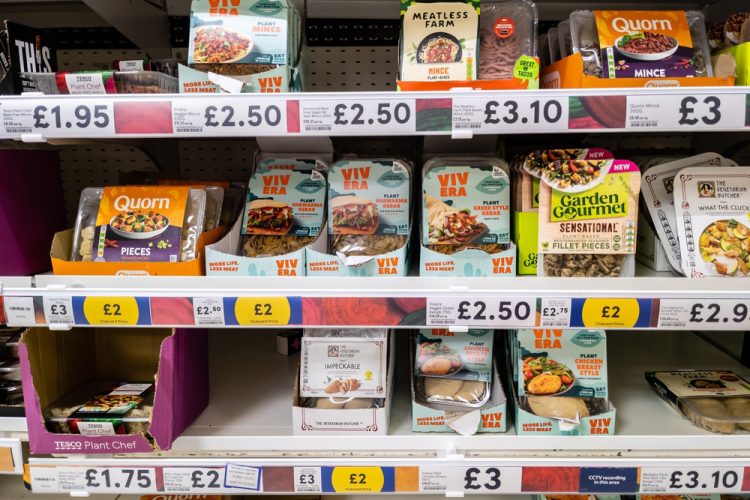
The European Union (EU) has agreed to ban dozens of animal-associated names for plant-based foods, while allowing widely used terms such as “burger”, “sausage” and “nuggets” to remain on labels.
EU negotiators reached the decision late on 5 March in Brussels after trilogue talks between the European Commission, the European Parliament and the Council of the European Union. If EU ministers and the Parliament approve the deal, the rules will introduce new limits on how plant-based alternatives can be described across the bloc.
The agreement prohibits 31 animal-associated names and cuts for plant-based products, including “beef”, “pork”, “chicken”, “breast”, “thigh” and “bacon”. During the final stage of negotiations, lawmakers also added “steak” and “liver” to the restricted list.
However, highly debated format-based names – including “burger”, “sausage” and “nuggets” – will remain permitted, provided products are clearly labelled as plant-based. The compromise reflects concerns among some agricultural representatives about protecting traditional meat terminology.
Céline Imart, a French MEP who proposed the amendment banning certain meat-related names, welcomed the outcome as “an undeniable success for our livestock farmers”.
Imart added:
The agreement reached today recognises the value of livestock farmers’ work and protects their products, fruits of unique know-how, against a form of unfair competition.”
The rules are also expected to extend to emerging novel foods, including products developed through cellular agriculture, although such products are not yet widely available on the EU market. A three-year transition period will apply once the legislation enters into force, allowing manufacturers time to use existing packaging and adapt their labelling.
Industry and campaigners raise concerns
The debate over plant-based terminology has been ongoing at EU level since 2019, prompting interventions from businesses, NGOs and politicians. In February 2026, more than 20 companies including Linda McCartney Foods, Cauldron, Quorn Foods and THIS™ joined the Vegetarian Society in writing to EU institutions urging policymakers to abandon the restrictions.
Some consumer research suggests shoppers are not confused by plant-based terminology. A 2020 survey by European consumer organisation BEUC found that most consumers (around 70 percent) were not concerned about the naming of veggie “burgers” or “sausages”, provided the products were clearly identifiable as vegetarian or vegan. A recent YouGov survey cited by the group found that 92 percent of UK respondents said they had never bought – or could not recall buying – a plant-based sausage or burger believing it contained meat.
Industry groups and campaigners warn the changes could increase costs and regulatory complexity for food manufacturers operating across European markets.
Jenny Canham, Public Affairs Lead at the Vegetarian Society, said:
As this long-running debate concludes, it is deeply concerning to see restrictions placed on familiar and widely understood terms used to describe plant-based foods. These descriptors have helped consumers make informed choices for decades. Limiting their use risks adding complexity where clarity already exists.
We urge Ministers to reconsider this harmful move and protect accessible plant-based terminology.”
The organisation said it will continue working with policymakers, businesses, and partners globally to ensure plant-based products remain accessible, clearly labelled, and easy to identify.
Source: newfoodmagazine.com